Highlights of the Department
Guided by the Institution’s motto of academic excellence and value-based education, the Department of Computer Applications (BCA) aims to empower young women to thrive in the rapidly evolving digital landscape. This department envisions producing competent, ethical, and socially responsible women technocrats. Our graduates pursue successful careers as software developers, system analysts, web designers, and data professionals, while many opt for higher education including MCA, MBA, and research programmes in India and abroad
The BCA programme, follows a comprehensive semester system aligned with NEP 2020. The curriculum integrates theoretical depth with hands-on practice in the Core courses of Computer Applications and the emerging technologies. Project-based learning, Internships, On-the job training and Research projects during the course ensure students graduate with industry-relevant competencies.
To enhance students’ technical skills, industry readiness and career opportunities, the Department also offers four value-added add-on courses
- Computer Literacy Programme (CLP)
- Web Designing
- Financial Accounting (Tally)
- Robotics and 3D Printing
The Department of Computer Applications (BCA) also fosters innovation and collaborative learning through its two active student clubs under TECH FUSION.
- PWC IT Club
- Robotics Club
These clubs aim to enhance technological creativity and teamwork through workshops, competitions, and hands-on projects
The department provides a robust technological ecosystem comprising state-of-the-art computer laboratories with updated systems, licensed softwares, high-speed leased-line internet, and smart classrooms equipped with ICT tools. A dedicated departmental library, e-resources, and access to the Central Library further strengthen academic support. Experienced and committed faculty members mentor students through interactive pedagogy, remedial coaching, and personalized guidance.
To bridge academia and industry, the department regularly organizes seminars, workshops, expert lectures etc. Career counselling, soft-skills training, and campus recruitment drives are facilitated through the College Placement Cell, with alumnae placed in leading companies such as TCS, Wipro, Infosys, and Accenture and Government sectors.





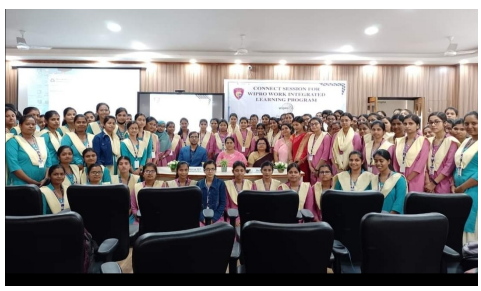
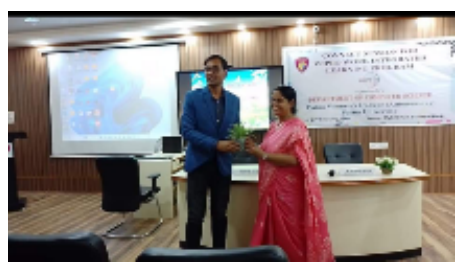


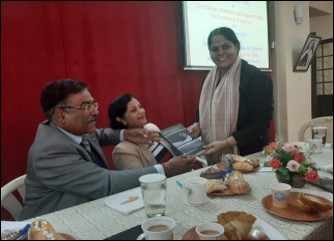

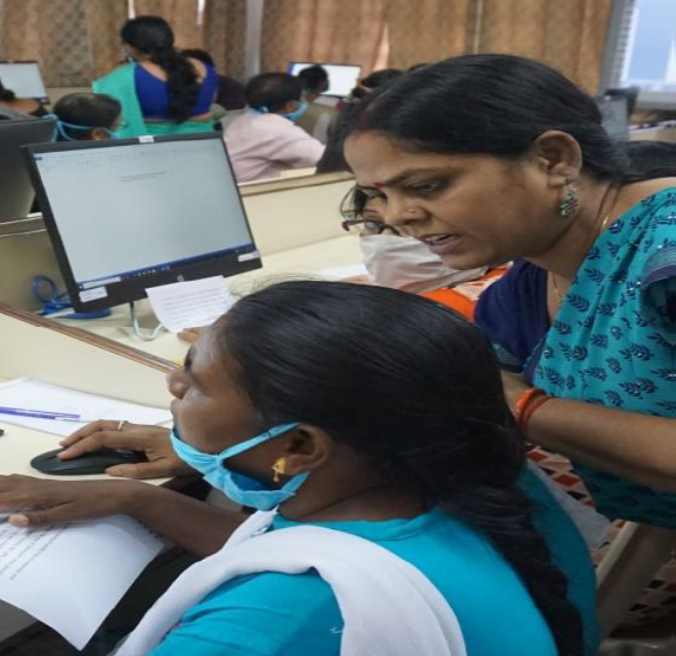
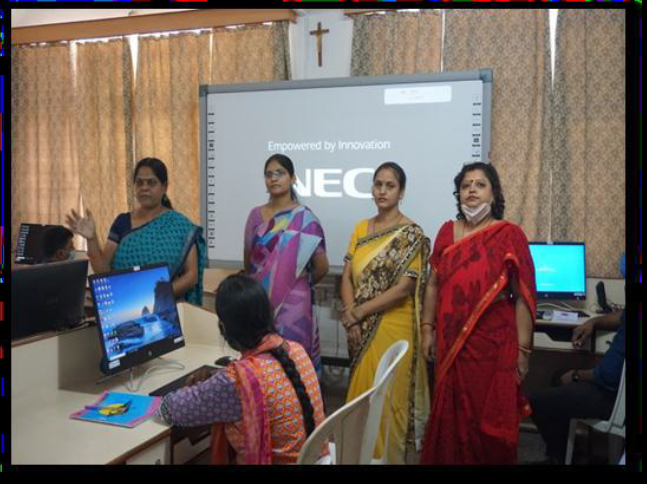
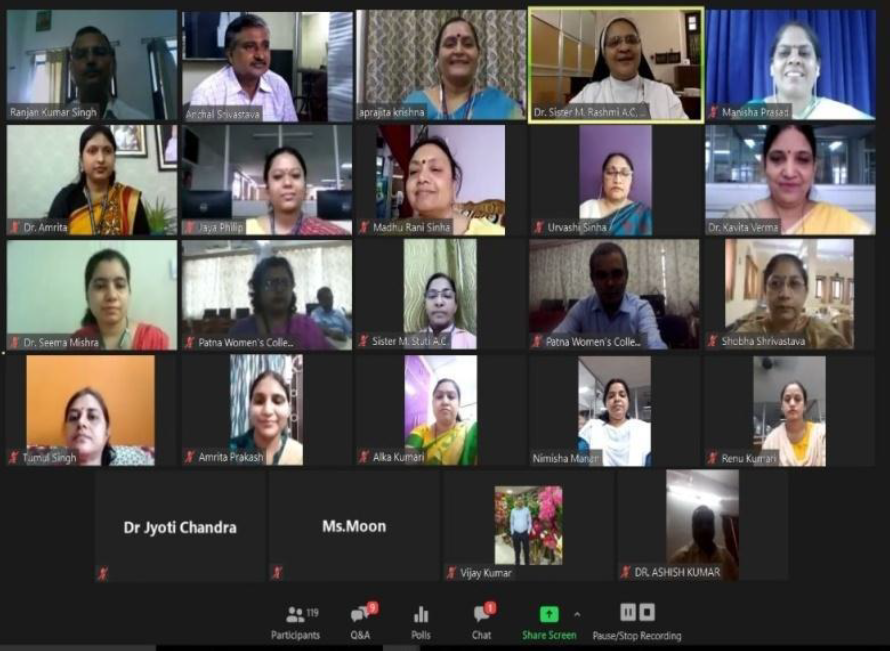
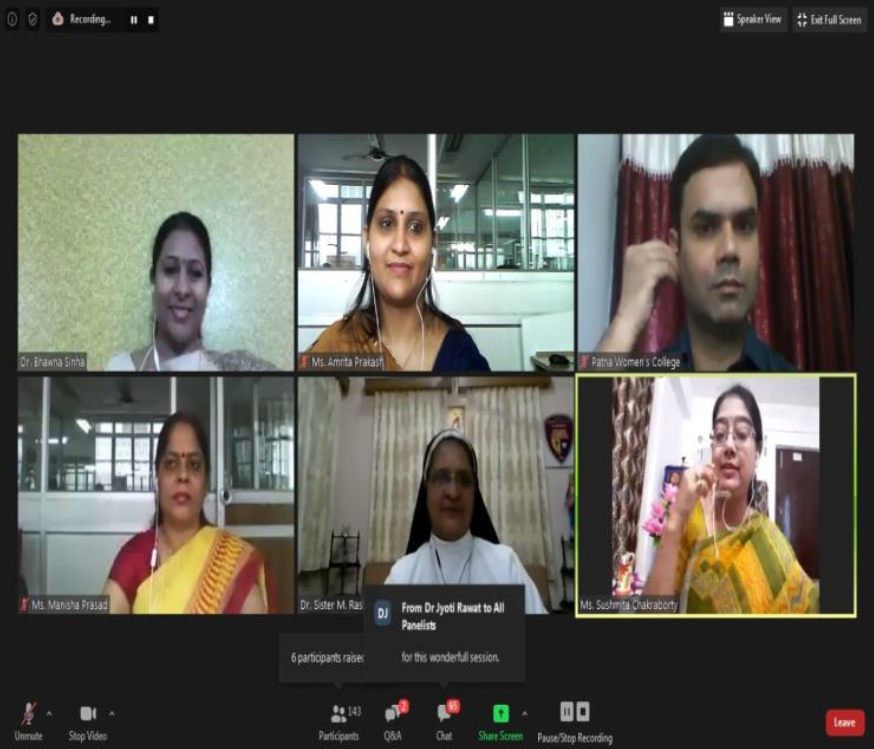
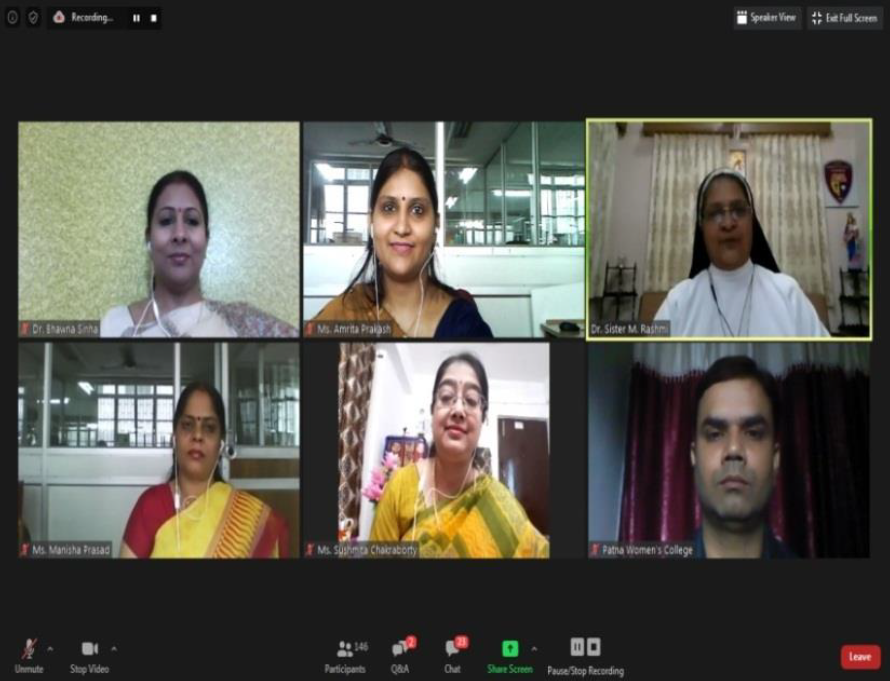
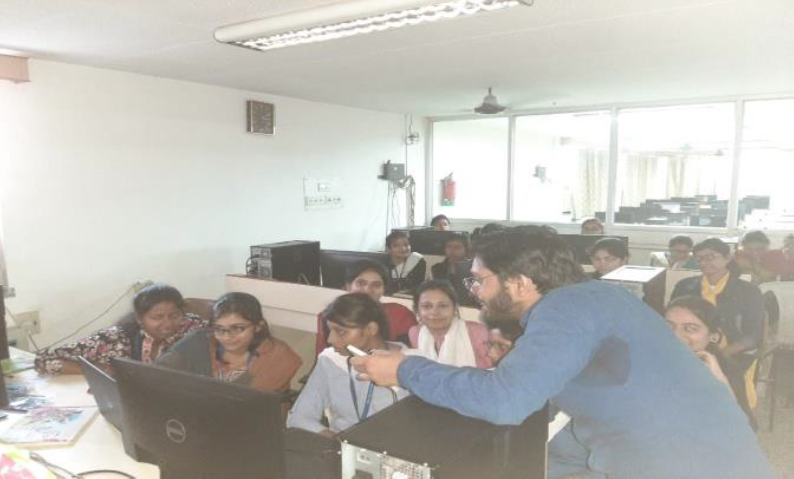
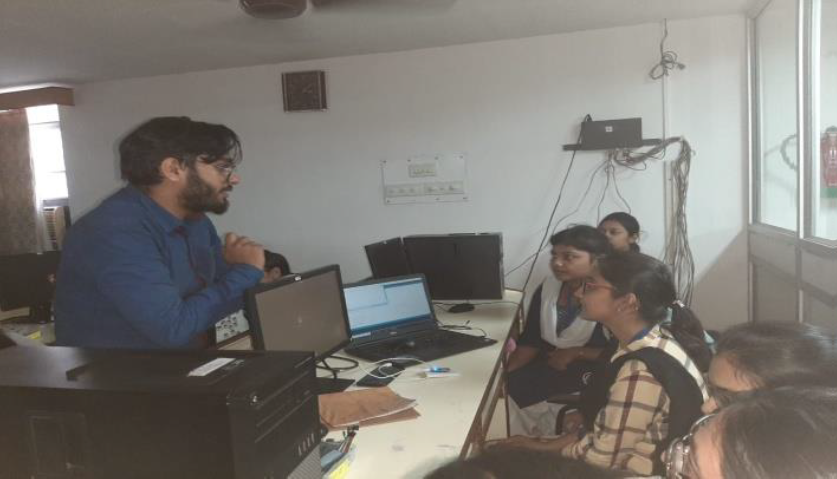
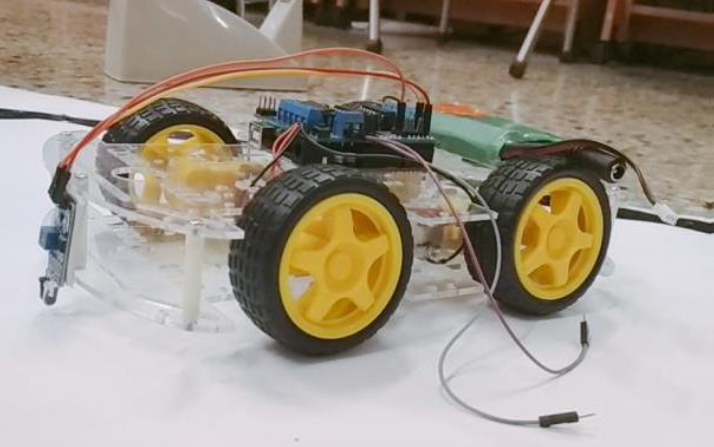
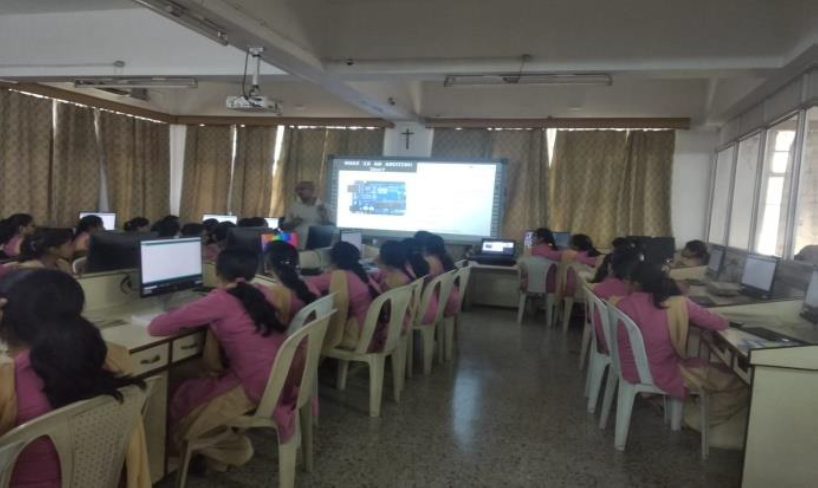
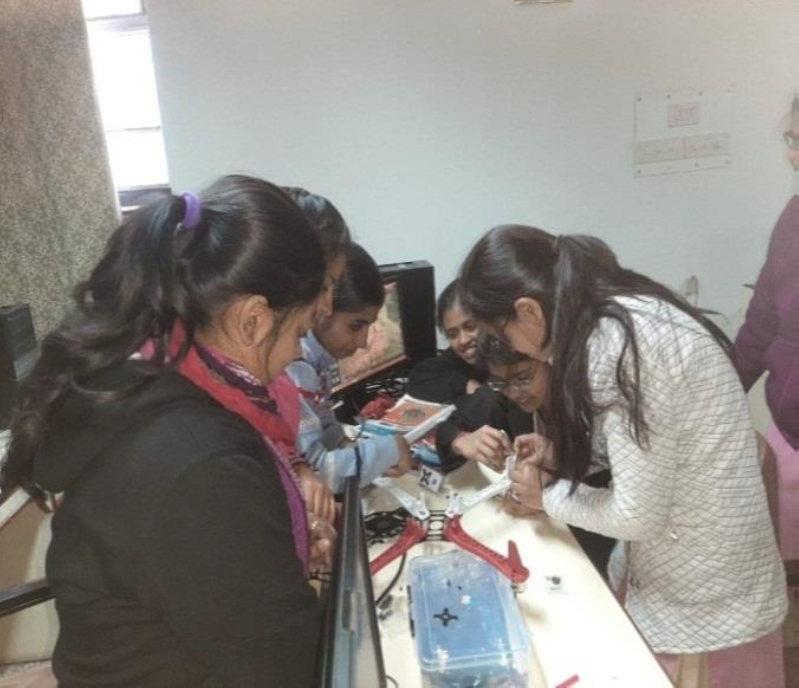
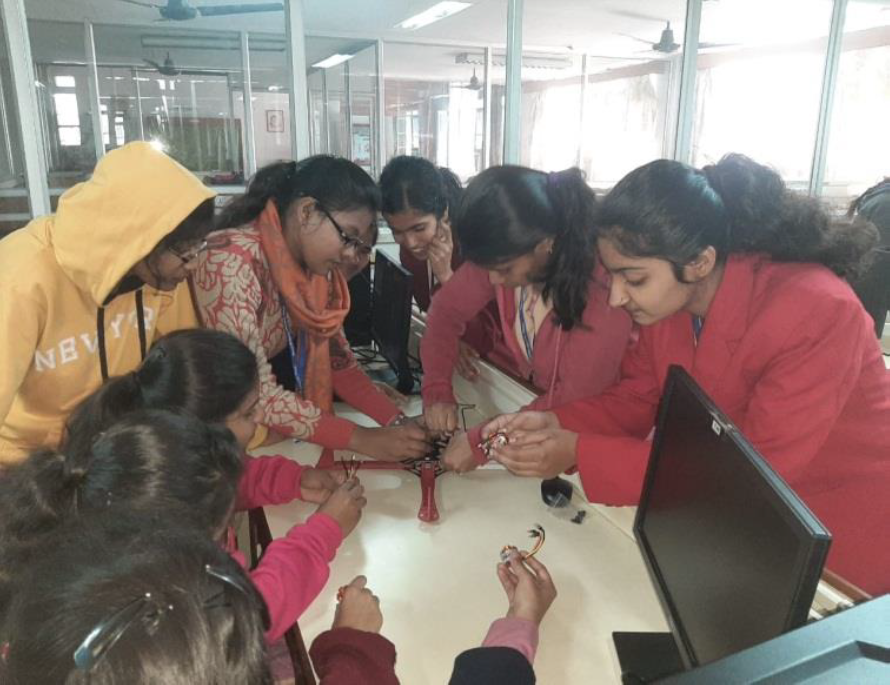
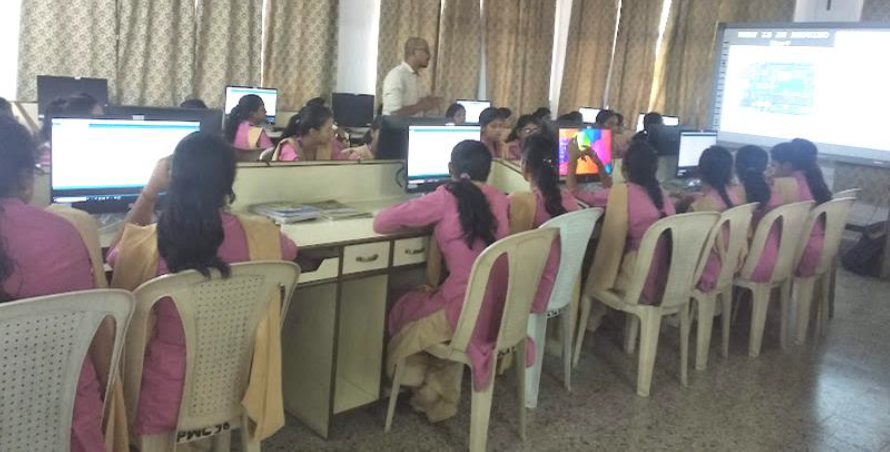

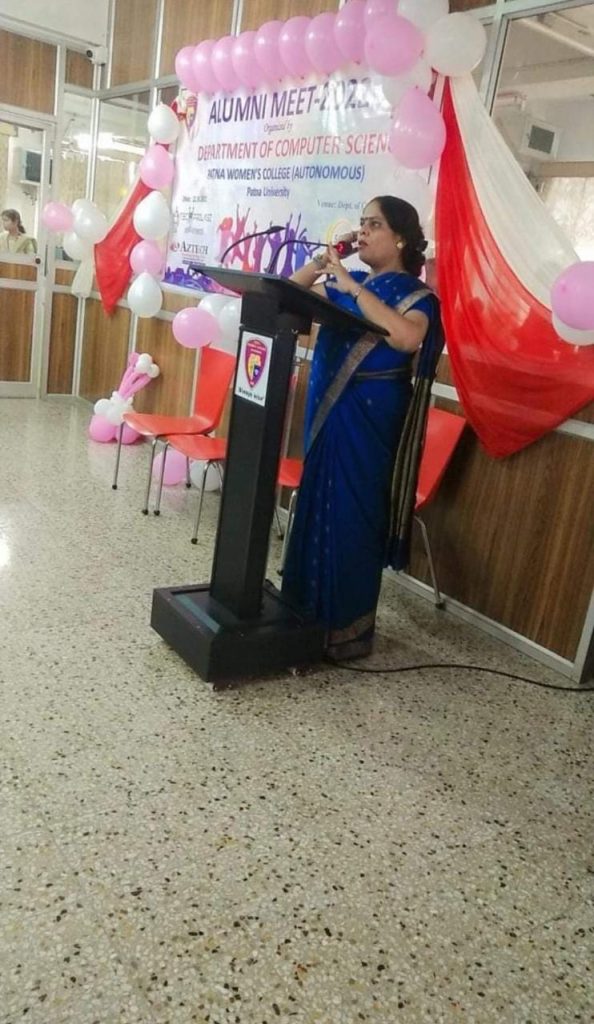
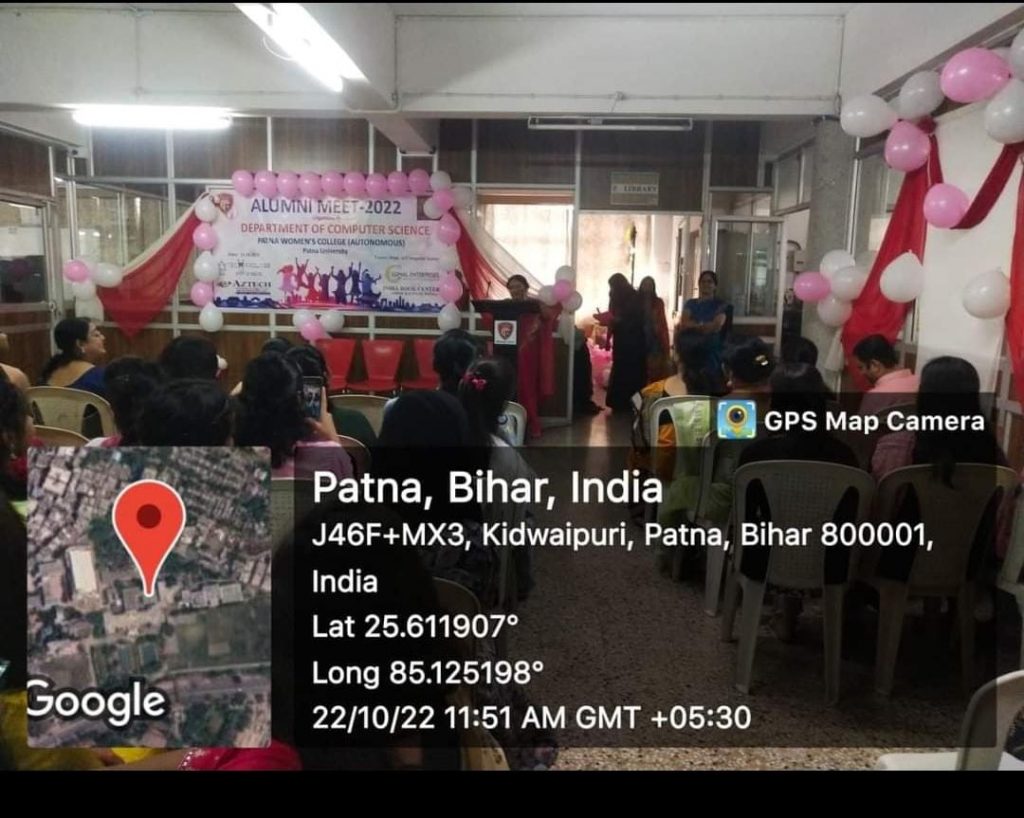

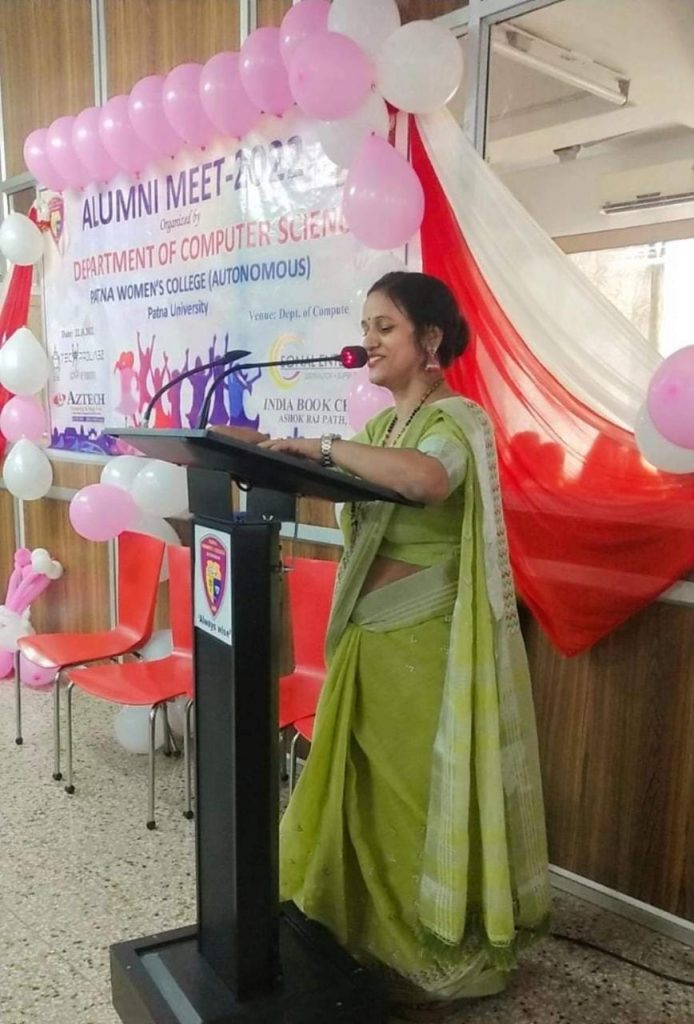

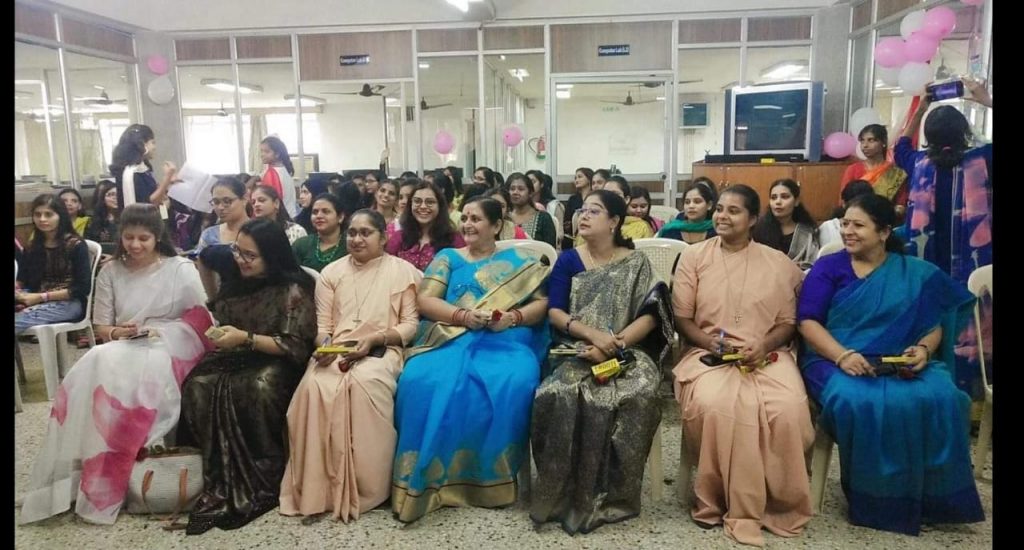

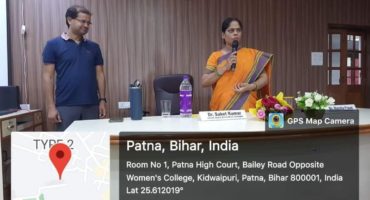
Guest lecture on the theme ``Design your success : Career and Life``
Date : 26.07.2022

Earth Day 2022
Date : 22nd April 2022

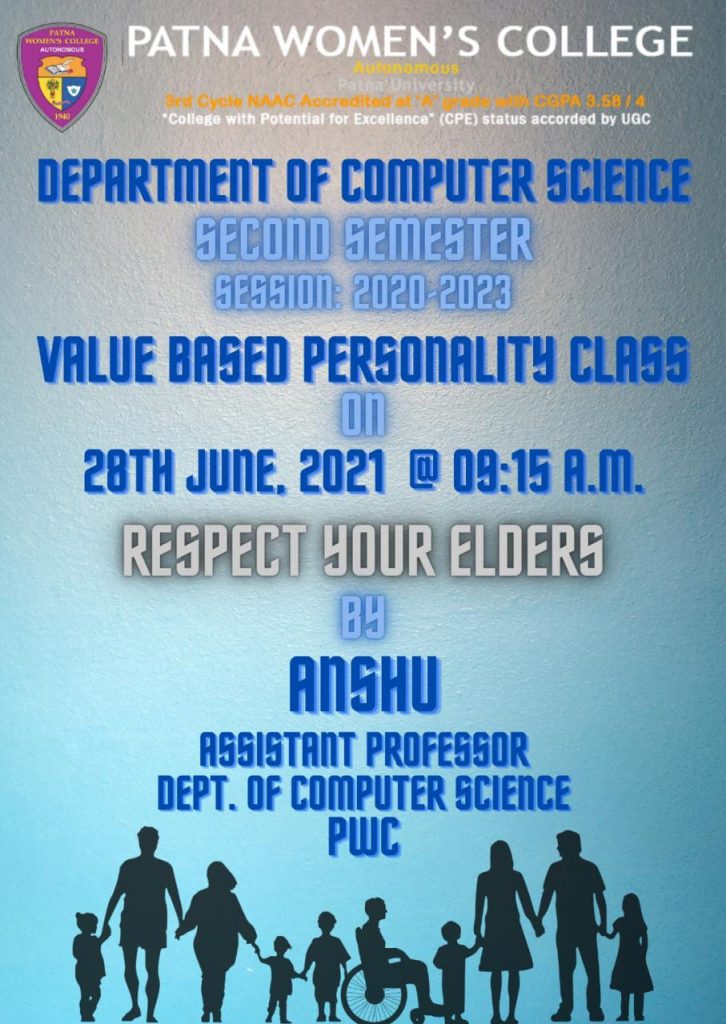
Online Parent Teacher meet & VALUE BASED PERSONALITY CLASS
Date : 30/10/21 & 25-09-21

PowerPoint presentation competition
Date : 14.08.2021.
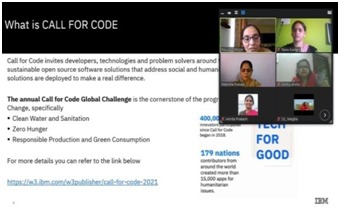
What is call for Code
Date : 14-08-2021

Flyer making competition
Date : 05-06-2022

world environment day
Session: 2020-2023

sport film competition
Date : 25-04-2021

outreach Programme
Date : 14-03-2021 to 21-03-2021
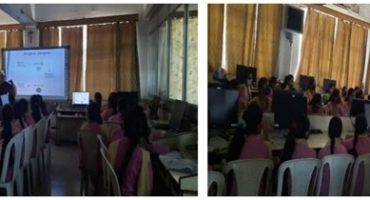
Workshop on Network Security
Date : 23.3.2021 to 27.03.2021
Hands on Training on 3D Printing
Session: 23.02.21 to18.03.21

DBT Research Project Presentation
Date : 25.02.21

Fresher’s Day Celebration
Date : 13.02.21

Guest Lecture on ‘Software Development Process’
Date : 06.02.21
Guest Lecture on ‘Technology and Startups’
Session: 31.01.21

DBT Research Project Presentation
Date : 25.02.21




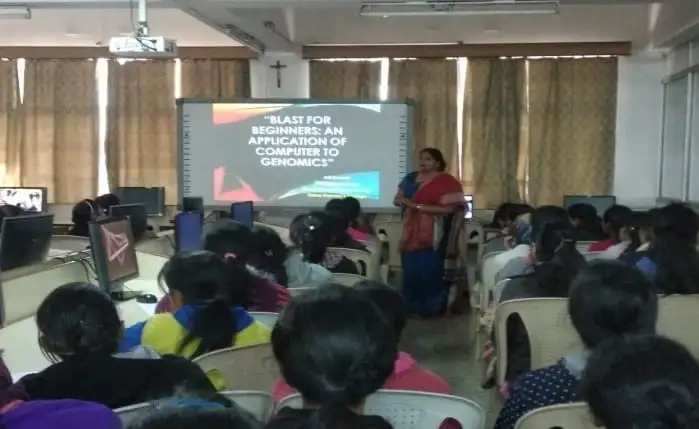
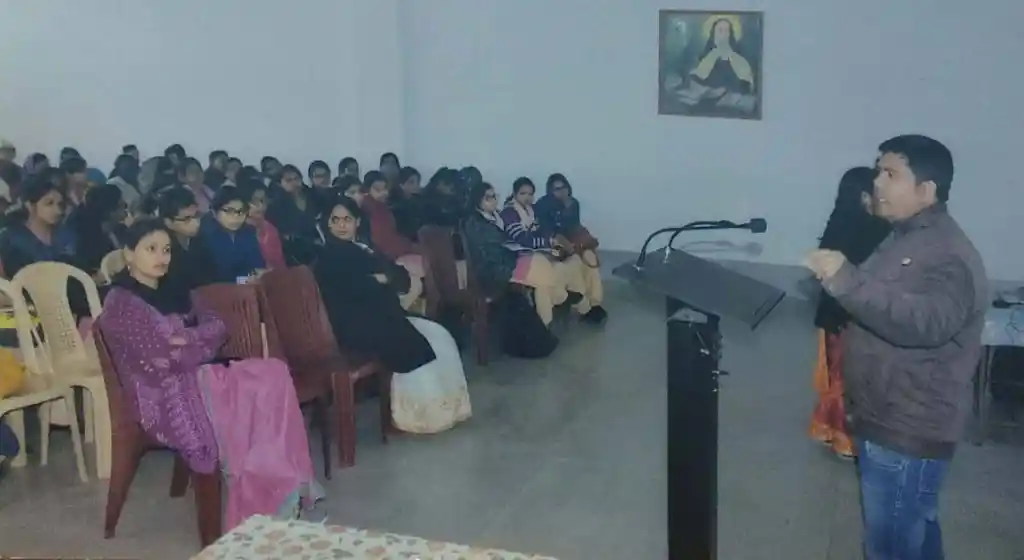

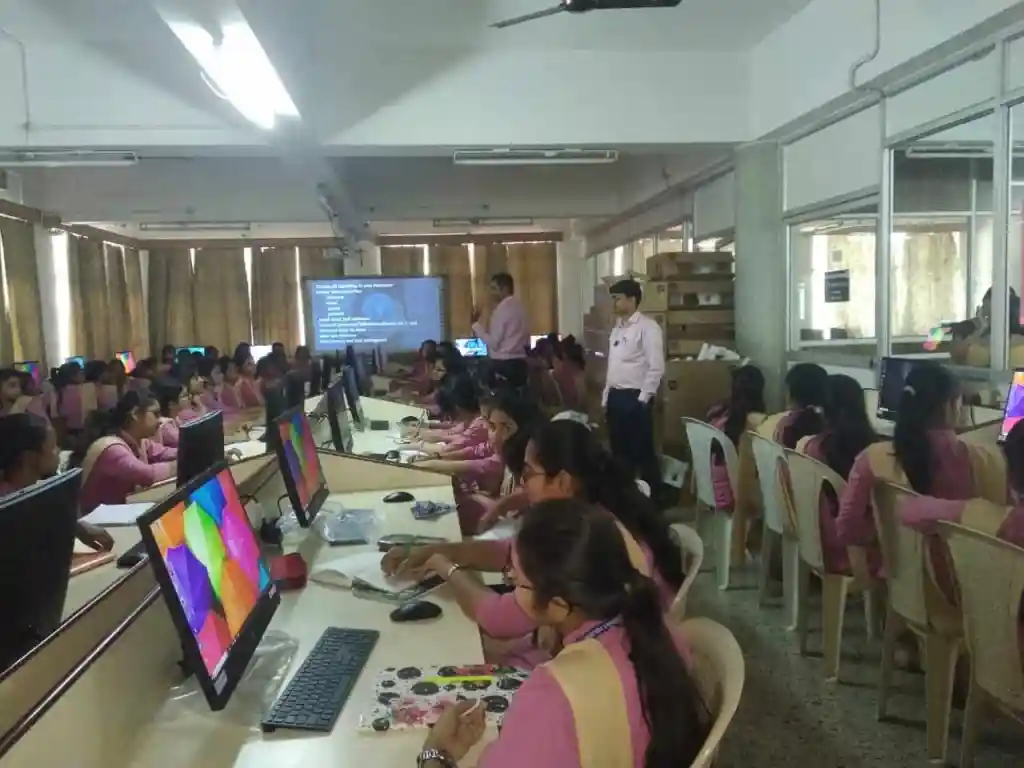
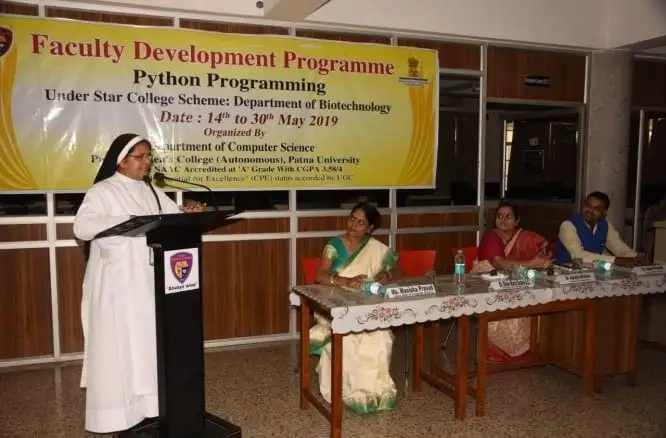
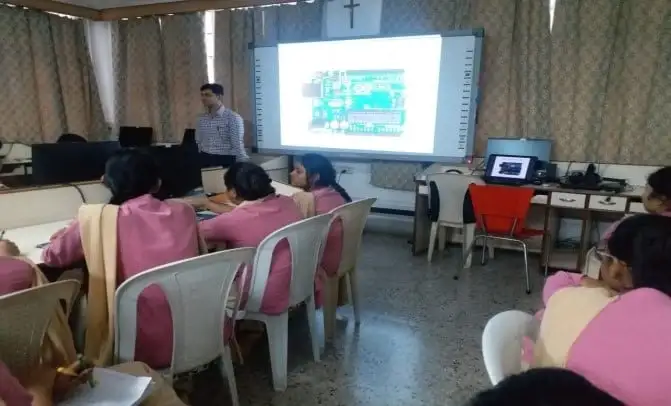
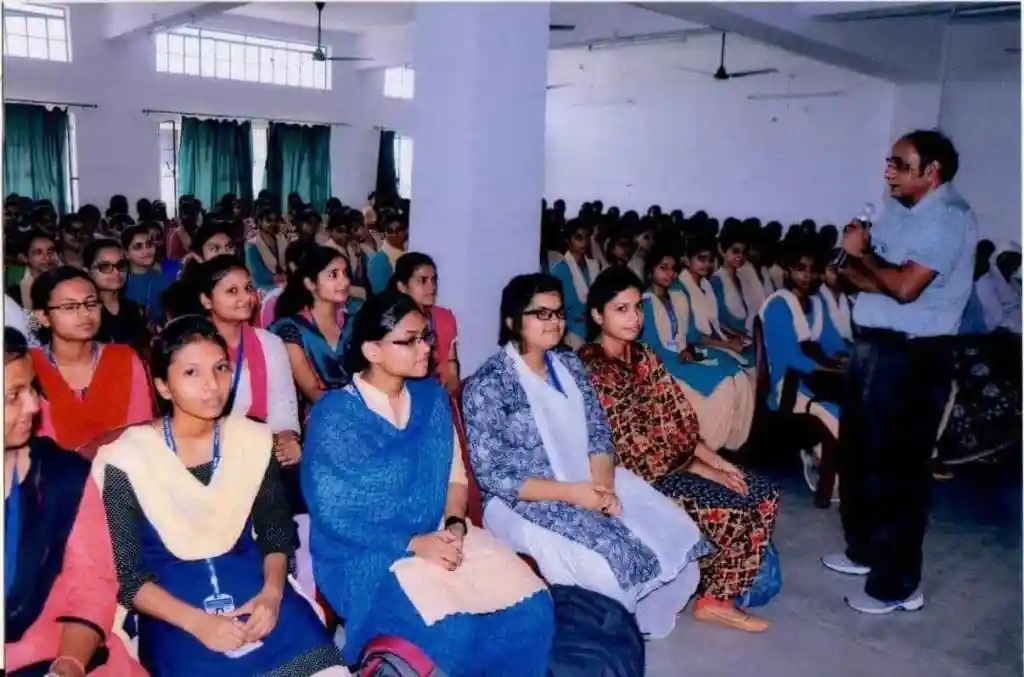
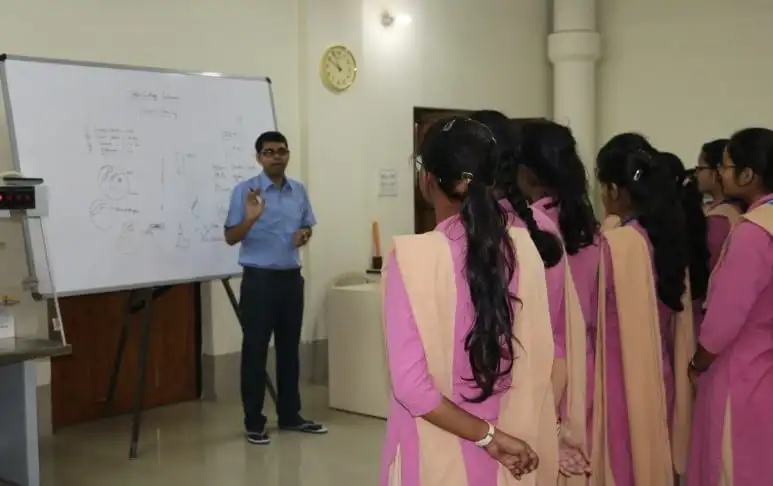
DEPARTMENT OF COMPUTER APPLICATIONS (BCA)
1. Computer Literacy Programme (CLP)
2. Web Designing
3. Financial Accounting (Tally)
4. Robotics and 3D Printing
Add On Course in Computer Literacy Programme (CLP) (College Level) Regulations of the Course
- The Course covers 6 Credits (60 Hrs)
- Each credit covers a period of 10 hrs
- All credits are necessary for completion of the course
Program Specific Outcome
PSO1: Understand the core concepts and capabilities of Information and Computer technology.
PSO2: Demonstrate proficiency in usage of productivity software for professional pursuits.
PSO3: Develop critical thinking and logical skills through computer programming.
PSO4: Learn principles of Internet, Cyber security and Cyberlaws.
Course Outcome
Module I
CO1: Understand the basic concepts of Computer.
CO2: Learn the fundamentals of hardware and software.
CO3: Understand the need of Internet Security and Cyber Laws.
CO4: Develop programming skills and apply it to design webpages using HTML.
Module I —— 2 Credits Computer Fundamentals Web Technology
Module II
CO1: Categorize various Application Softwares according to their utility.
CO2: Use word-processor to create professional documents.
CO3: Use electronic spreadsheet software for data representation, manipulation and analysis.
CO4: Use presentation software to create interactive presentations.
Module II-2 Credits Basics of Windows Office Automation
- MS – Word
- MS – Excel
- MS – PowerPoint
Module III
CO1: Understand the core concepts of the cloud computing paradigm.
CO2: Understand the applications of Cloud computing in different domains.
CO3: Create and use shareable documents in real time applications.
CO4: Use cloud based application for assessment and evaluation.
Module III – 1 Credit Cloud Computing Module IV – 1 Credit
- Project Presentation
- Assignment
- Theory
- Practical
Add On Course in Web Designing (College Level) Regulations of the Course
- The Course covers 6 Credits (60 Hrs).
- Each credit covers a period of 10 hrs.
- All credits are necessary for completion of the course
Program Specific Outcome
After the completion of the course, the students will be able to:
PSO1. Learn the fundamental languages and markups for front end web programming.
PSO2. Learn complex web topics including responsive web design and server technology
PSO3. Analyse and devise multiple solutions to the web development process using alternate approaches
PSO4. Design, develop and host a working and aesthetic website
Course Outcomes: Module – I : 3 Credits
CO1. Understand the basic concepts of web components.
CO2. Design a basic webpage using HTML.
CO3. Apply CSS Styles to enhance the visual effects of a Web page.
CO4. Learn the programming concepts of Javascript. 1. HTML 2. CSS 3. JAVA Script 4. Client Side Validation using JavaScript
Module –II : 1 Credits
CO1. Apply the concepts of HTML, CSS, Java Script with AJAX to create interactive web pages.
CO 2. Design dynamic web pages using jQuery.
CO3. Learn to embed social media content into web pages.
CO4. Develop device responsive websites using Bootstrap library functions.
1.Introduction of jQuery& AJAX
2.Bootstrap
Module-III : 1 Credit
CO1. Understand the basic concepts of Web Hosting and its types.
CO2. Learn to establish connectivity between user interface and databases of a website.
CO3. Design a comprehensive web based application using client side and server side web technologies.
CO4. Learn to host the website.
1. Introduction to Web Hosting
2. Advance Technologies in Website Development
3. Introduction to Database
Module –IV: 1 Credit
- Project Presentation
- Assignment
- Theory
- Practical
Add On Course in Financial Accounting (Tally) (College Level)
Regulations of the Course
• The Course covers 6 Credits (60 Hrs).
• Each credit covers a period of 10 hrs.
• All credits are necessary for completion of the course Program Specific Outcome
PSO1: Understand various concepts, methods and approaches to analyze complex business issues and basic Financial Accounting terminologies.
PSO2: Apply the Financial accounting concepts for managing daily transactions in a business using accounting software.
PSO3 : Apply the concepts of Financial Accounting to record transactions and preparation of Reports for ascertaining the financial position of various firms
PSO4: Assess the internal & external factors which have an impact in the business environment, institutions & the application of suitable strategies in modern business.
Course Outcomes Module I
CO1: Learn to record daily accounting transactions in books of accounting in chronological order
CO2: Classify the records to generate primary reports.
CO3: Create Company by setting up of accounts for entries to be done.
CO4: Explore and configure different features for setting up of Accounts.
Module I : 2 Credits
- Basic Accounting
- Company Creation
- Setting Up Accounts
Module II
CO1: Create Ledgers of various accounts for voucher entry.
CO2: Learn to manage the salary of employees through Payroll management, budget and multi-currencies settings.
CO3: Implement Inventory management settings to generate corresponding primary reports.
CO4: Learn to generate secondary reports based on various primary reports.
Module II : 2 Credits
- Groups in tally
- Ledger In tally
- Create Stock Group, Inventory Creation
- Reporting In Tally
Module III
CO1:Describe about different financial accounting software.
CO2:Classify and illustrate the working principle of various accounting software such as SAP and ERP
CO3: Define Application of entire financial accounting concepts in Tally ERP9 software.
CO4: Apply the financial software efficiently and can deal with the changes in modern scenario
Module III : 1 Credit Tally Software Packages
- Introduction of SAP
- Introduction of ERP9
- Difference between ERP 9 and SAP
- Tally with GST
Module IV : 1 Credit
- Assignments
- Project
- Theory
- Practical Exam
Add-on Course in Robotics and 3D Printing (College Level) Regulations of the Course
- The Course covers 6 Credits (60 Hrs).
- Each credit covers a period of 10 hrs.
- All credits are necessary for completion of the course
Program Specific Outcomes:
Upon completion of the Add-on Course the students will be able to:-: Learn fundamentals of robotics to build robots.
PSO2: Learn basics of Microcontrollers & Microprocessors.
PSO3: Understand the structure & general components of robots.
PSO4: Analyse & device multiple solutions with robots for complex problems. Course outcomes: Upon completion of the Add-on Course the students will be able to
CO1: Understand the basic principles of Robotics.
CO2: Understand the working of Arduino with various Sensors.
CO3: Understand the use of Node MCU.
CO4: Understand the concept and working of Arduino.
Module –I : 1 credit
1. Internet of Things (IoT)
2. Arduino Module-II : 2 credits
Course outcomes: Upon completion of the Add-on Course the students will be able to
CO1: Understanding the working of Arduino.
CO2: Development of Arduino Based Projects.
CO3: Understand the working principle of various types of robots
CO4: Understand the components used in Robots. 1. Arduino based Projects:
Module-III : 2 credit
Course outcomes: Upon completion of the Add-on Course the students will be able to:
CO1: Understanding the working of Raspberry Pi.
CO2: Development of Raspberry Pi Projects.
CO3: Understand the working principle of various types of sensors with Pi and concept of 3D printing
CO4: Development of 3D printed objects.
- Raspberry Pi and its Applications
- 3D Printing
Module – IV : 1 Credit
- Project Presentation
- Assignment
- Theory Exam
- Practical Exam

Club Coordinator: Ms. Amrita Prakash Vision:
To be a leading platform that unites diverse technological disciplines, fostering innovation, collaboration, and the development of transformative solutions that address real-world challenges. Mission: To bring together tech enthusiasts, professionals, and students from various fields to collaborate, share knowledge, and build innovative solutions that combine multiple technologies. To provide continuous learning opportunities through workshops, seminars, and training sessions on cutting-edge technologies, ensuring members are equipped with the latest skills and knowledge. To cultivate an environment that encourages experimentation, creativity, and the development of new ideas, driving technological advancements and innovation.To offer hands-on experience and practical exposure to real-world tech challenges through projects, internships, and collaborations with industry partners.To build a strong, supportive community that encourages networking, mentorship, and knowledge sharing among members with diverse tech backgrounds and expertise. Objectives:
- To organize regular meetings, hackathons, and collaborative projects that encourage members to work together across different tech domains.
- To host guest lectures and panel discussions with industry experts to provide insights into the latest trends and innovations in technology.
- To create an inclusive environment where members can freely exchange ideas, learn from one another, and grow professionally.
- To establish partnerships with tech companies, startups, and academic institutions to provide members with exposure to real-world tech applications and opportunities.
- To recognize and celebrate outstanding achievements and innovative contributions within the club and the broader tech community.
Club Coordinator: Ms. Renu Kumari Vision
To empower women students of Patna Women’s College with cutting-edge technological skills, innovative thinking, and technical leadership in the fields of robotics and additive manufacturing, fostering them to become successful innovators and tech leaders contributing to global technological advancements. Mission The Robotics Club brings together students to blend hardware, software, and mechanical design, focusing on technologies like microcontrollers and AI. Through hands-on training, competitions, and industry connections, the club aims to spark innovation, promote ethical robotics ensuring that the development of robotic systems remains ethical and socially responsible. Objectives
- To encourage and nurture innovative robotic designs and 3D printing ideas among students.
- To support the development of functional robotic prototypes, from basic line followers to advanced AI-integrated systems.
- To host workshops for beginners to spread technical literacy and interest in automation.
- To create a sustainable, state-of-the-art technological and fabrication ecosystem within the college.
BCA NEP SYLLABUS
Semester-I
| S. No. | Name of Course | Type of Course |
| 1. | Computer System Architecture | CAPMJC101 |
| 2. | Computer Fundamentals | CAPMIC101 |
| 3. | Office Automation | CAPMDC101 |
| 4. | MIL (AEC) | AEC101 |
| 5. | Basics of Adobe Photoshop | CAPSEC101 |
| 6. | Value Added Course | VAC101 |
Semester-II
| S. No. | Name of Course | Type of Course |
| 1. | Programming Fundamentals using C | CAPMJC202 |
| 2. | Computer Organization | CAPMIC202 |
| 3. | Fundamentals of Research Methodology | CAPMDC202 |
| 4. | Environmental Science (AEC) | AEC202 |
| 5. | Basics of Arduino Programming | CAPSEC202 |
| 6. | Value Added Course | VAC202 |
Semester-III
| S. No. | Name of Course | Type of Course |
| 1. | Java Programming | CAPMJC303 |
| 2. | Operating System | CAPMJC304 |
| 3. | Programming Concepts Using C | CAPMIC303 |
| 4. | Computers in Research | CAPMDC303 |
| 5. | Disaster Risk Management (DRM) | AEC303 |
| 6. | Cyber Security | CAPSEC303 |
Semester-IV
| S. No. | Name of Course | Type of Course |
| 1. | Python Programming | CAPMJC405 |
| 2. | Data Structure | CAPMJC406 |
| 3. | Database Management System | CAPMJC407 |
| 4. | Python Programming | CAPMIC404 |
| 5. | Ability Enhancing Course (Social Service/ NSS/NCC) | AEC404 |
Semester-V
| S. No. | Name of Course | Type of Course |
| 1. | Internet Technologies | CAPMJC508 |
| 2. | Software Engineering | CAPMJC509 |
| 3. | Database Management System | CAPMIC505 |
| 4. | Computer Networks | CAPMIC506 |
| 5. | Internship | CAPINT501 |
Semester-VI
| S. No. | Name of Course | Type of Course |
| 1. | Computer Networks | CAPMJC610 |
| 2. | Artificial Intelligence | CAPMJC611 |
| 3. | On-the-Job-Training (OJT) | CAPMJC612 |
| 4. | Artificial Intelligence | CAPMIC607 |
| 5. | Arduino Programming | CAPMIC608 |
Semester-VII
| S. No. | Name of Course | Type of Course |
| 1. | Theory of Computation | CAPMJC713 |
| 2. | Data Warehousing and Data Mining | CAPMJC714 |
| 3. | Mathematical Foundation | CAPMJC715 |
| 4. | Working with Adobe Photoshop | CAPMIC709 |
Semester-VIII
| S. No. | Name of Course | Type of Course |
| 1. | Data Science | CAPMJC816 |
| 2. | Computers in Research | CAPMIC810 |
| 3. | Research Project/ Dissertation | CAPRP801 |