Highlights of the Department
- Students secure good ranks in Patna University. 6-9 girls are among the top ten in Patna University Exams.
-
Organizes students activities on a regular basis under the banner of Environment Conservation Outreach (ECO) task force.
- Completed one UGC Major Project and two Minor Projects.
Teaching Staff







Non Teaching Staff
 |
Basic Information Mr. Dennis |
Activities
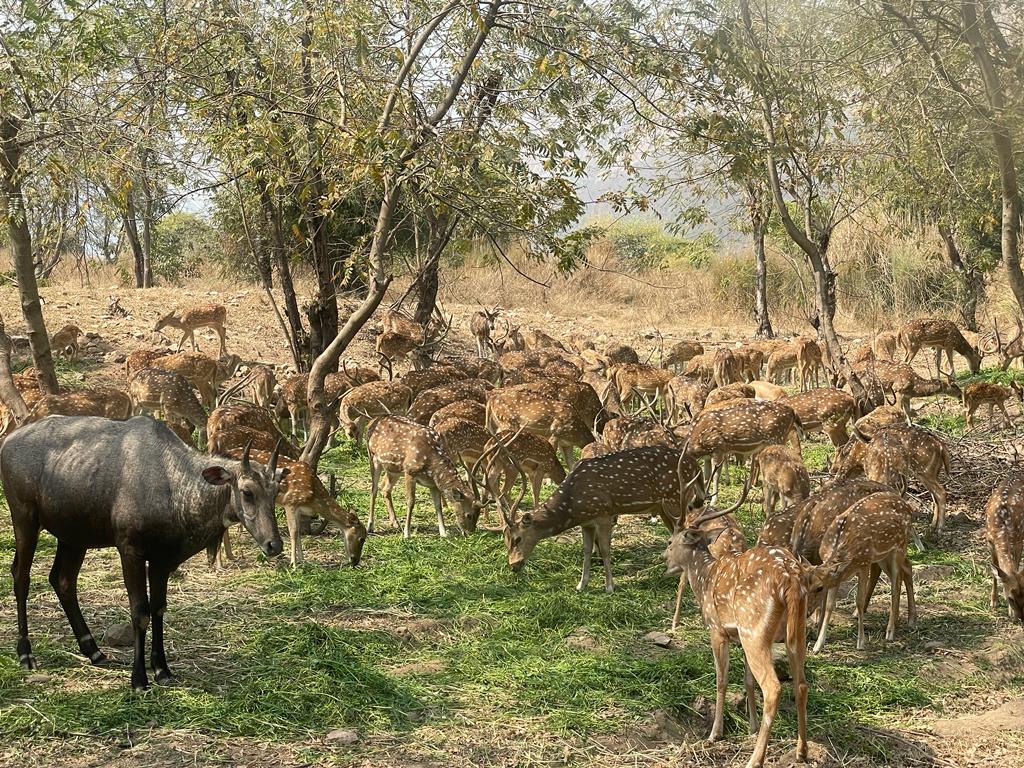
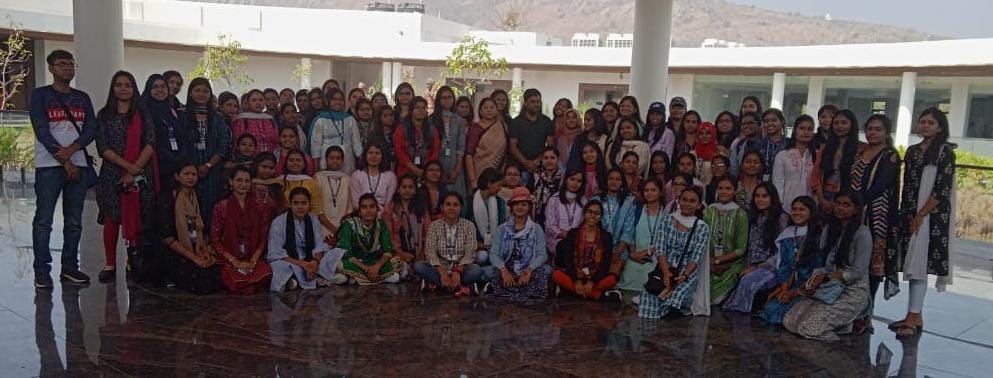
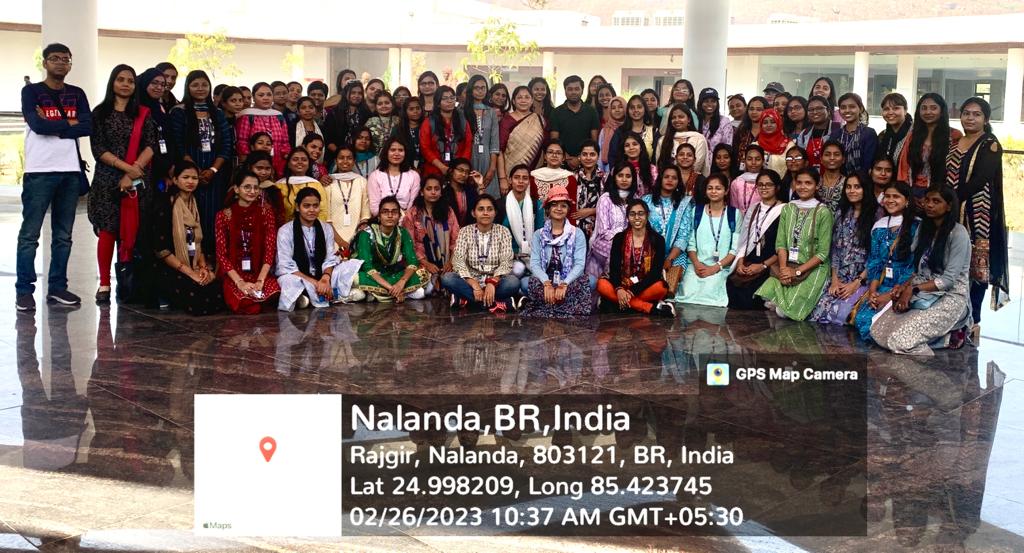
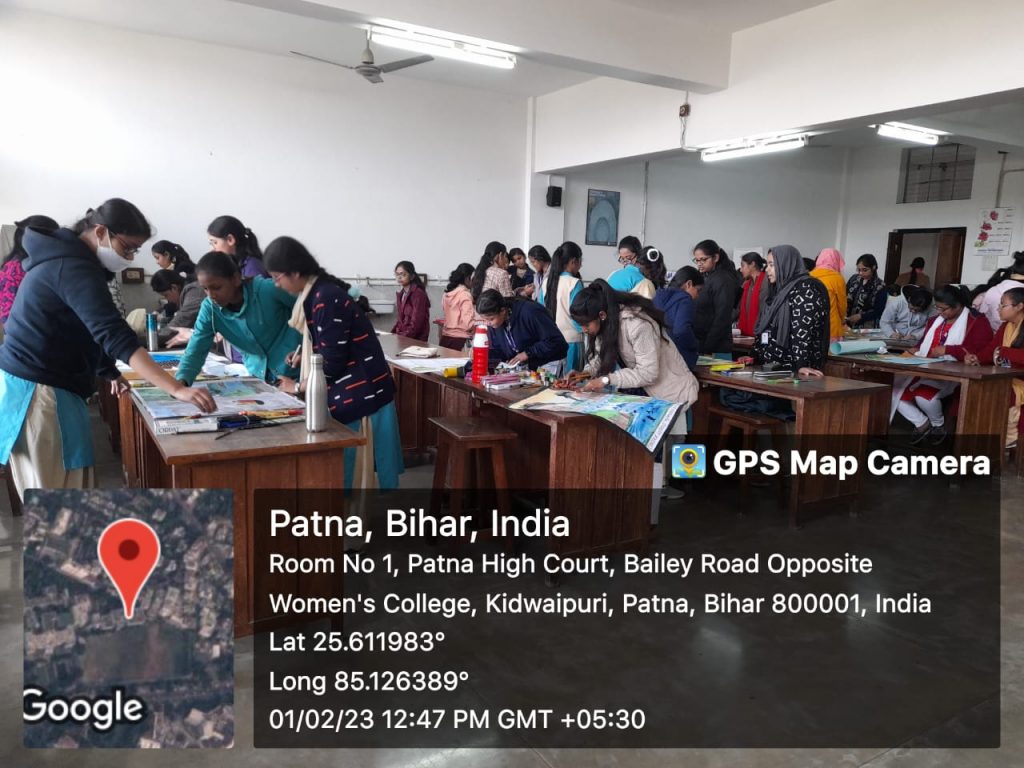
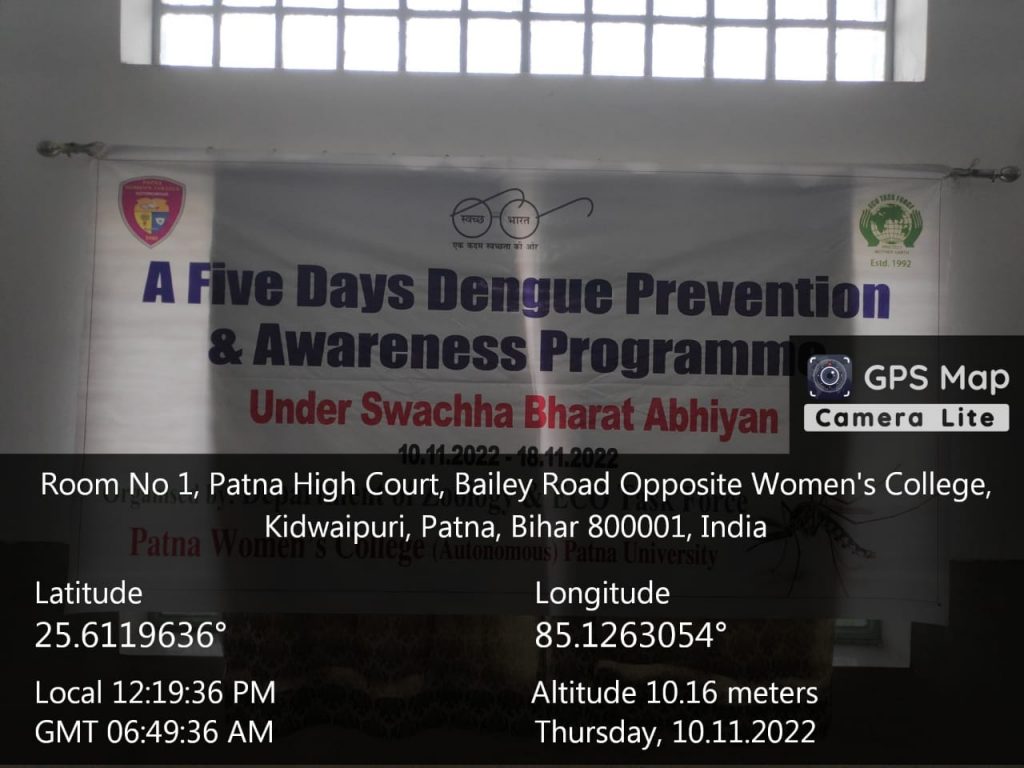
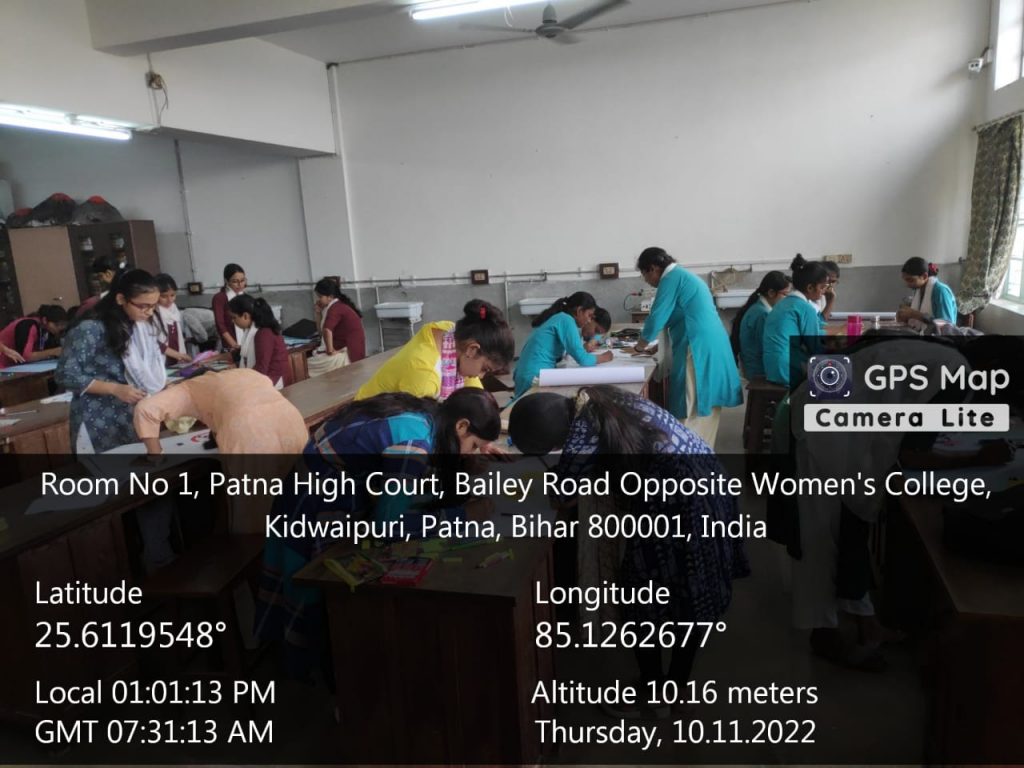
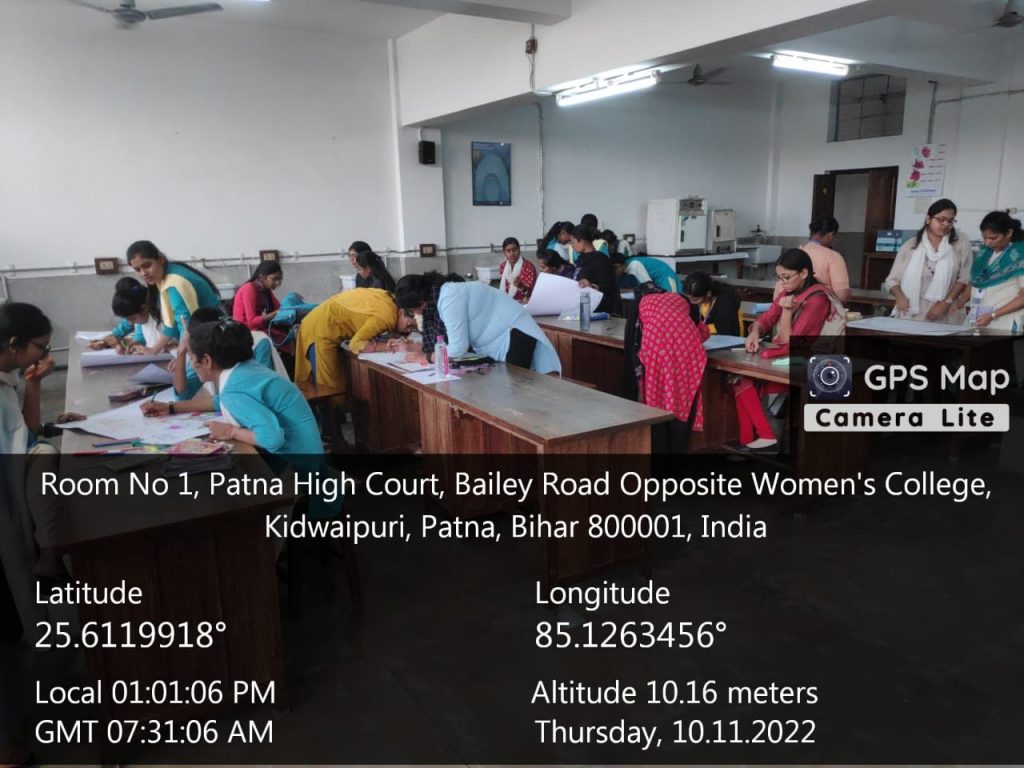
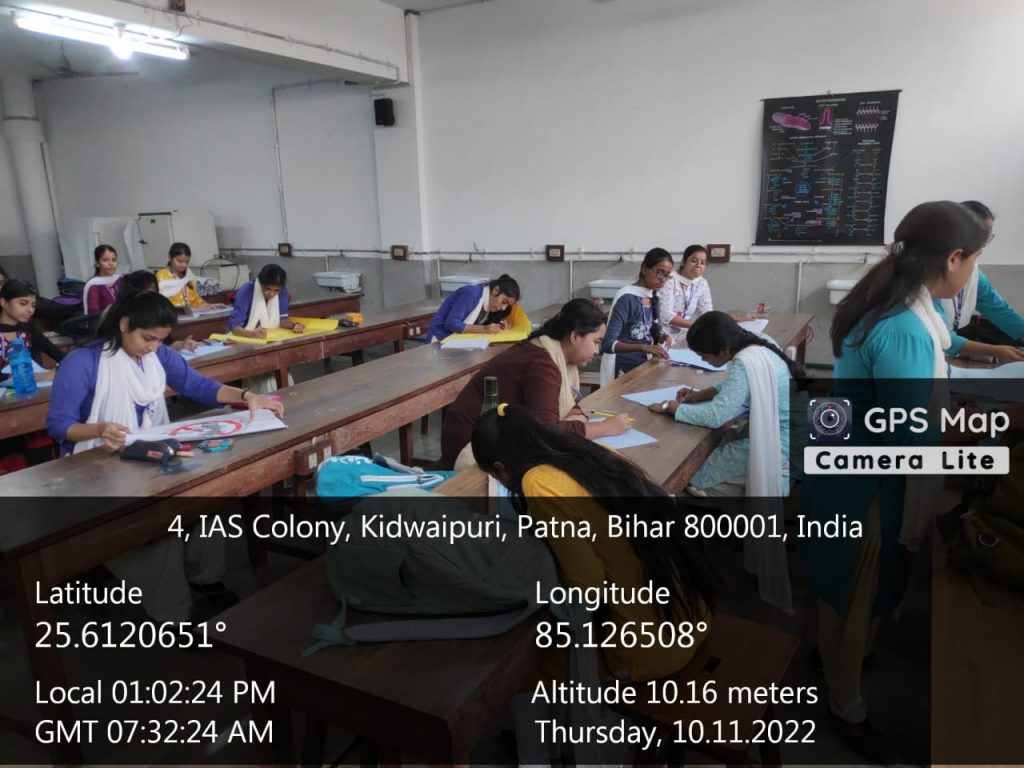
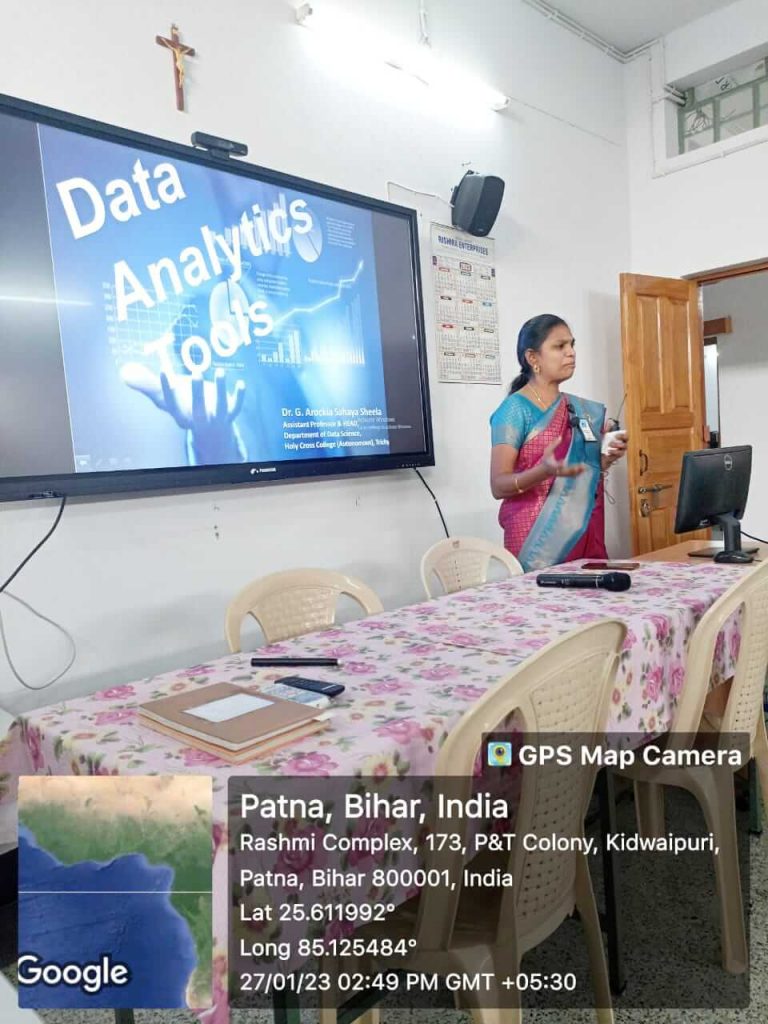
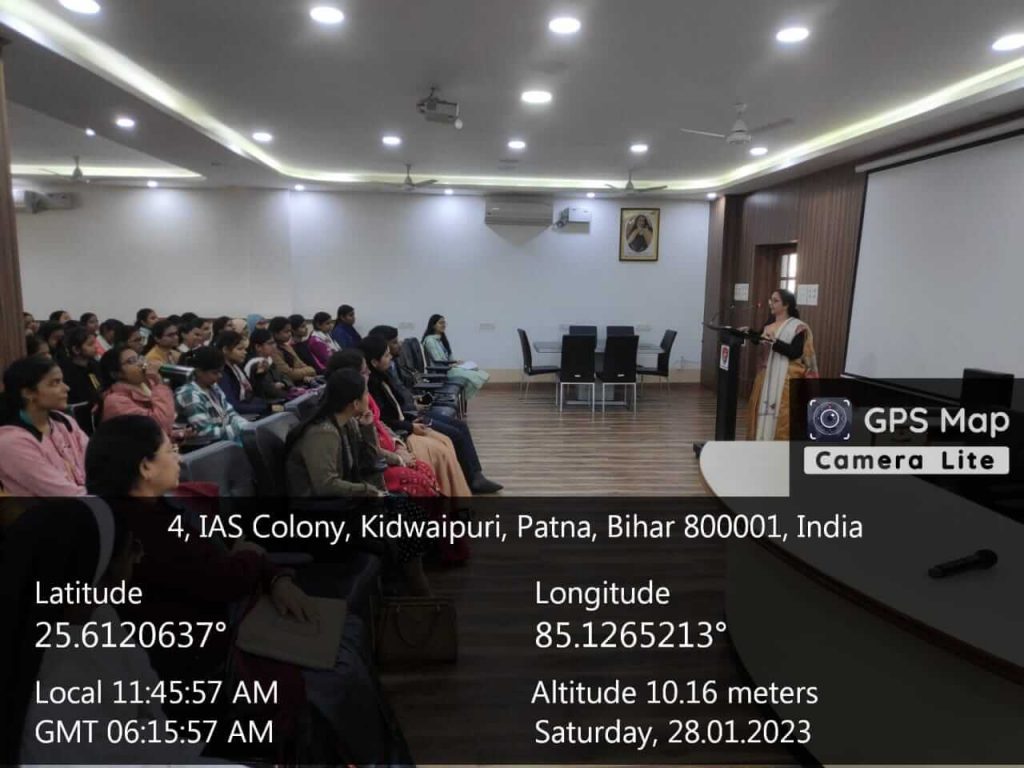
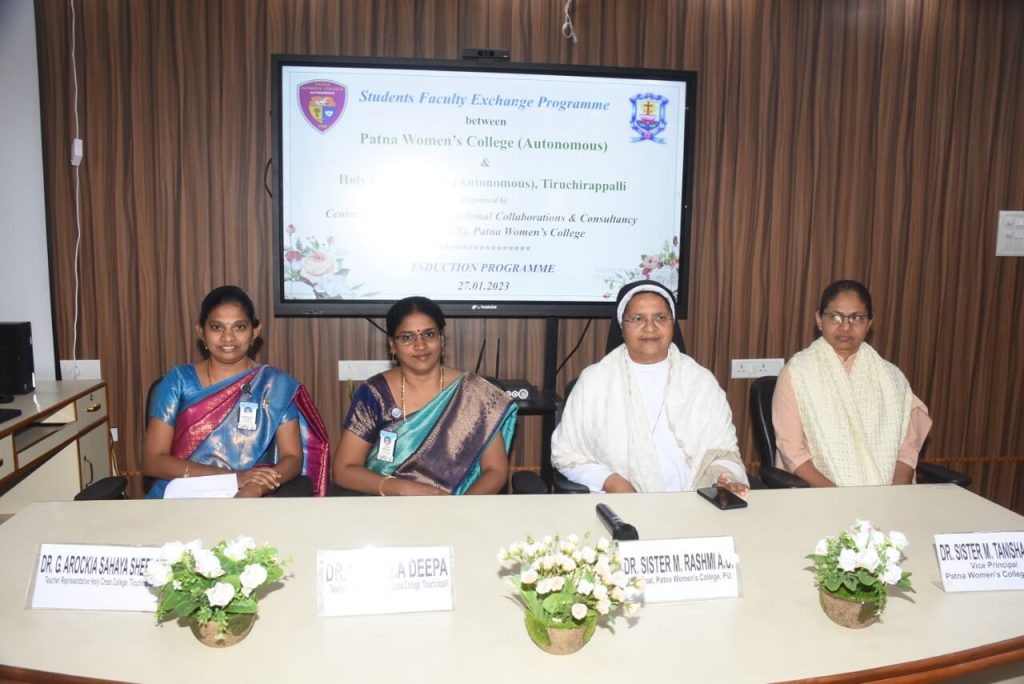
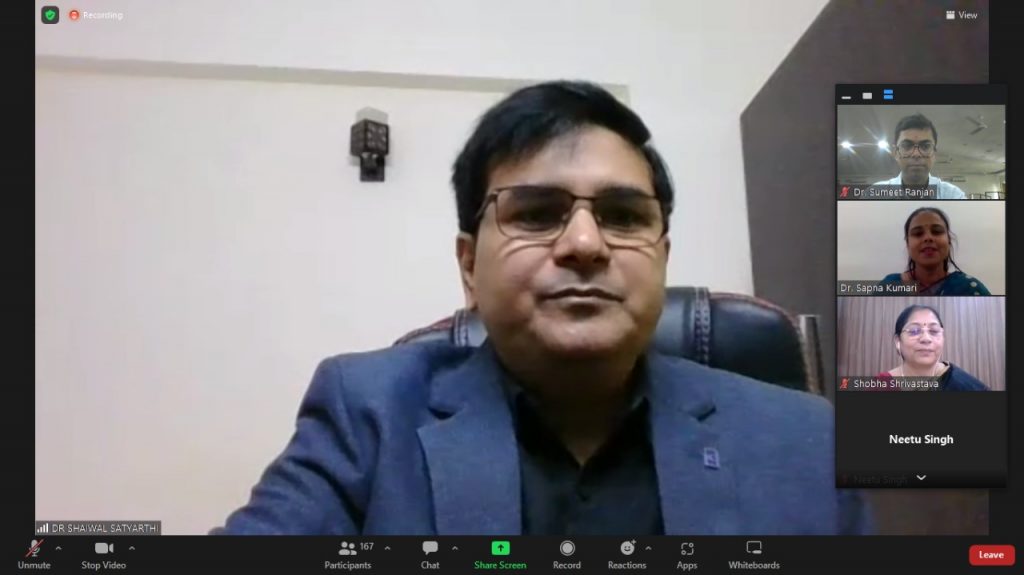
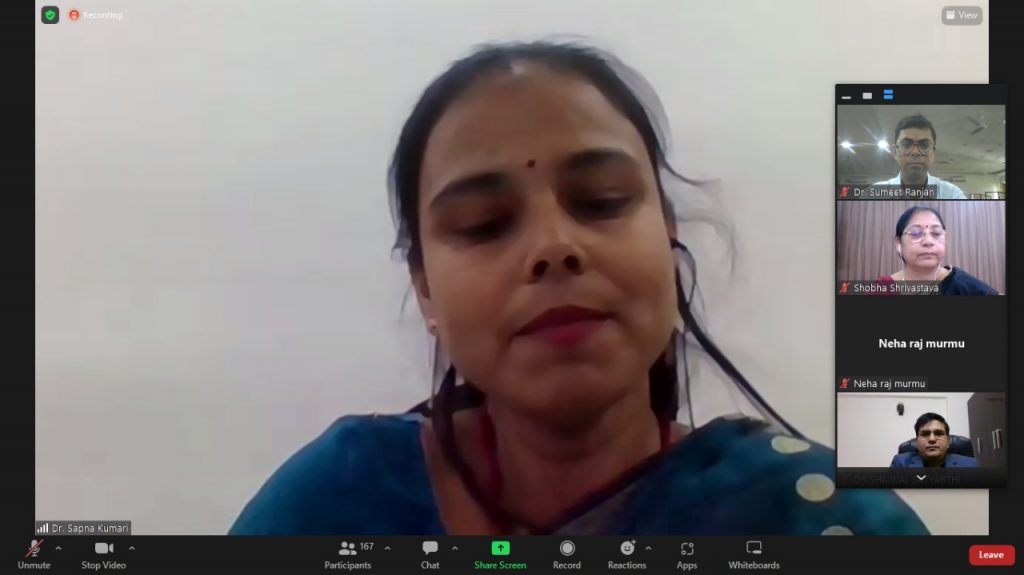
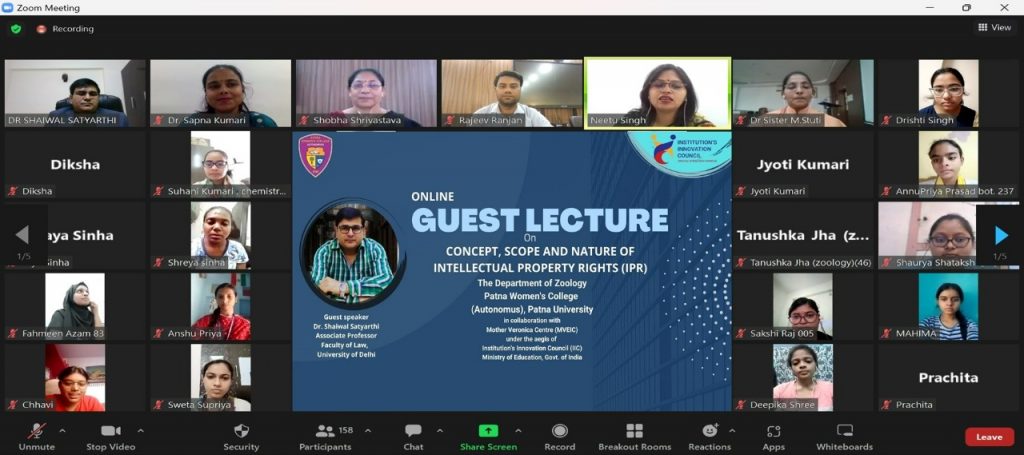
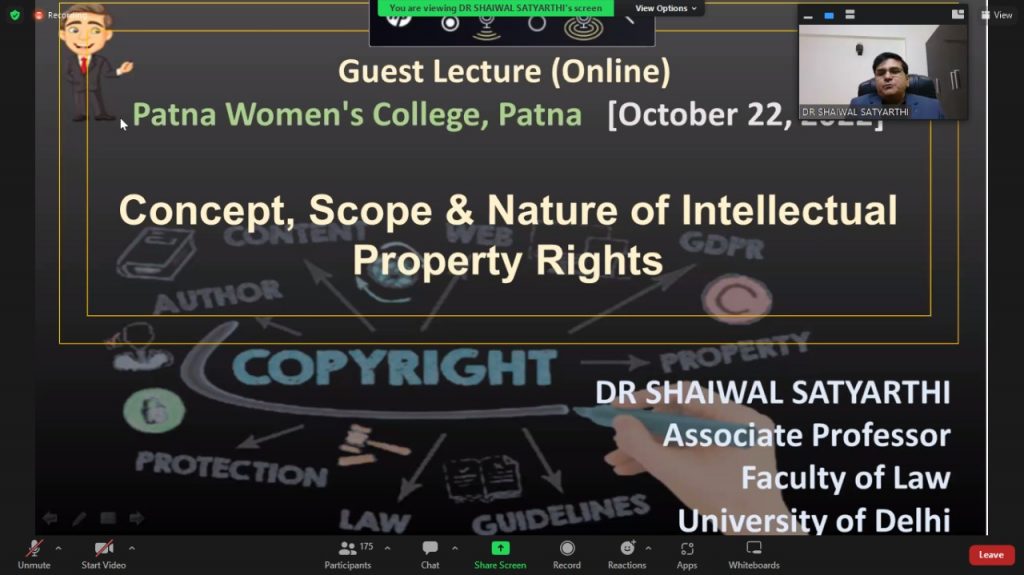
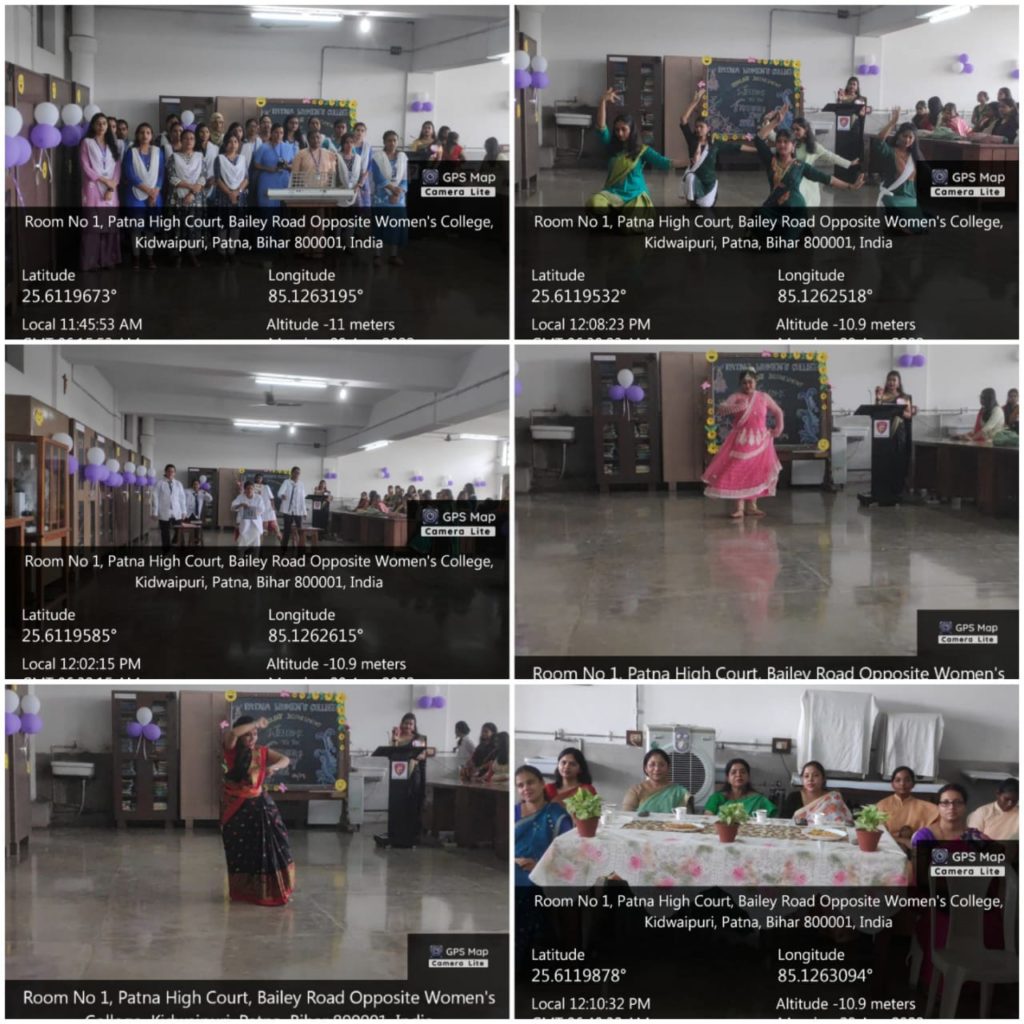
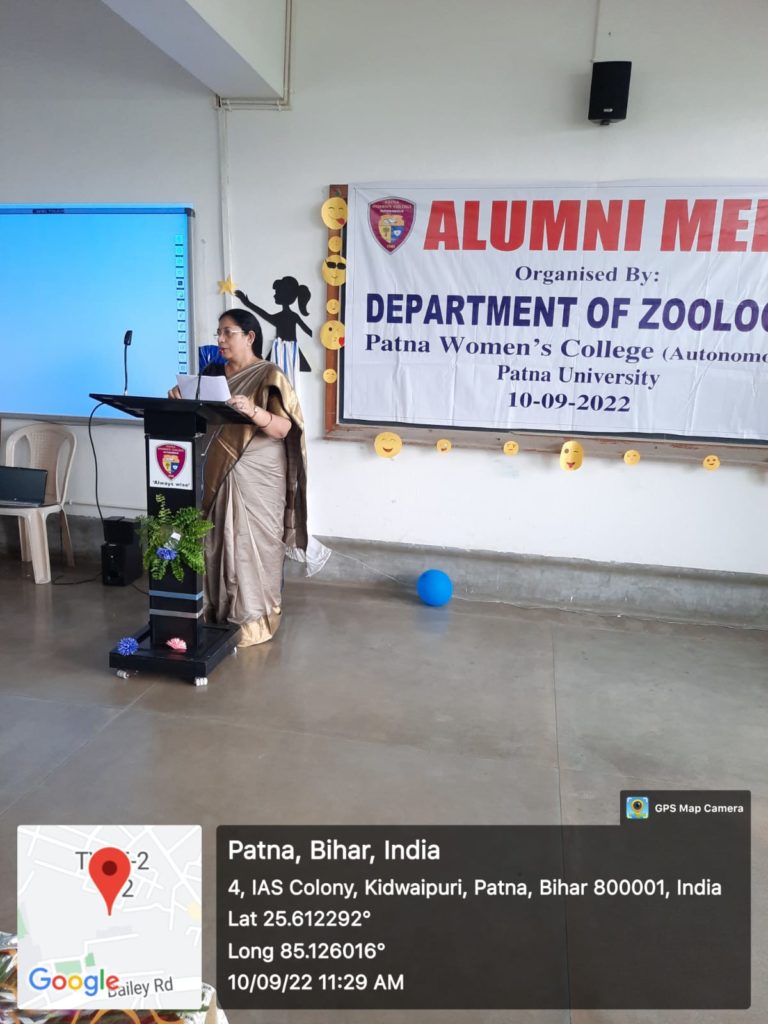
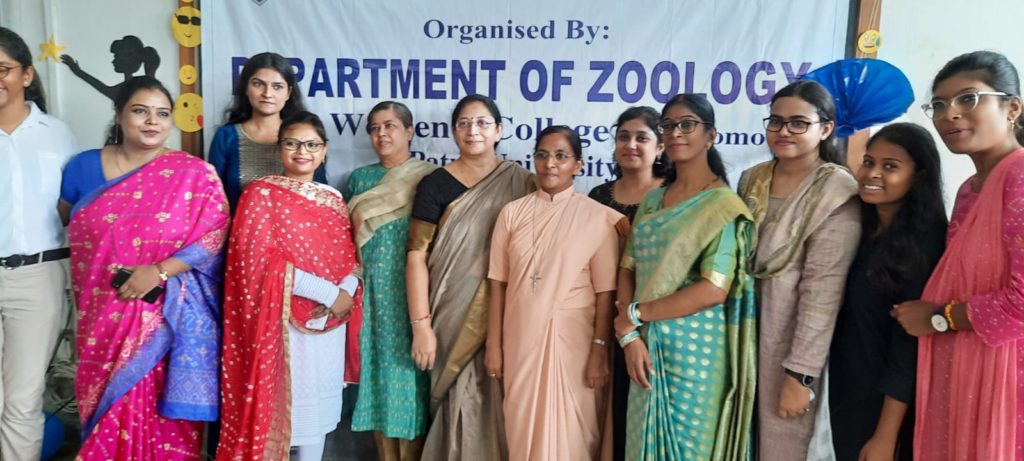
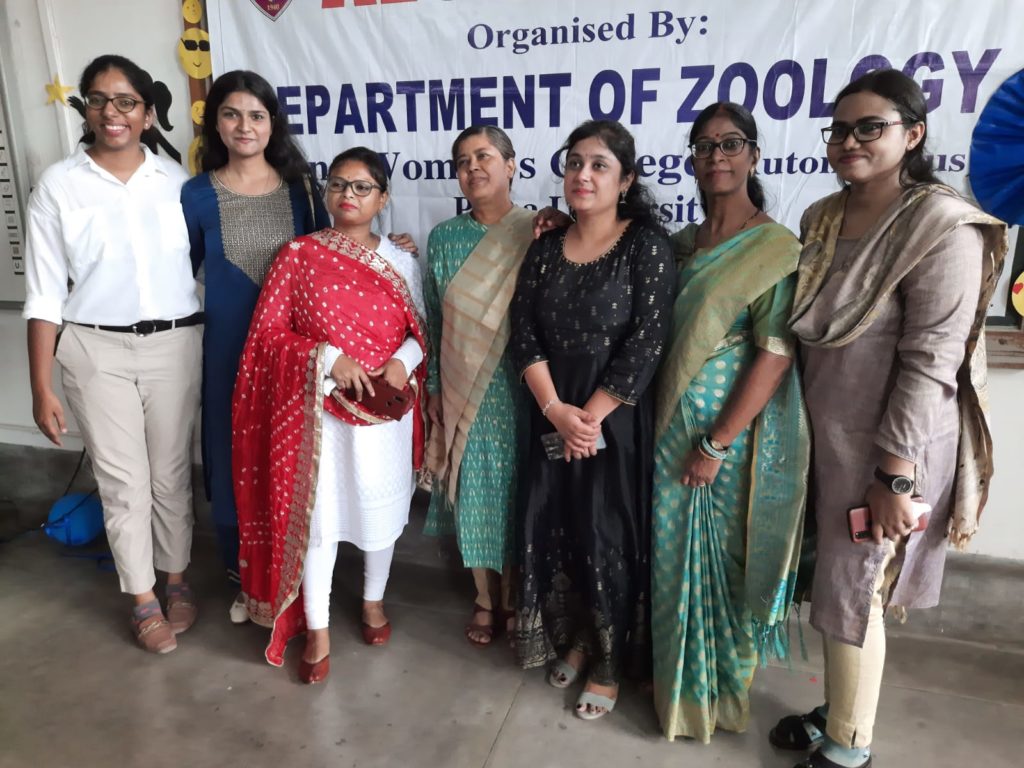
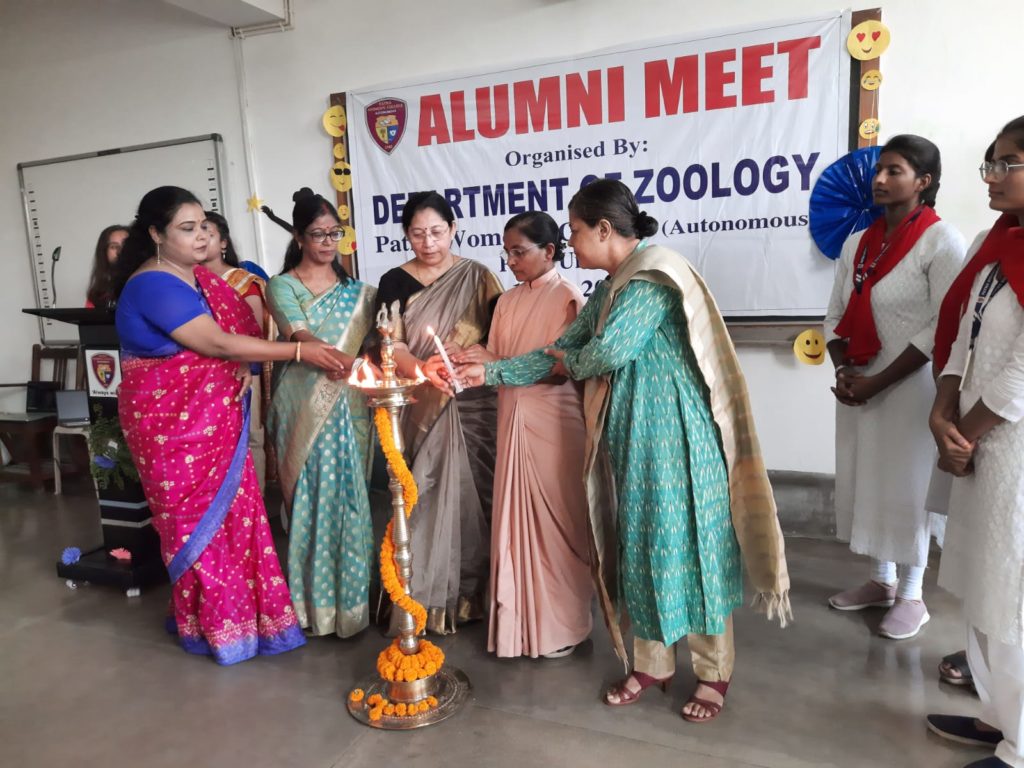
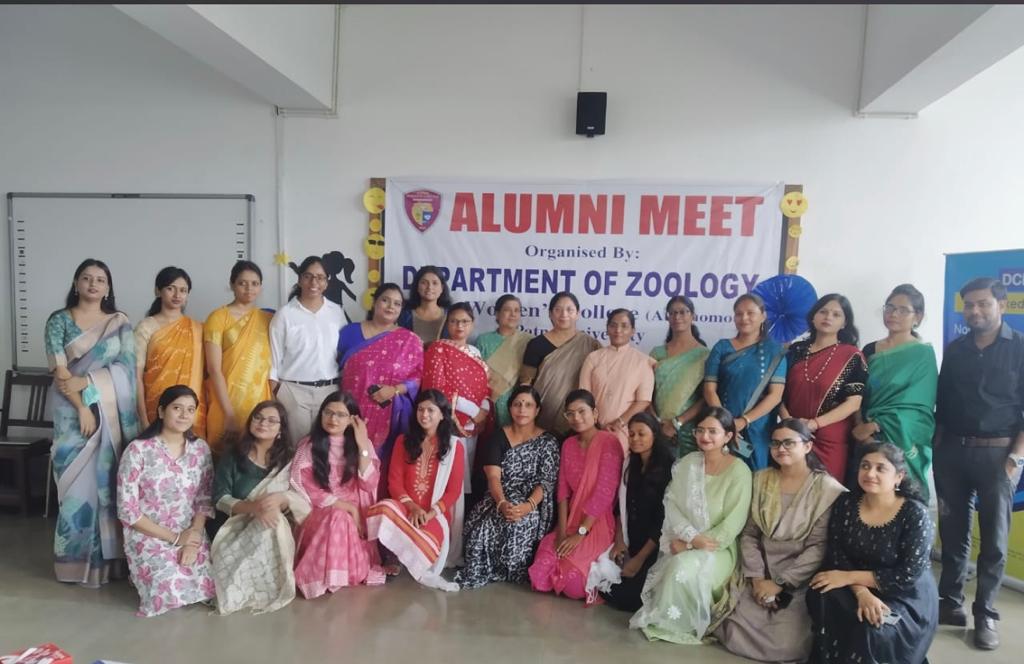
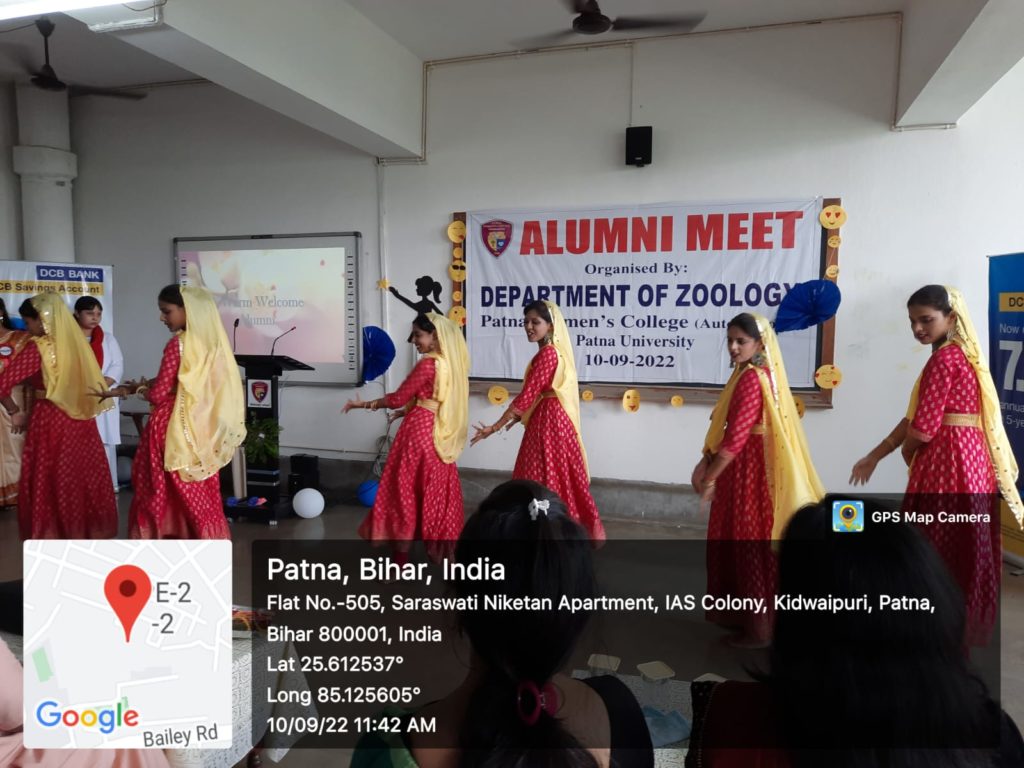
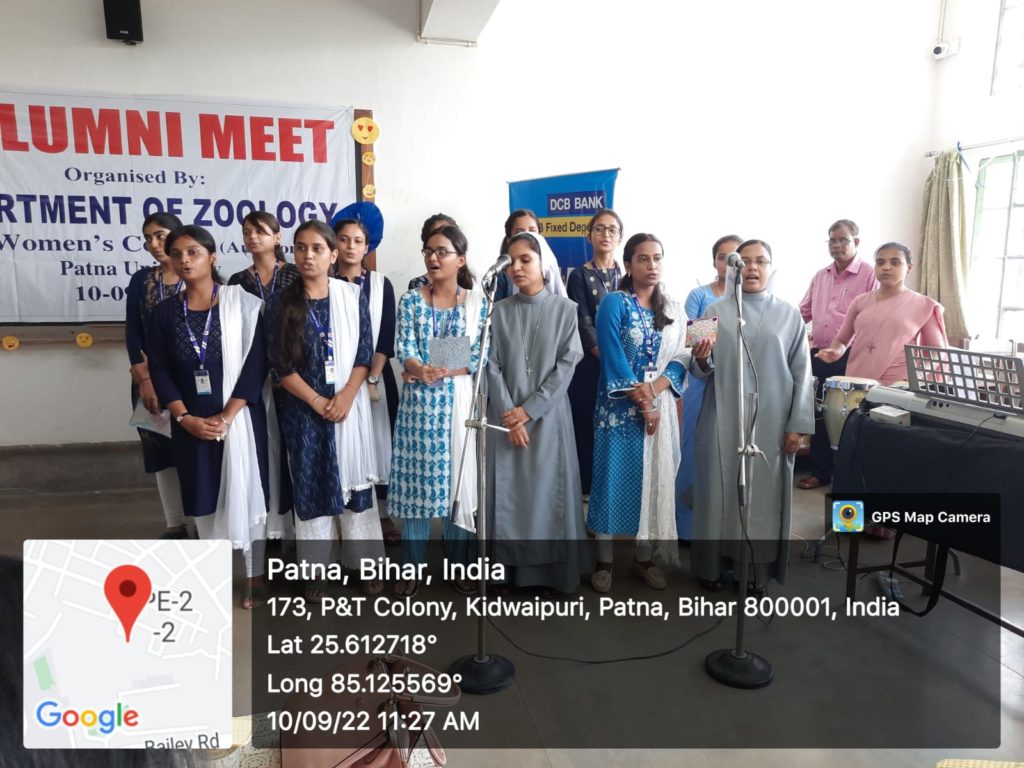
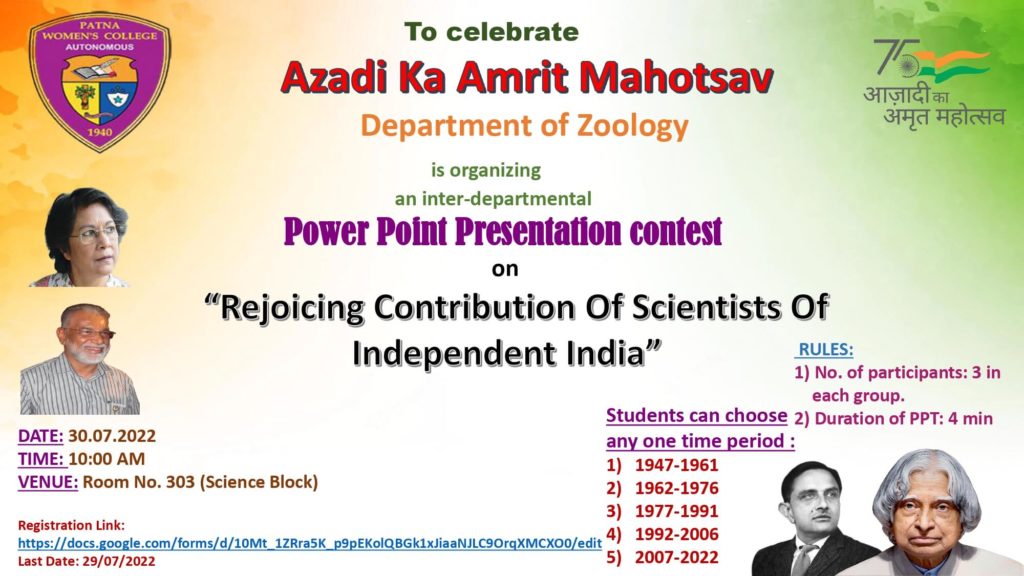

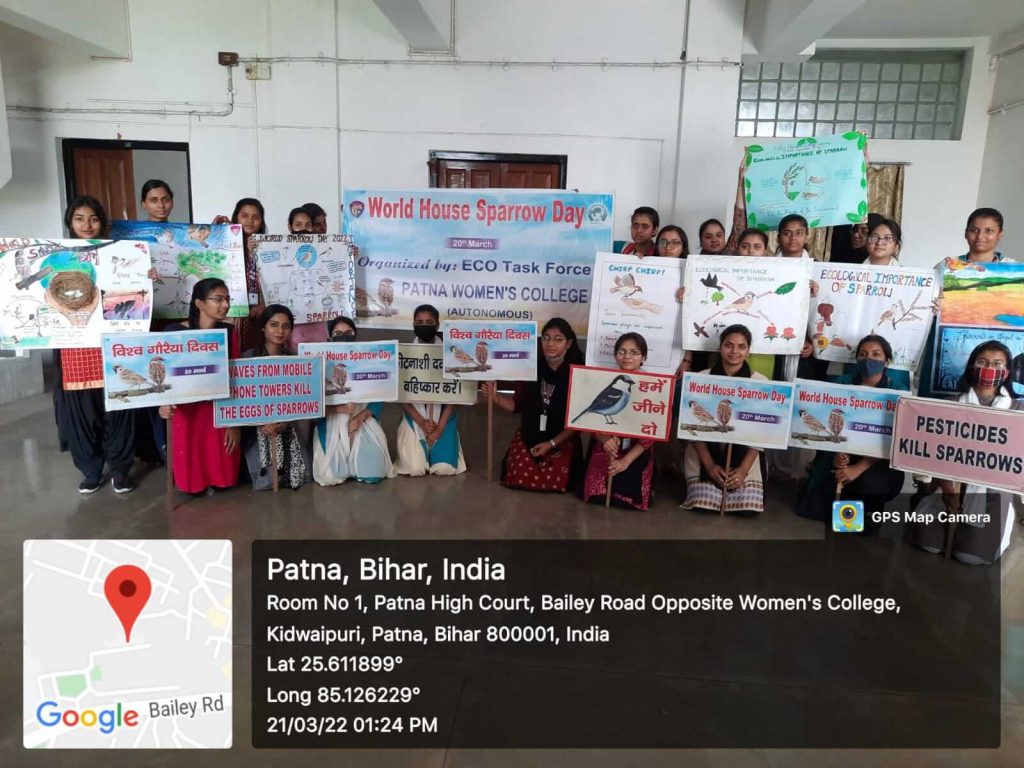
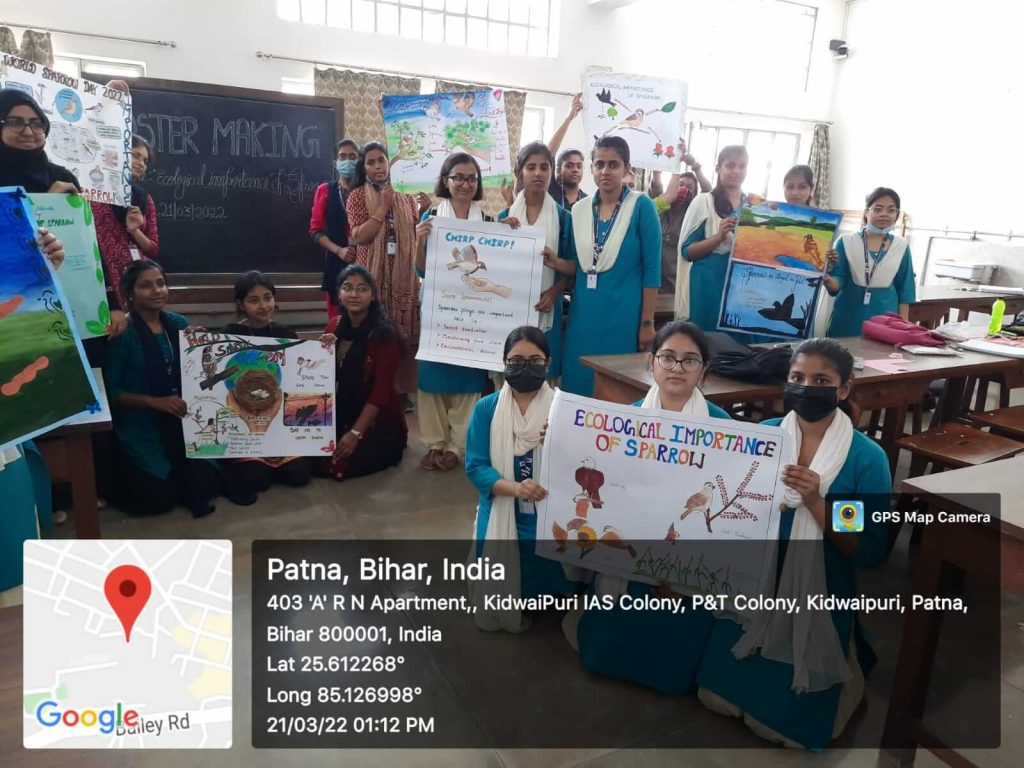
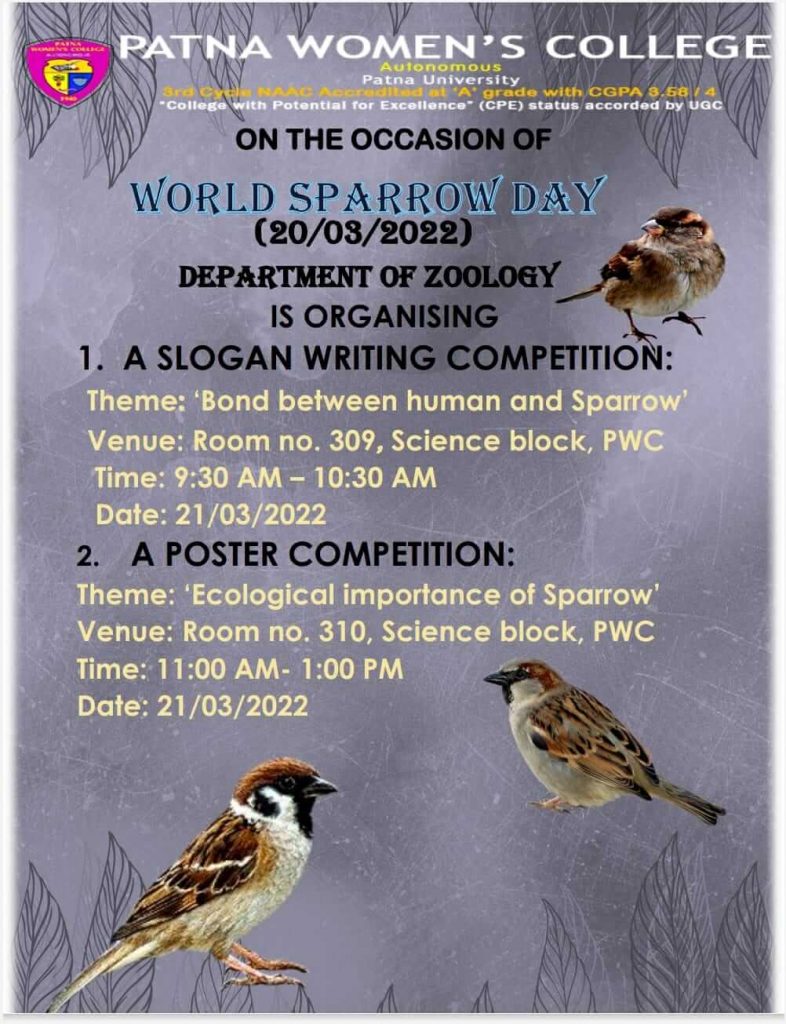
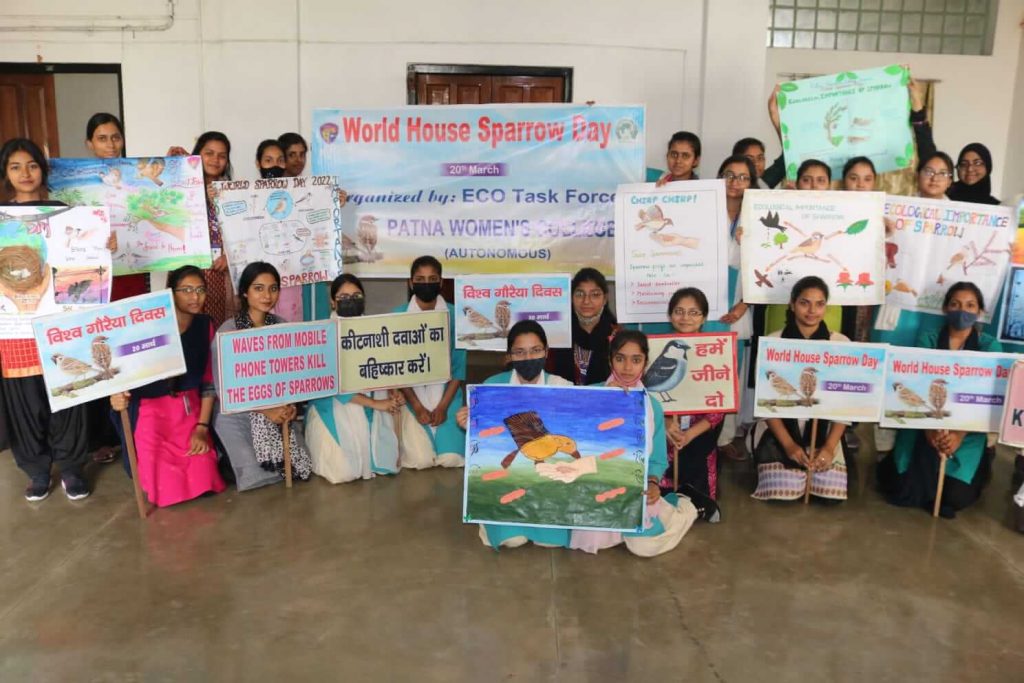


Power Point Presentation Contest
Date : 30/07/2022
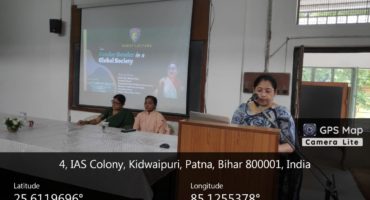
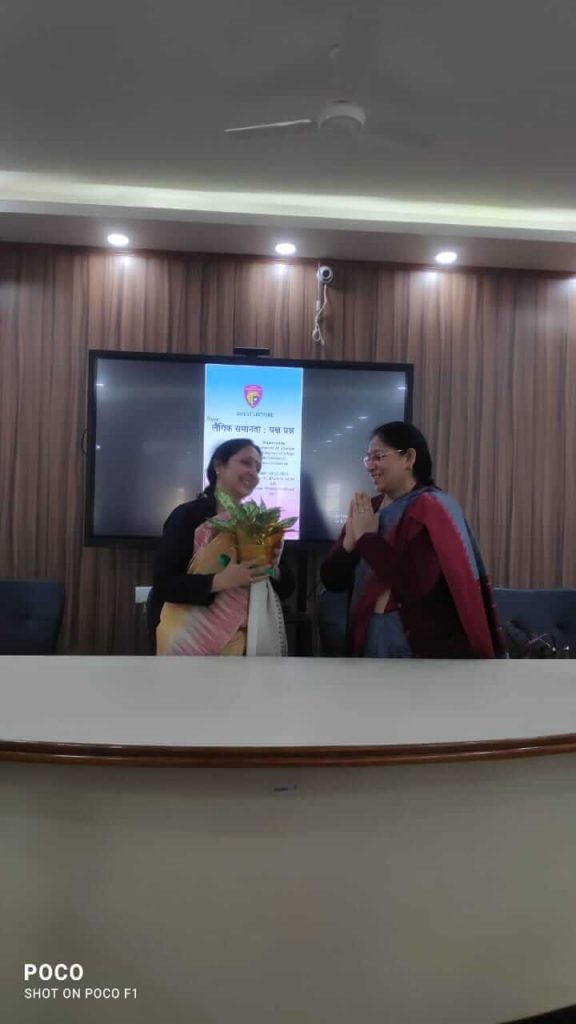
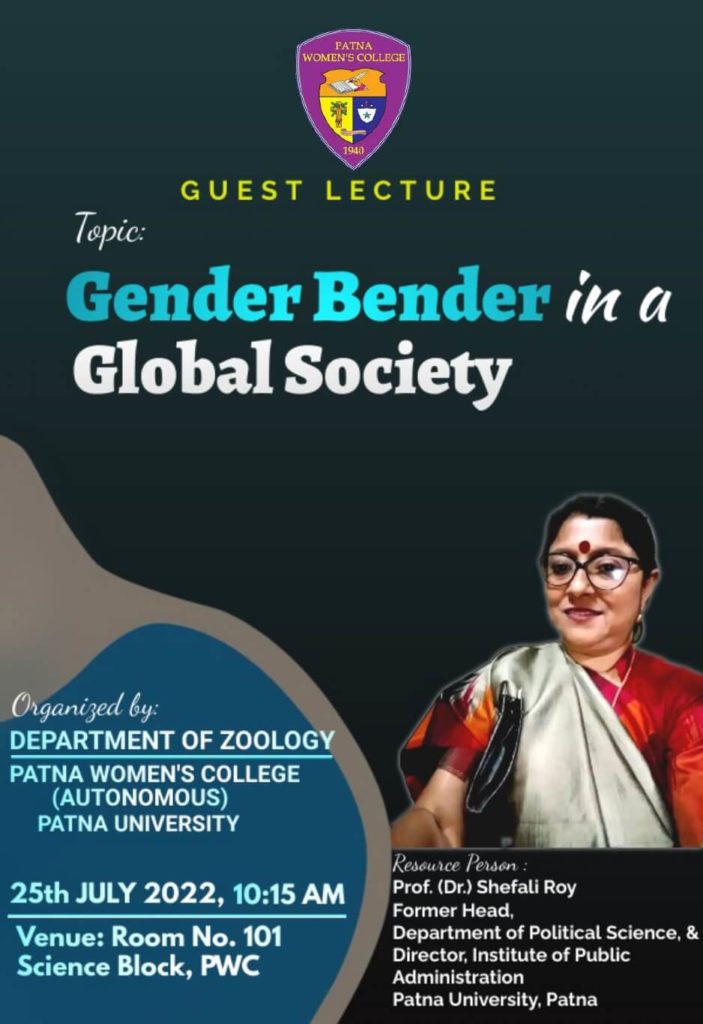
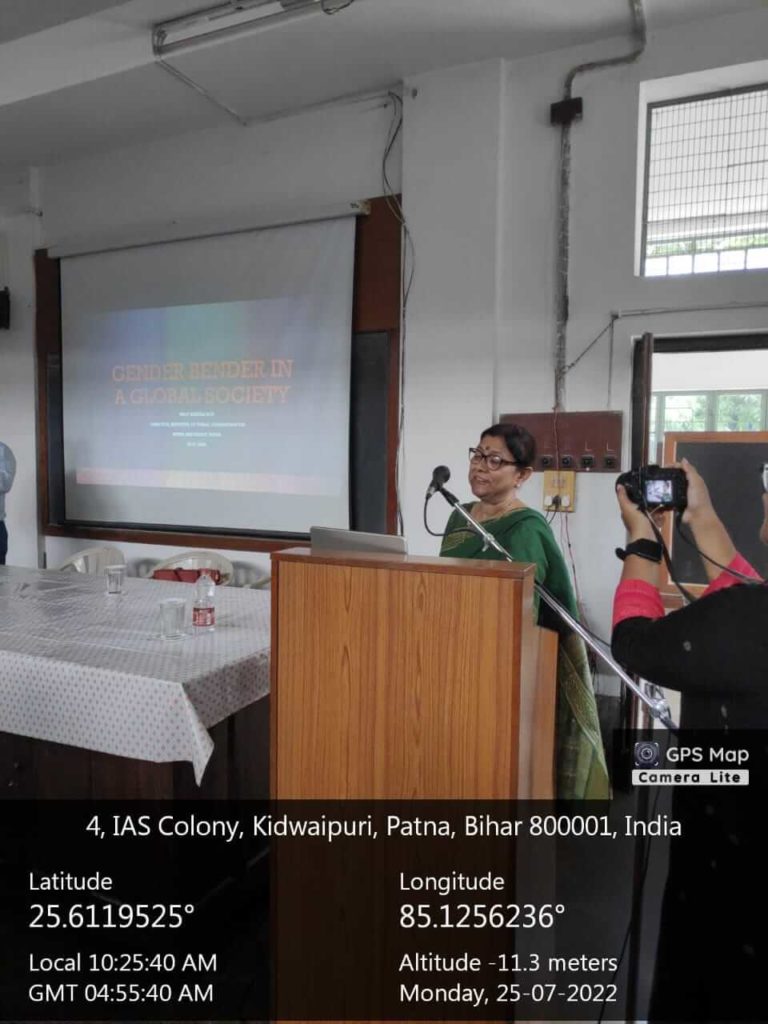
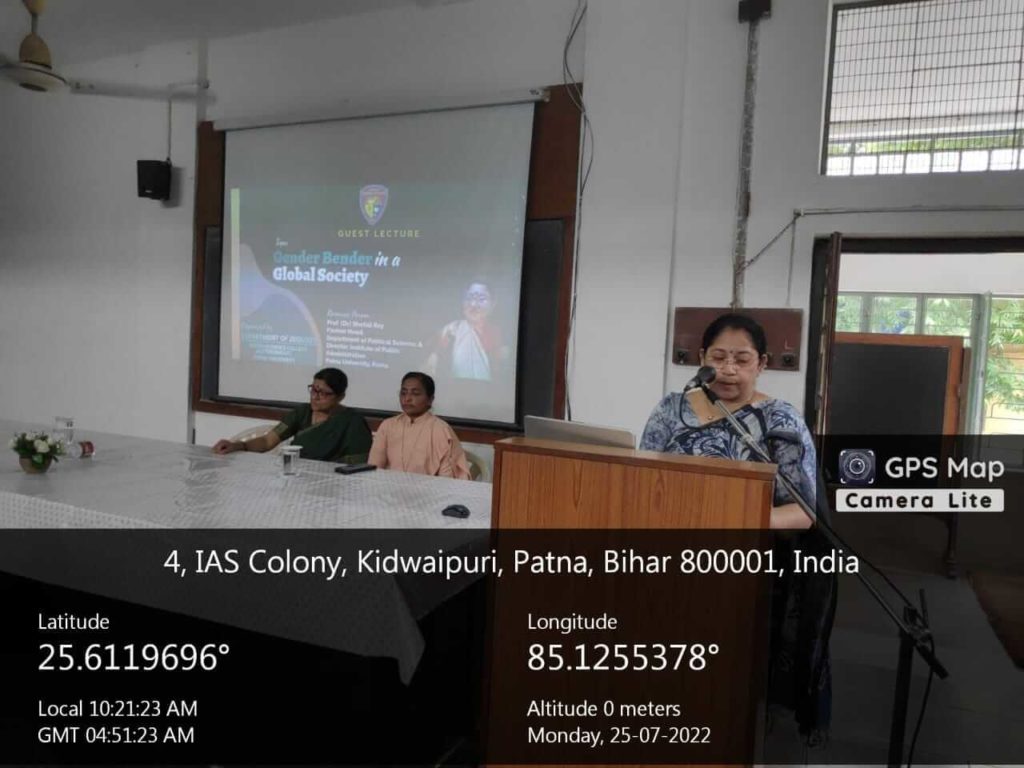
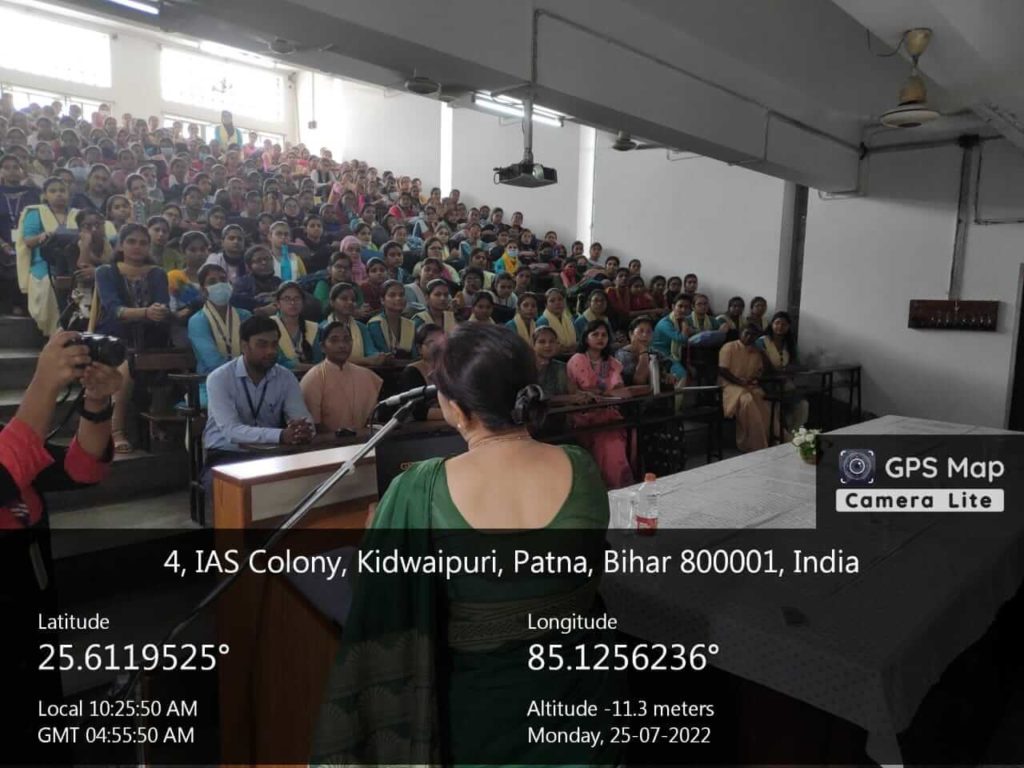
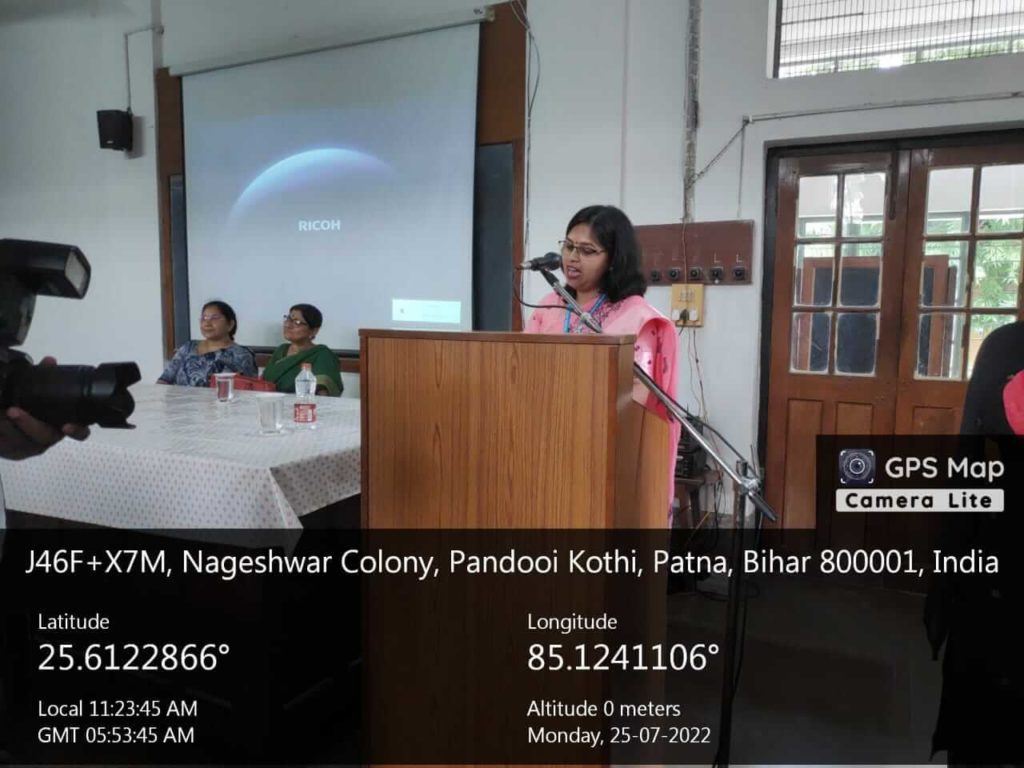
Guest Lecture - “Gender Bender in a Global Society”
Date : 25.07.2022.
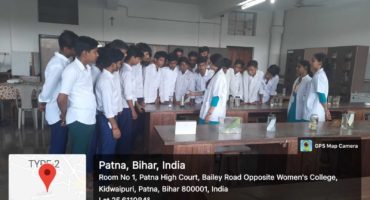
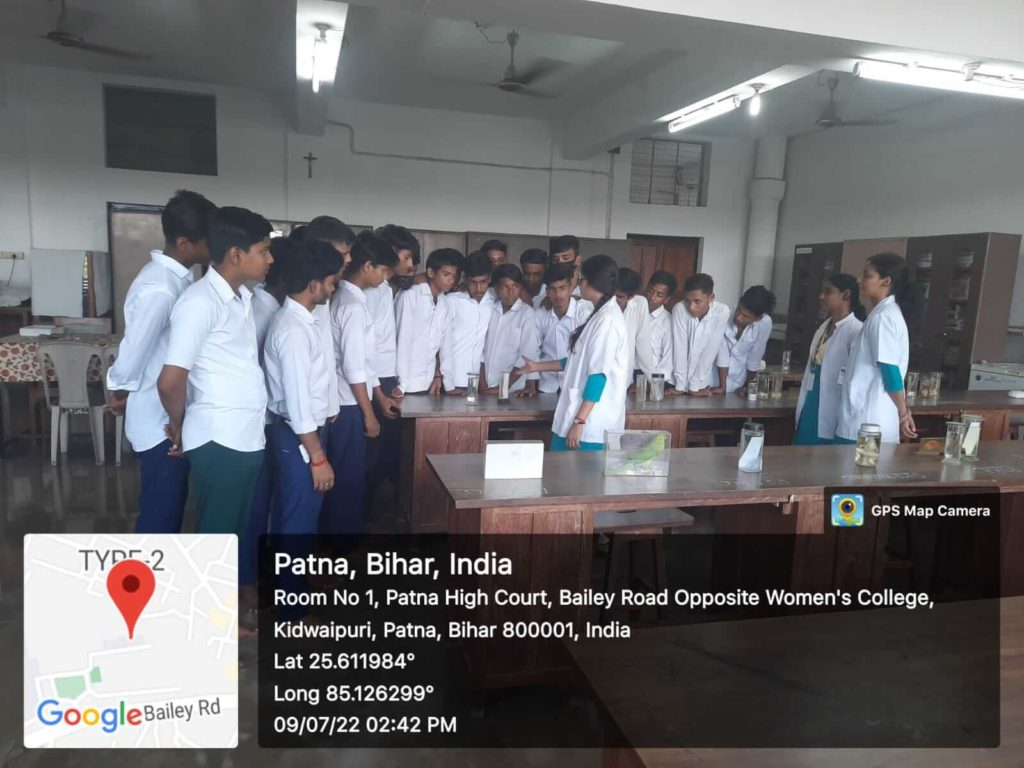
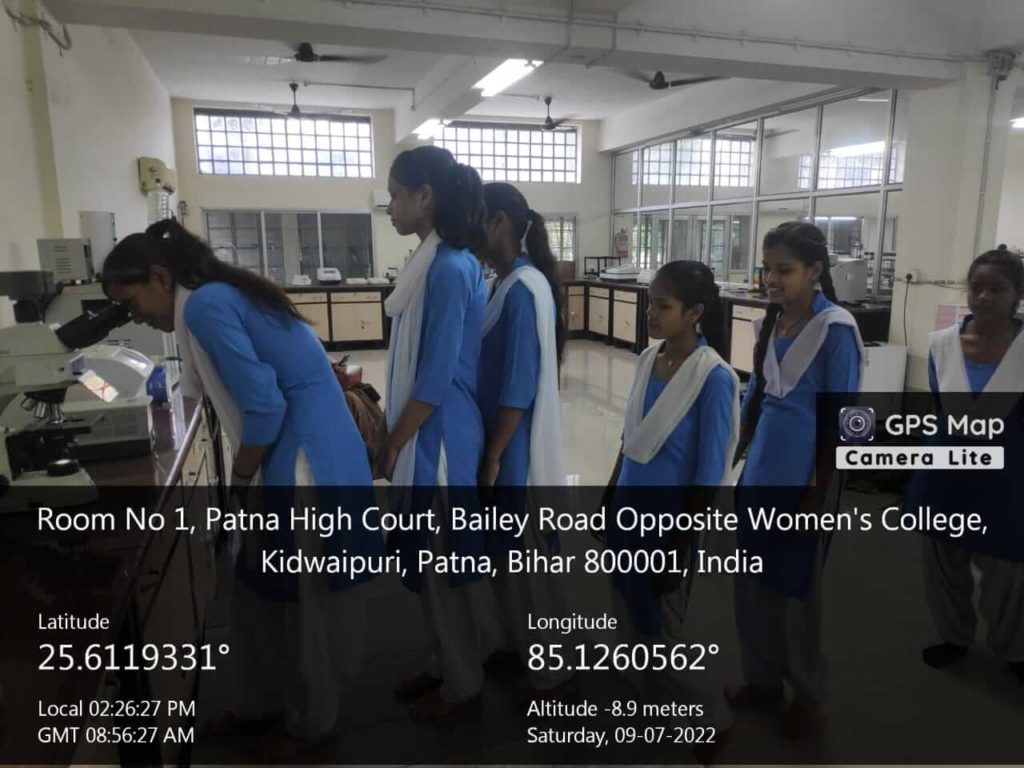
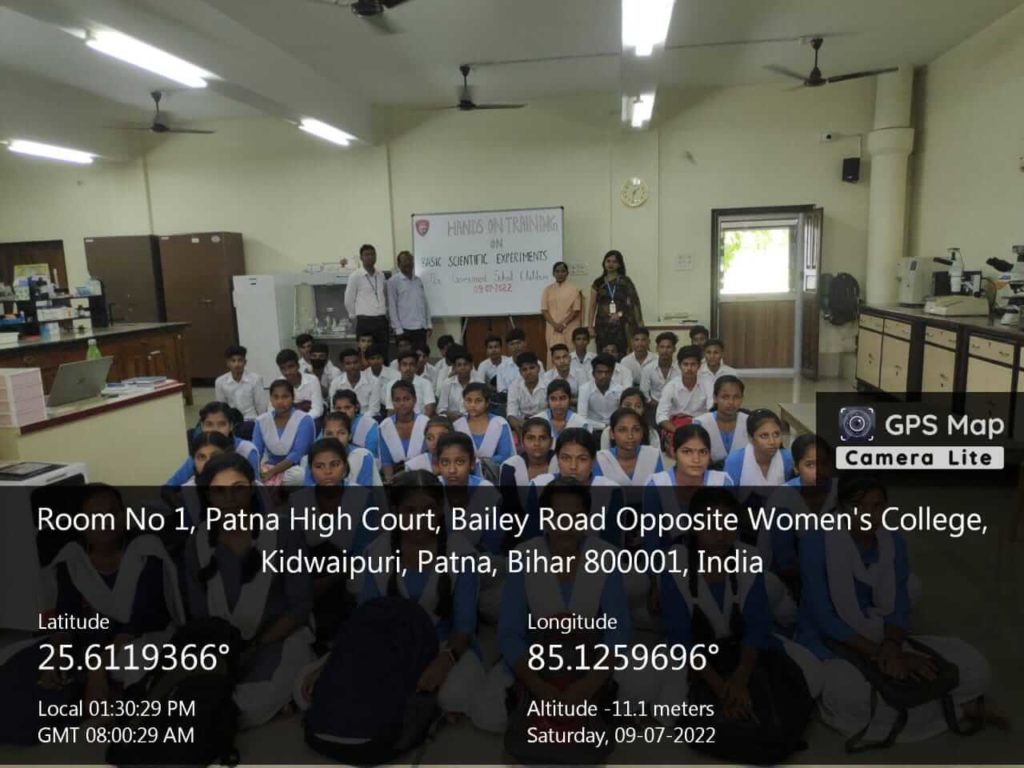
Hands on training on Basic Experiments for Government School
Date : 09.07.2022

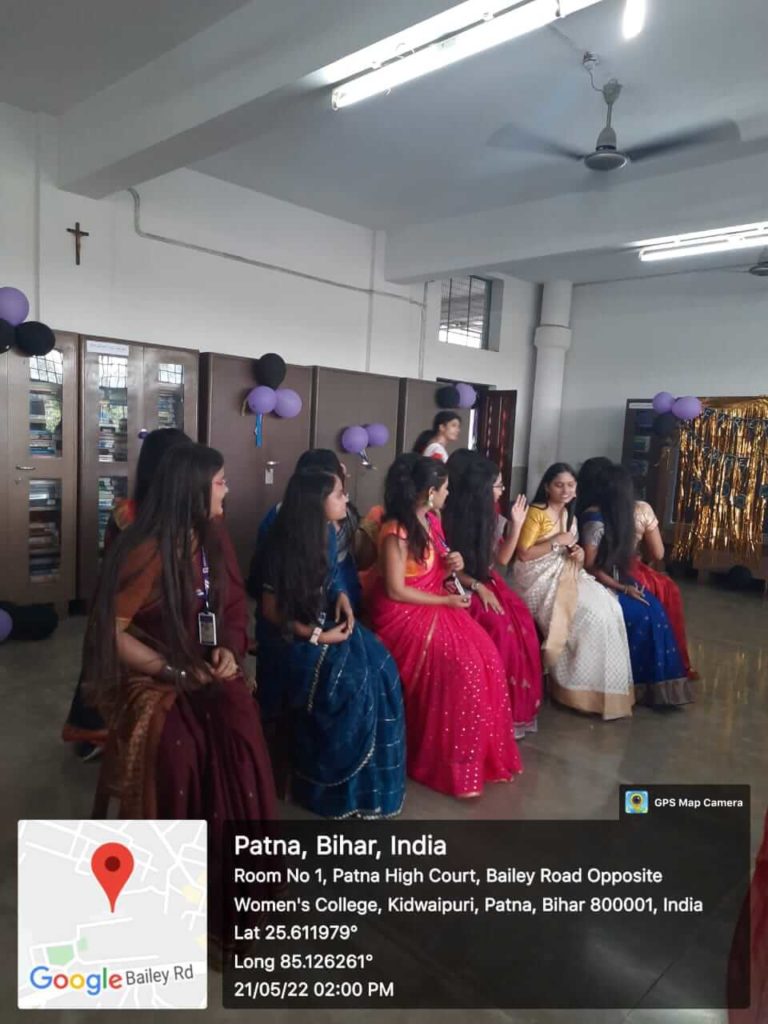
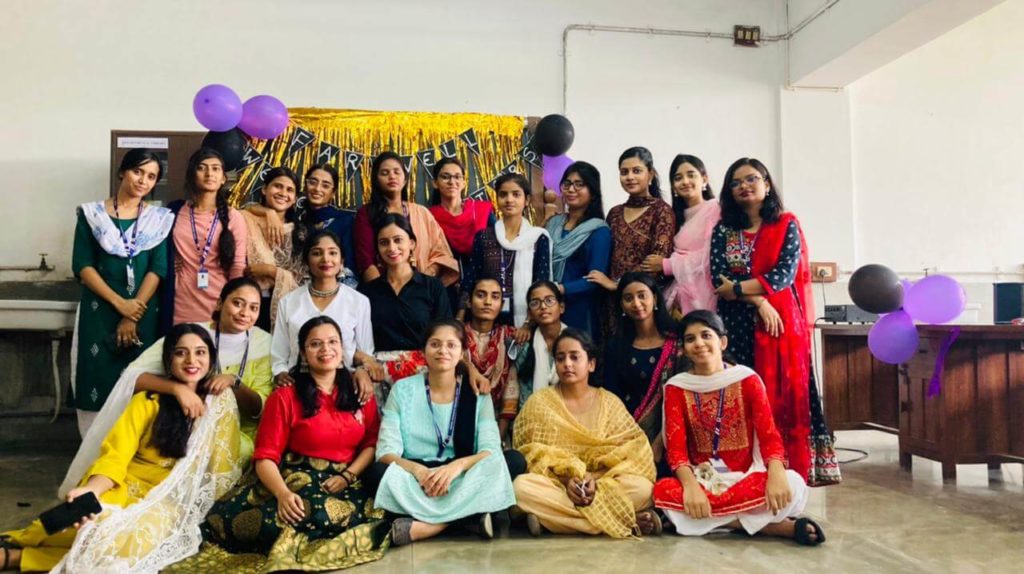
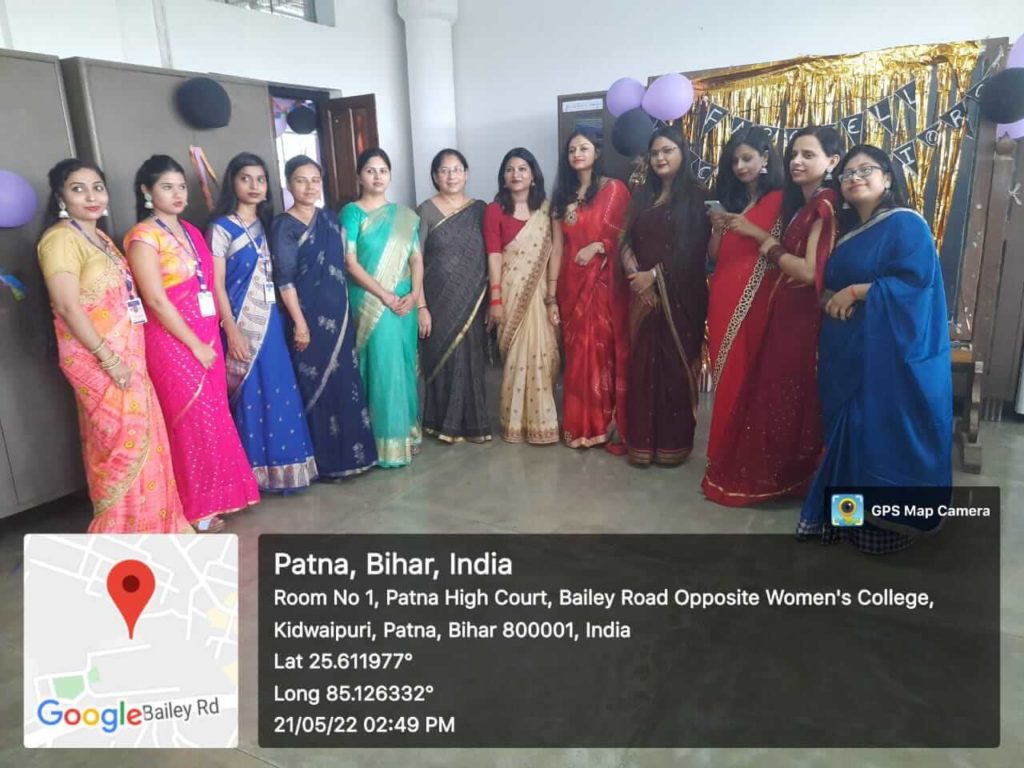
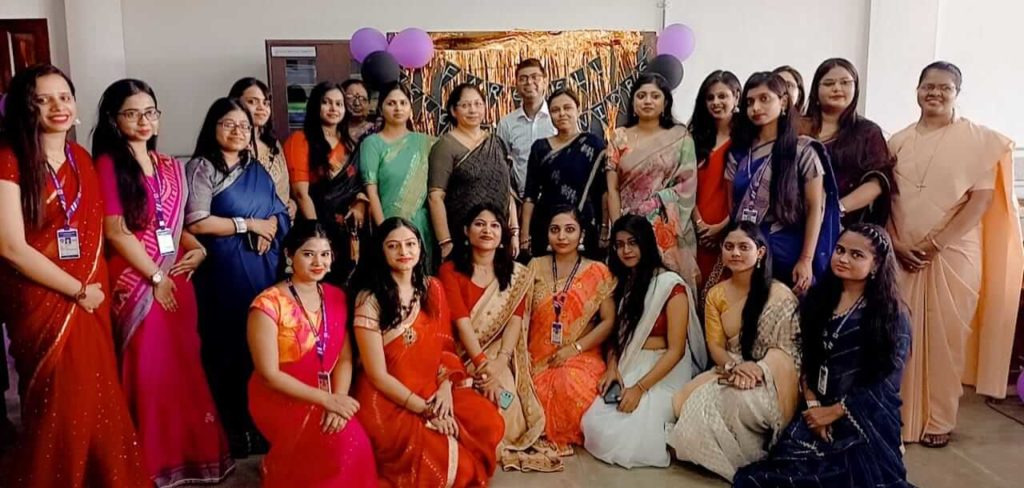
Farewell Programme for the Post Graduate Sem-IV
Date : 21.05.2022
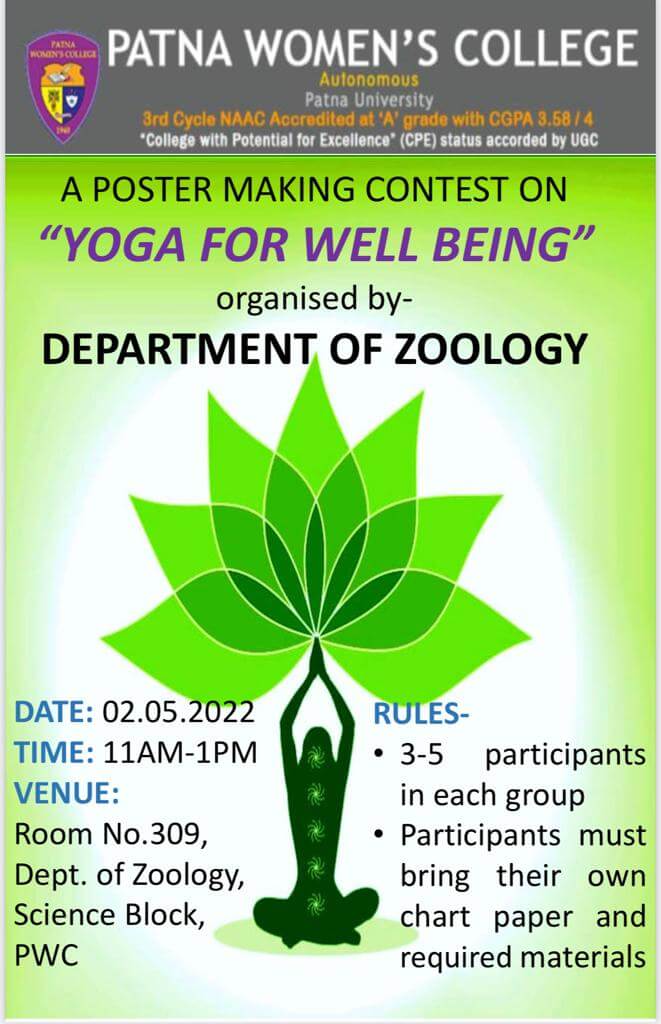
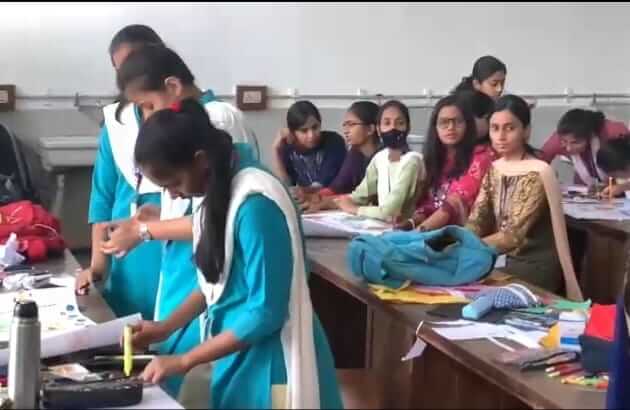
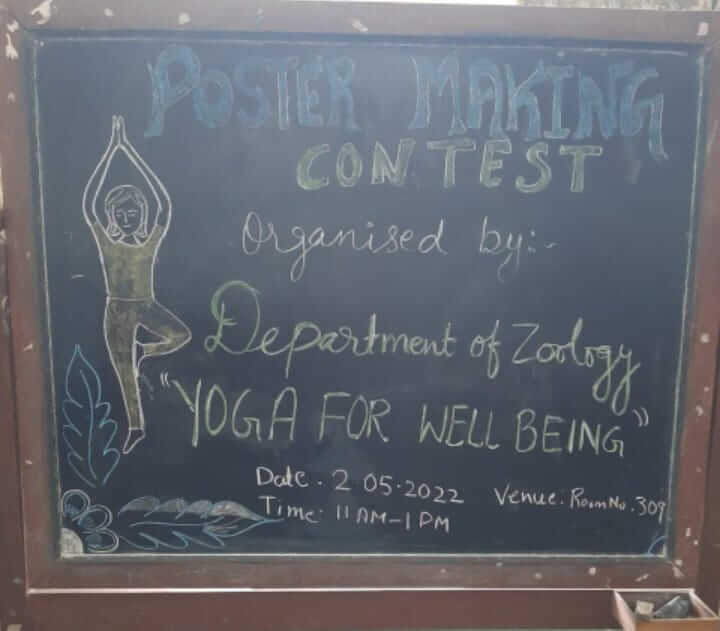
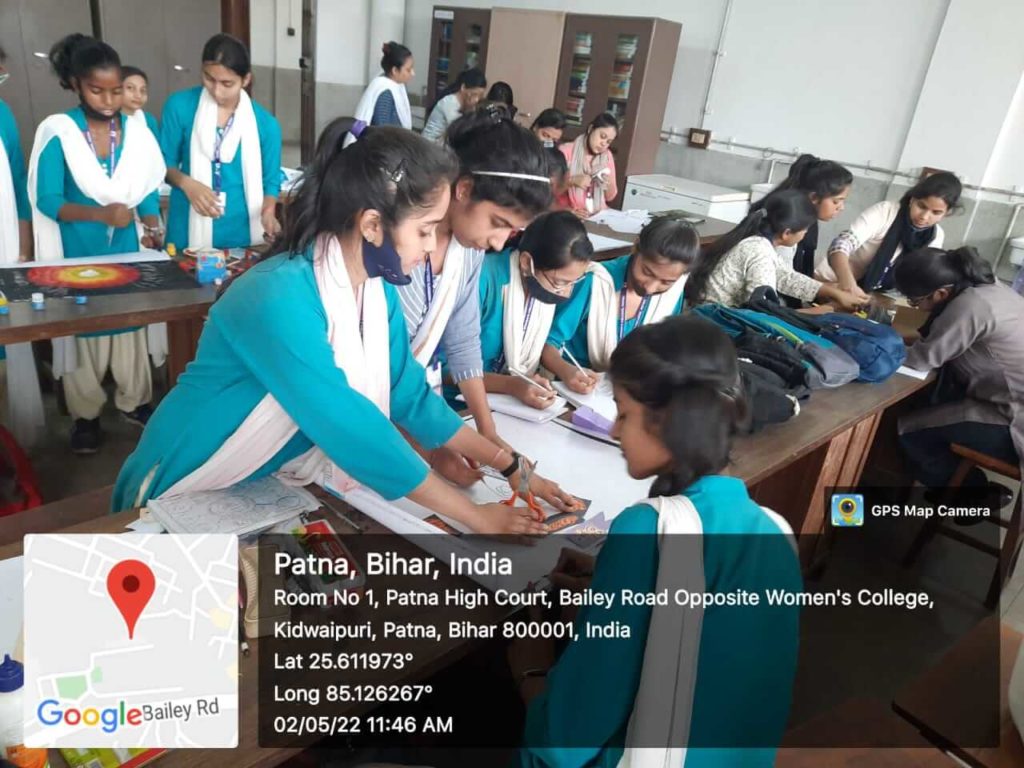
Yoga For Well Being
Date : 02.05.2022
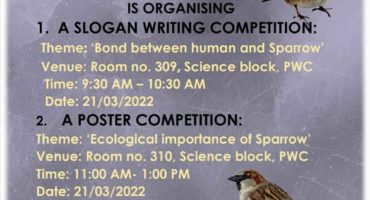
Yoga For Well Being
Date : 21.03.2022
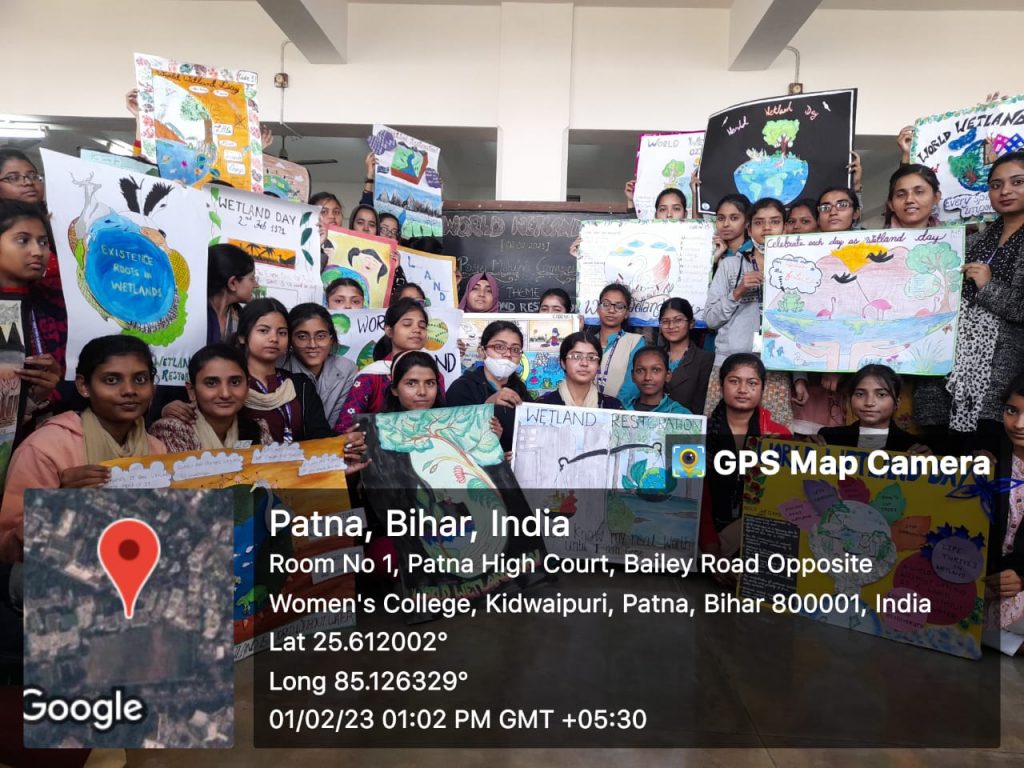
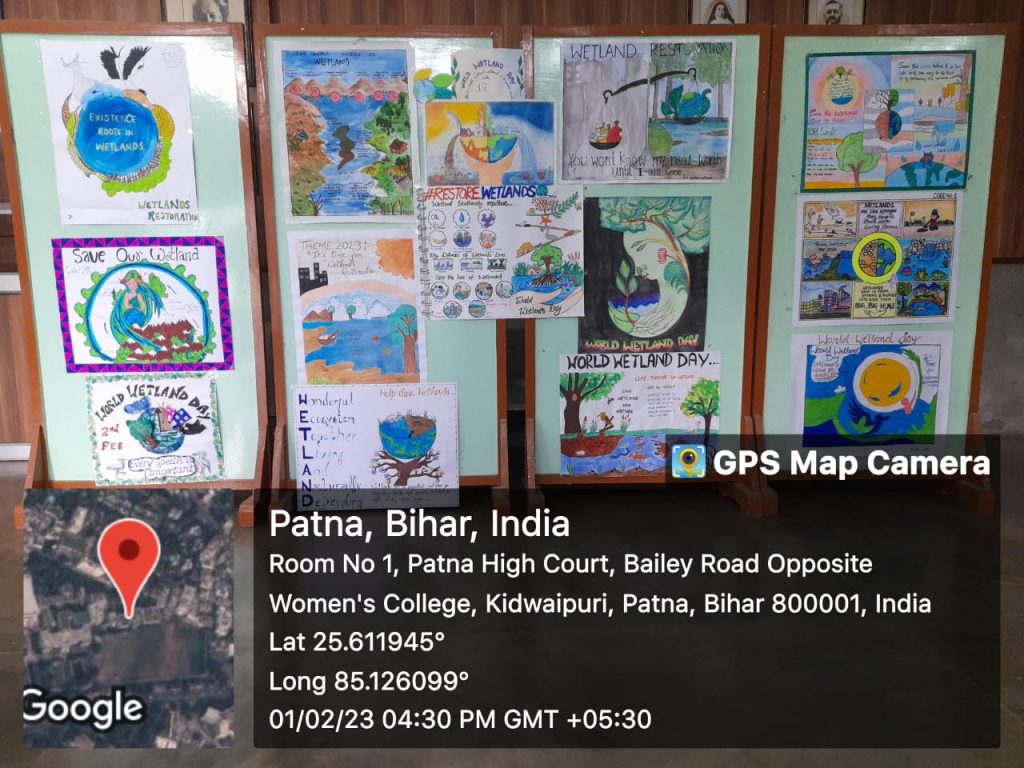
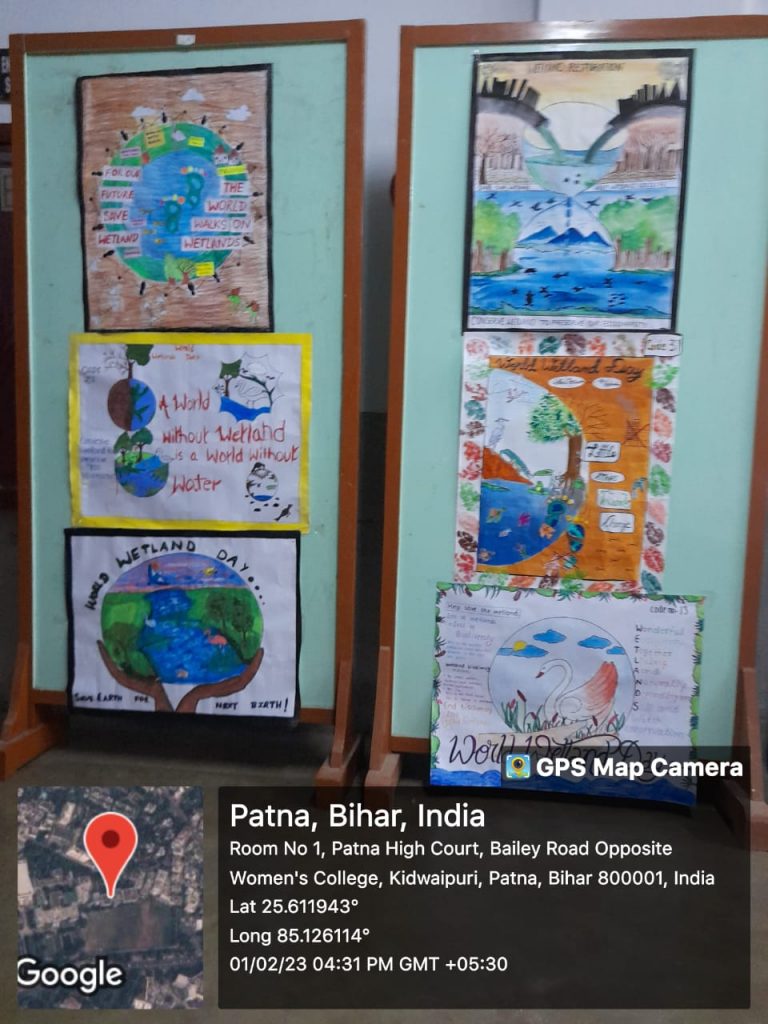
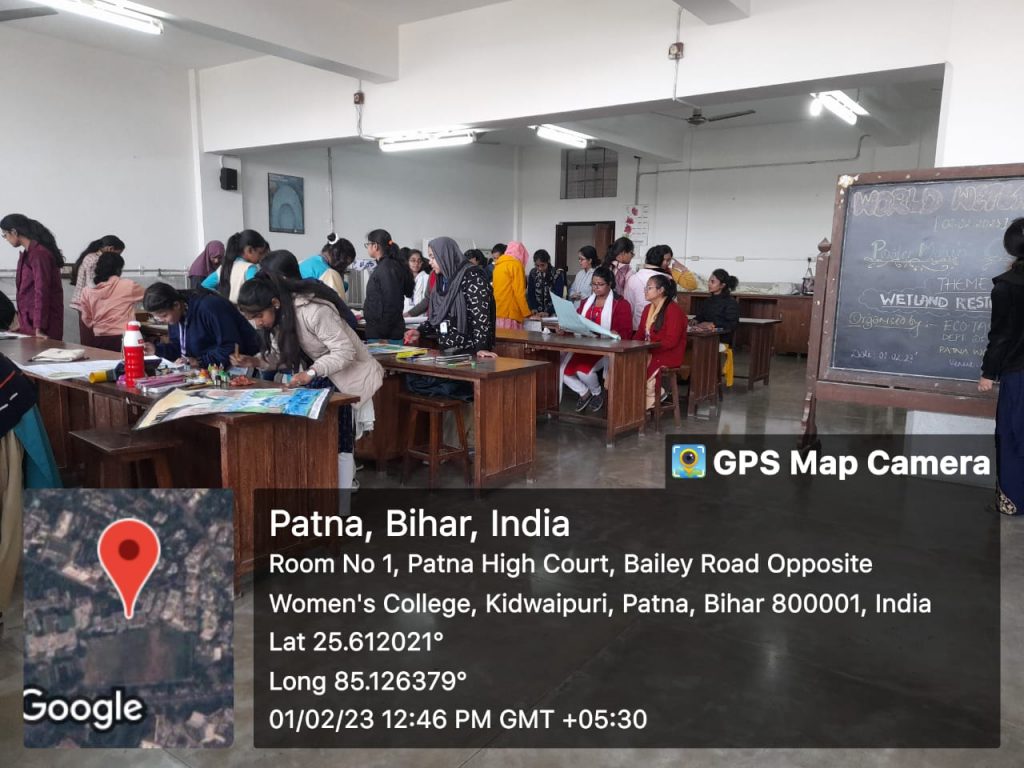
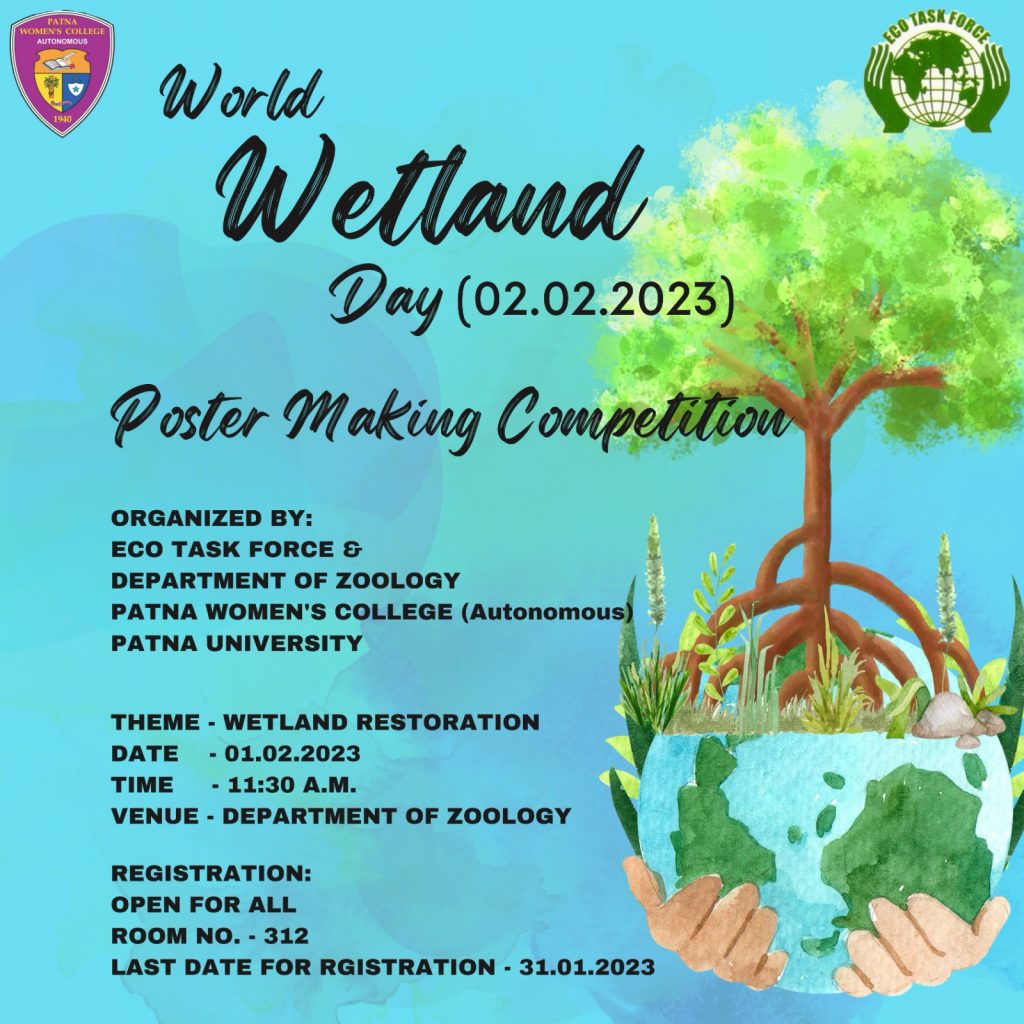
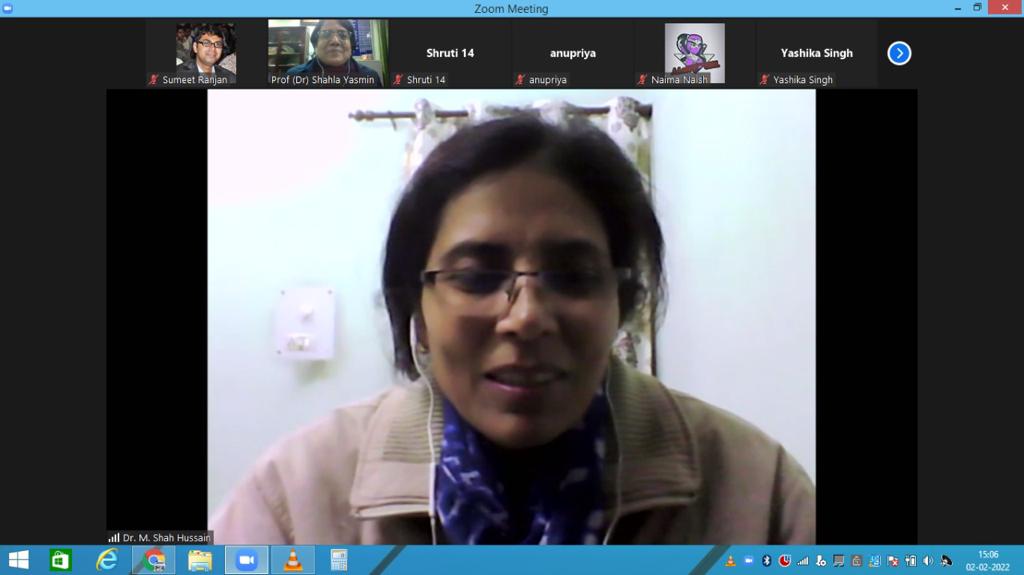
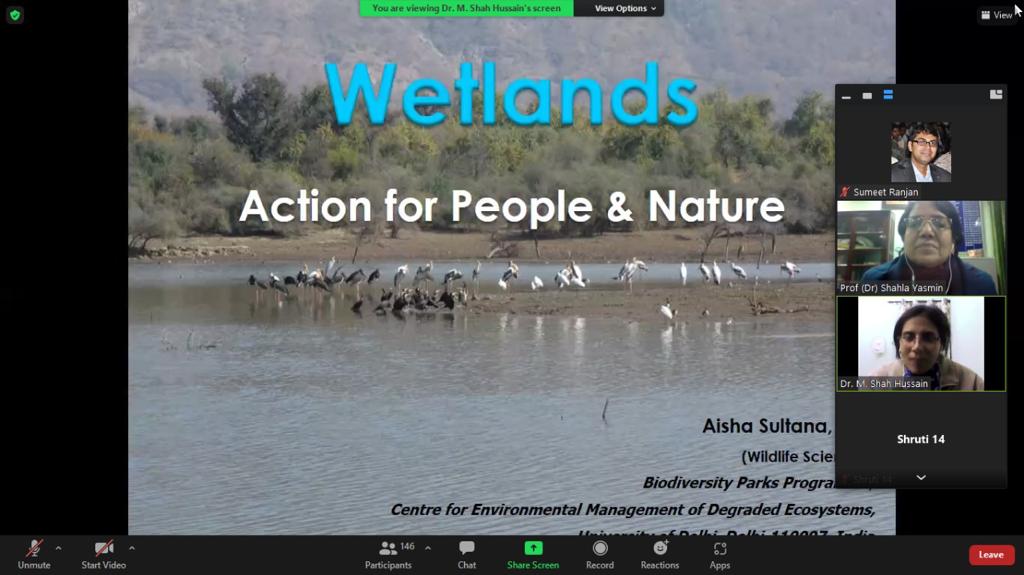
World Wetland Day
Date : 02.02.2022
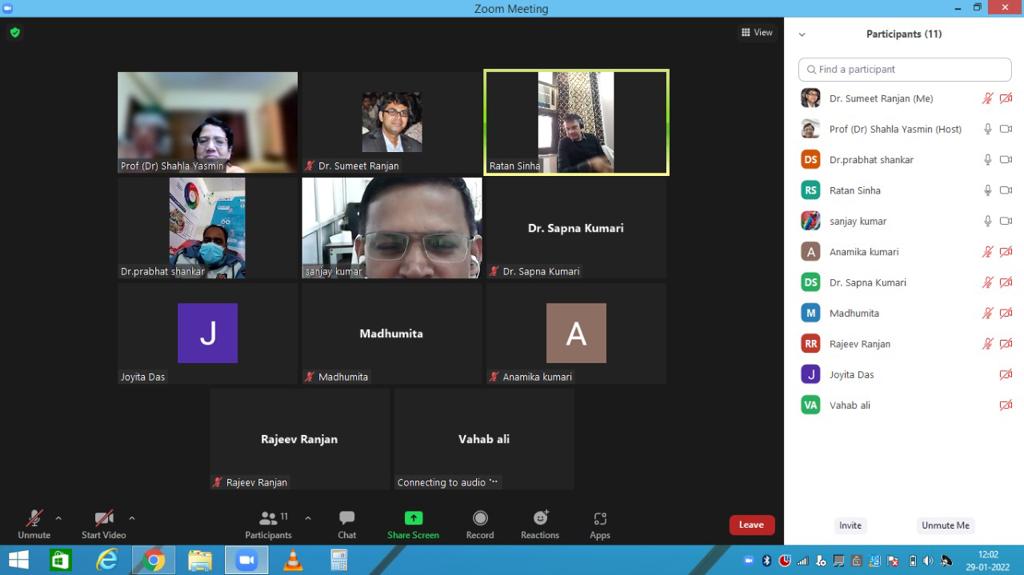
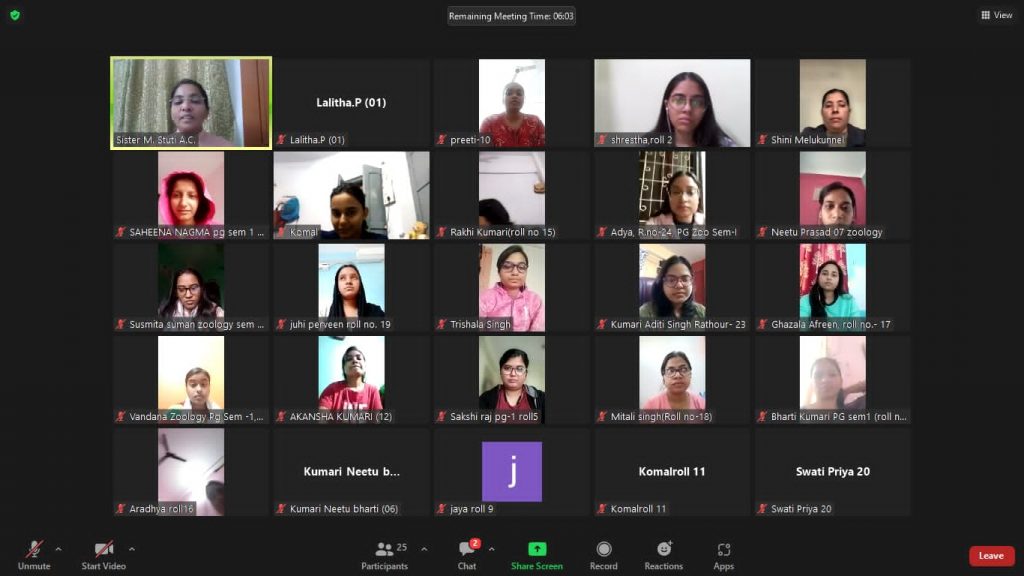
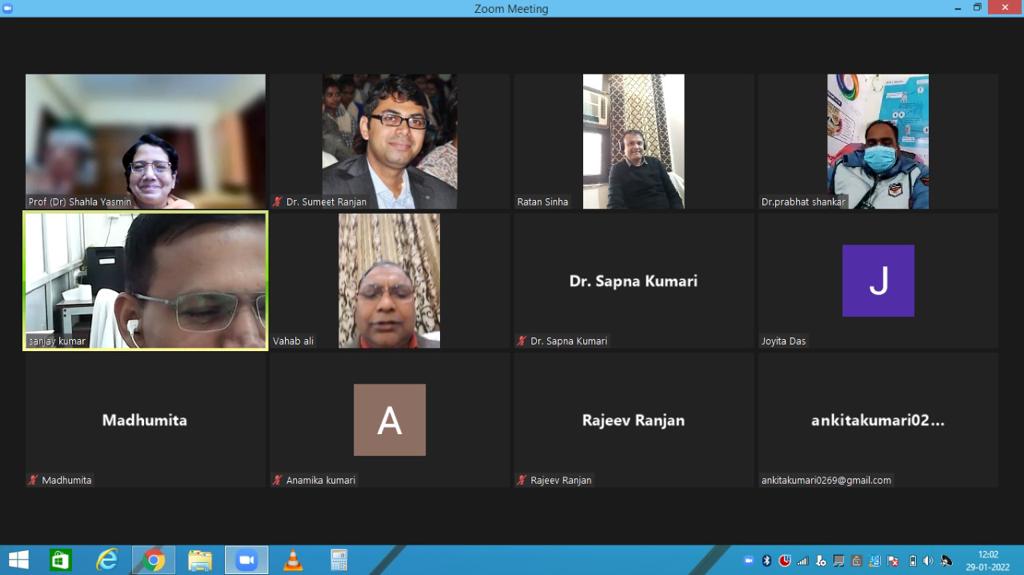
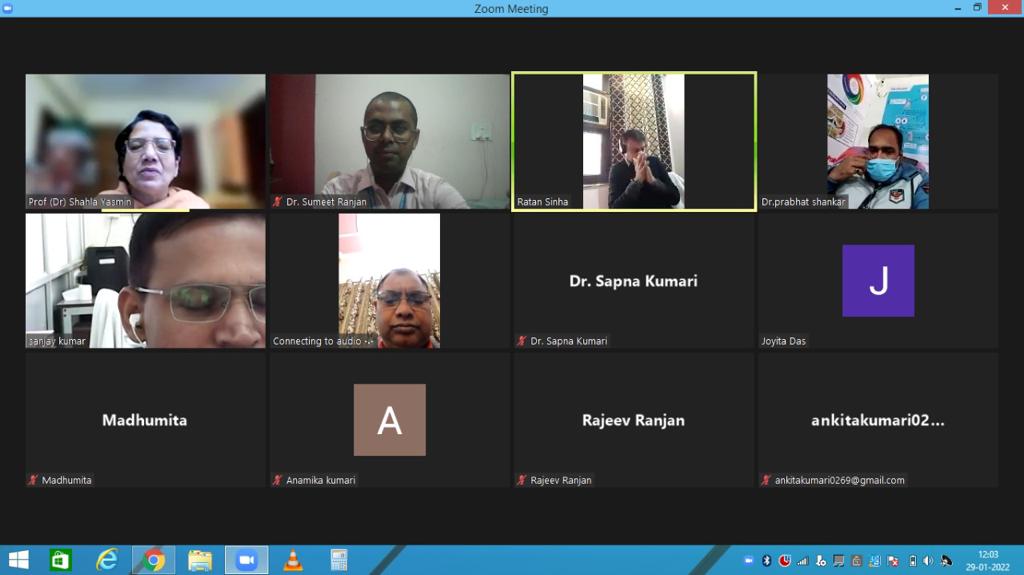
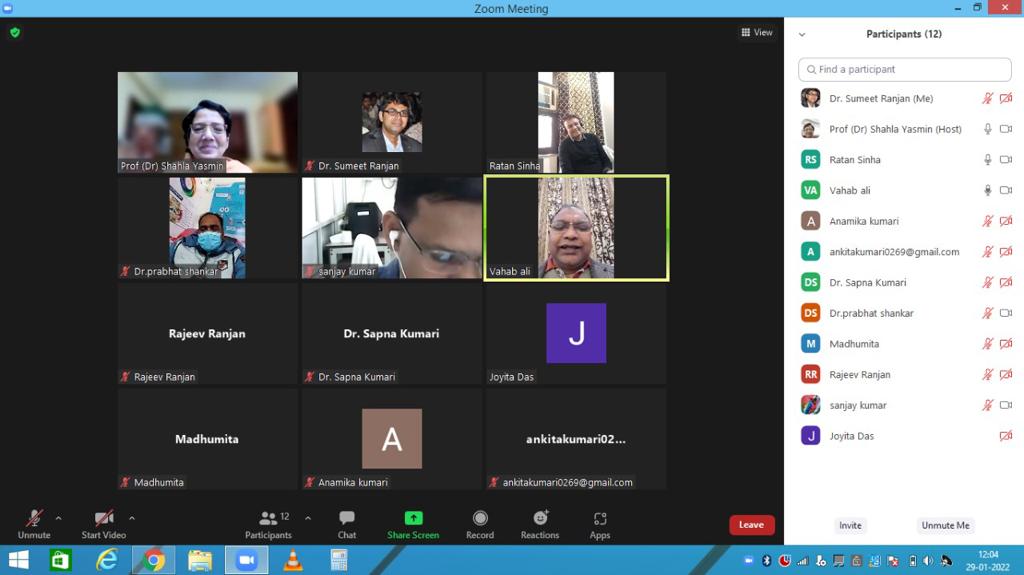
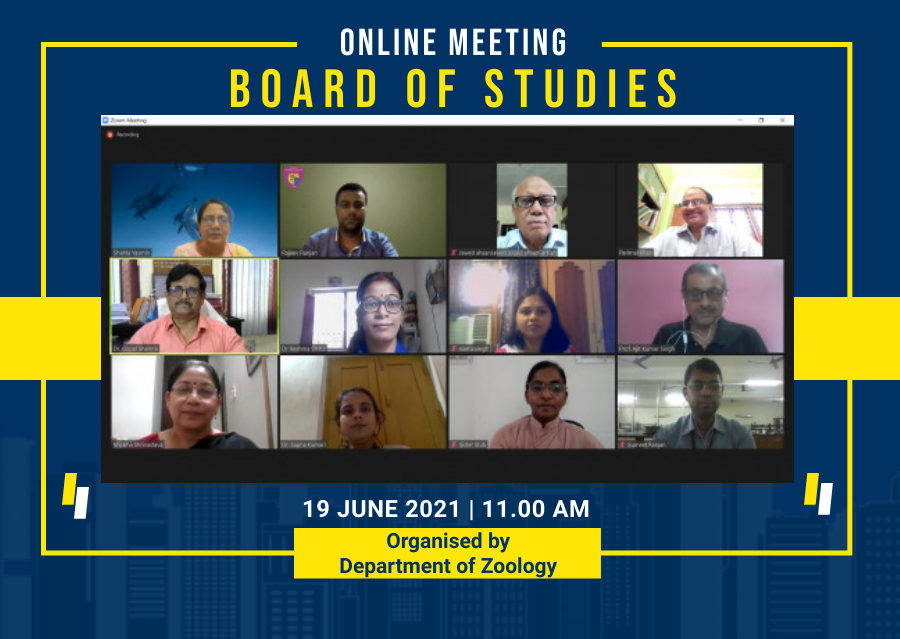
An online meeting of IAEC
Date : 29.01.2022
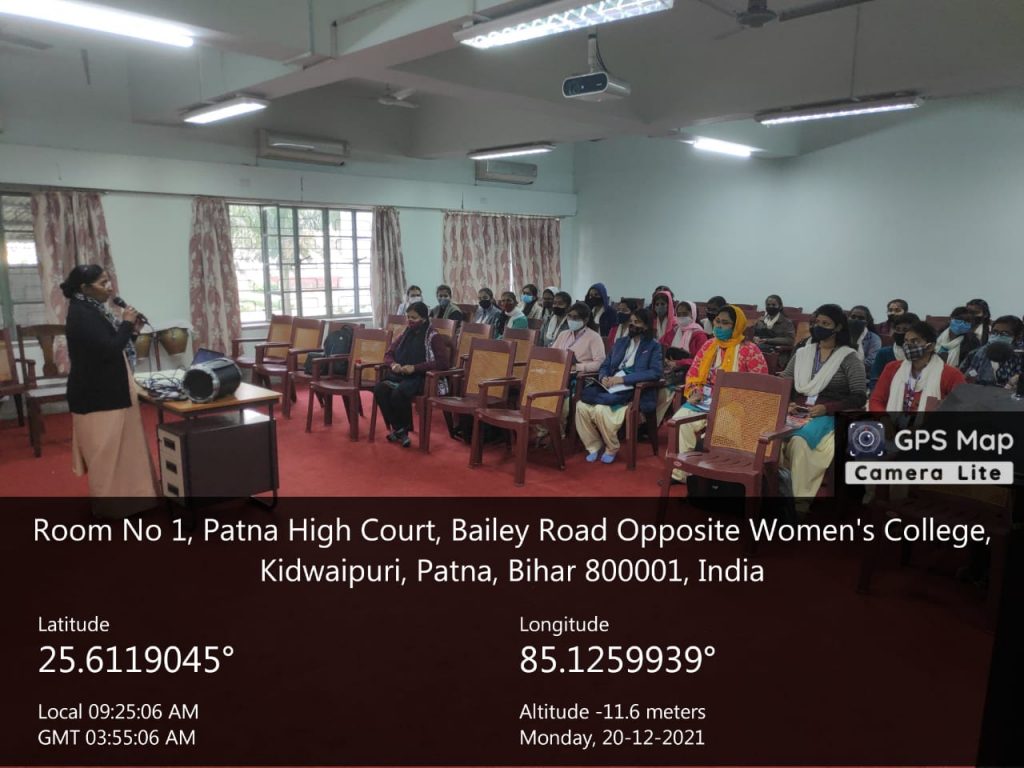
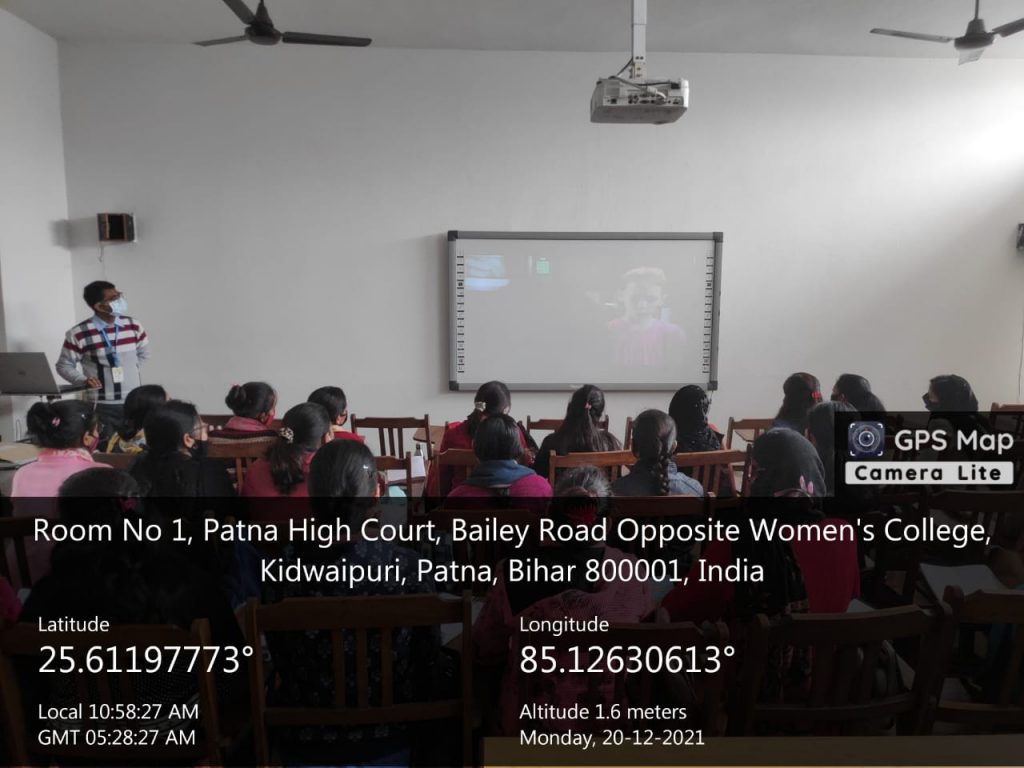
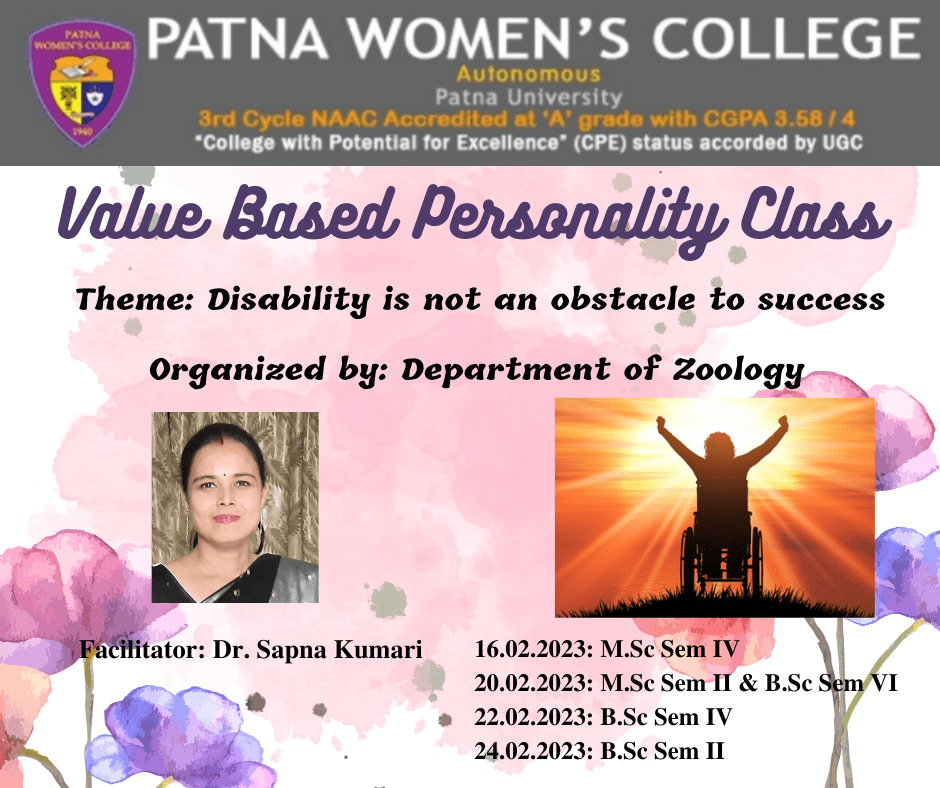
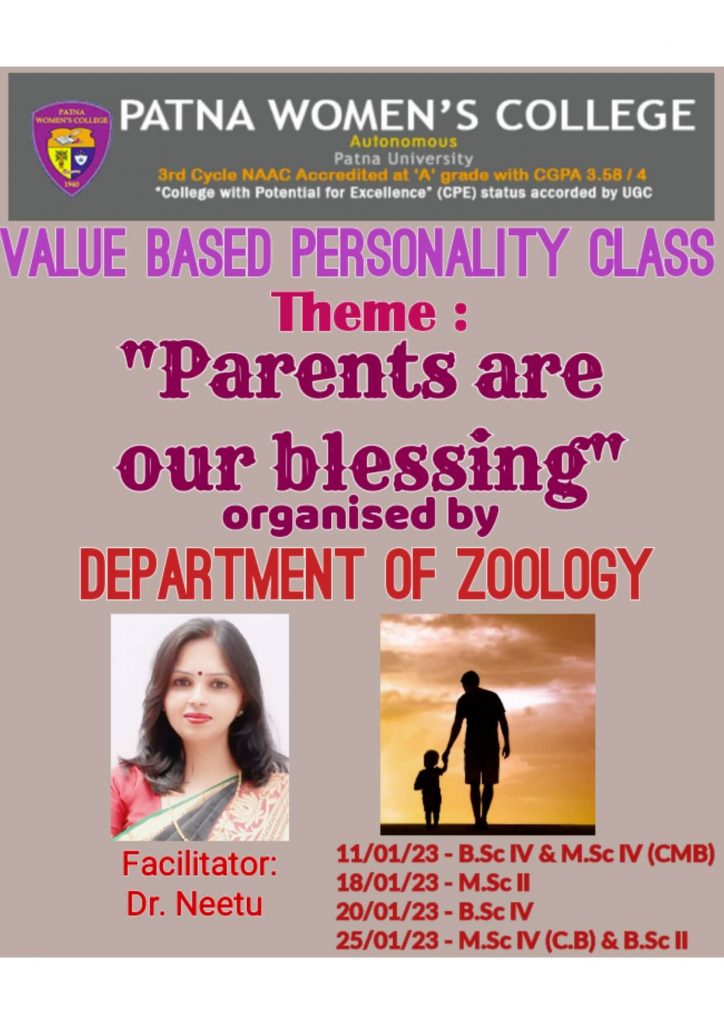
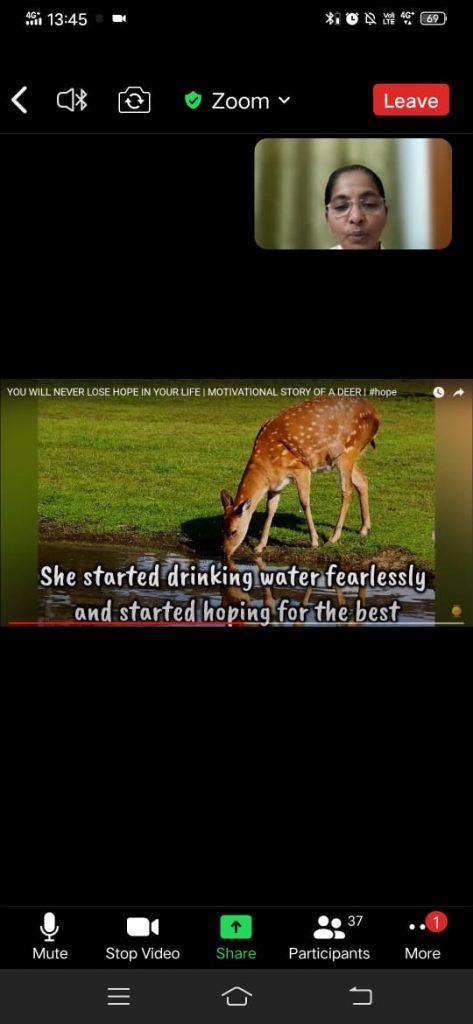
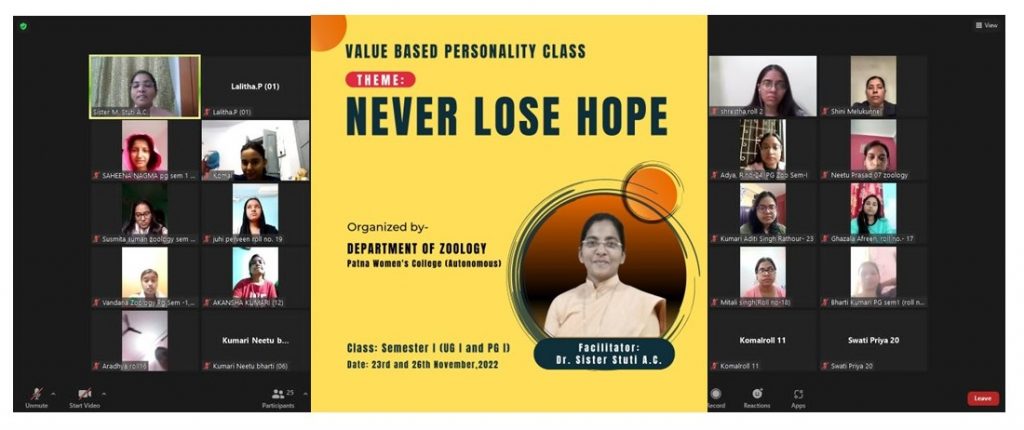
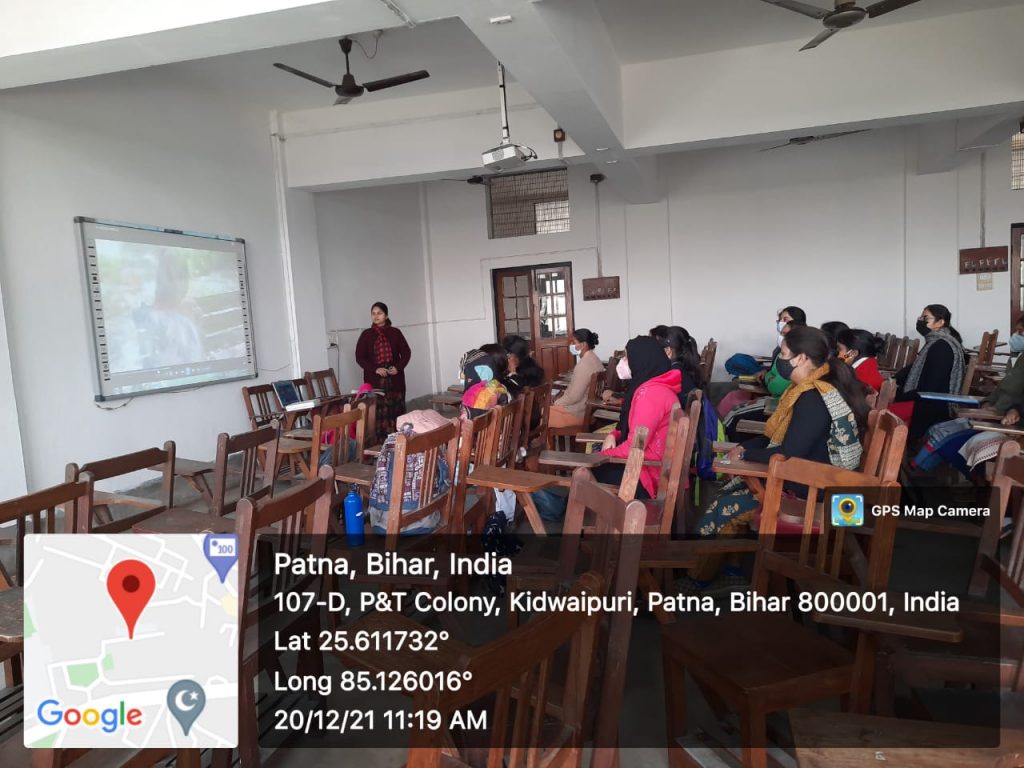
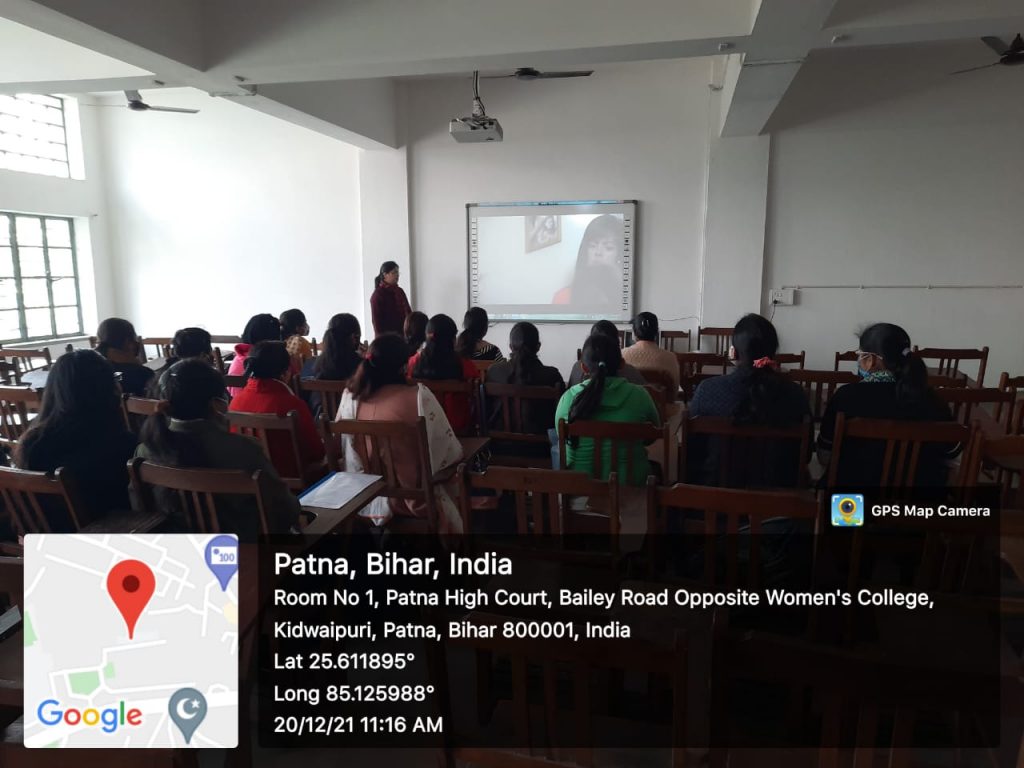
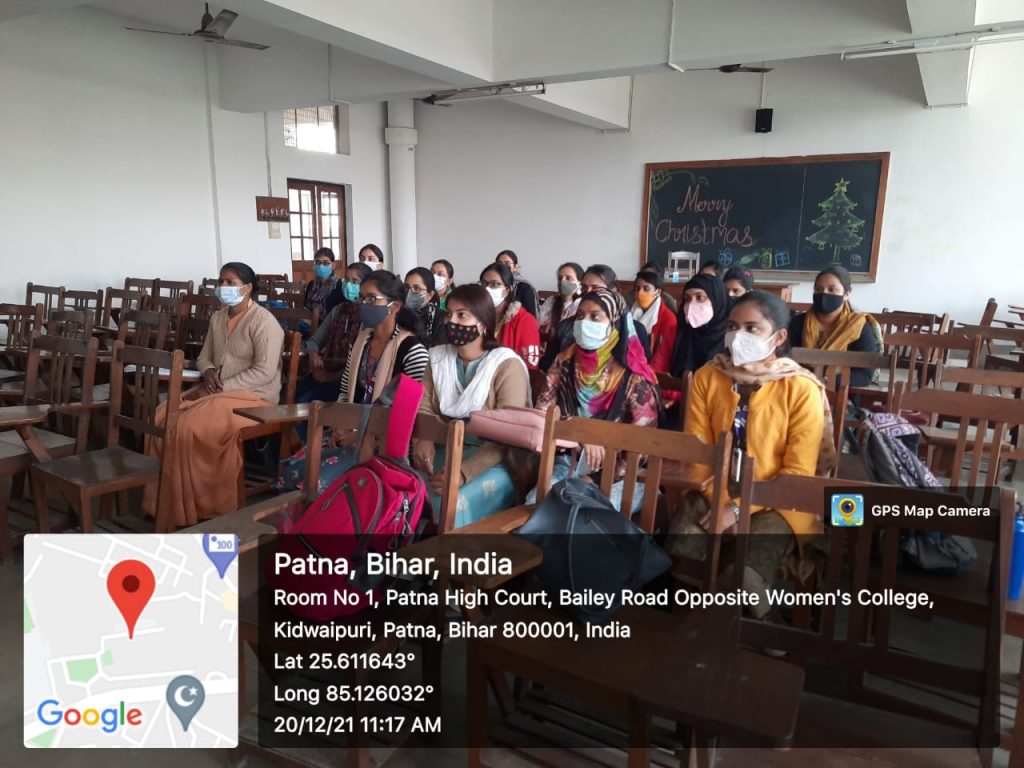
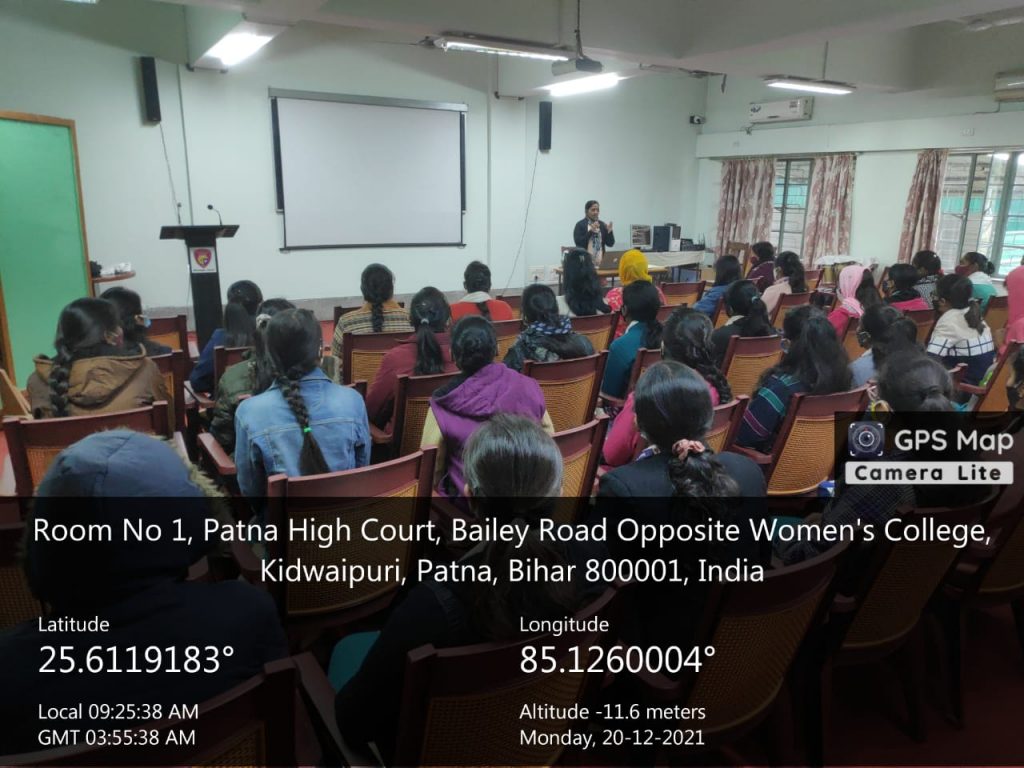
Personality Class For Zoology Students
Date : December 2021
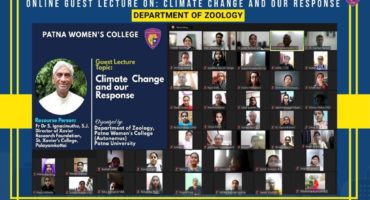
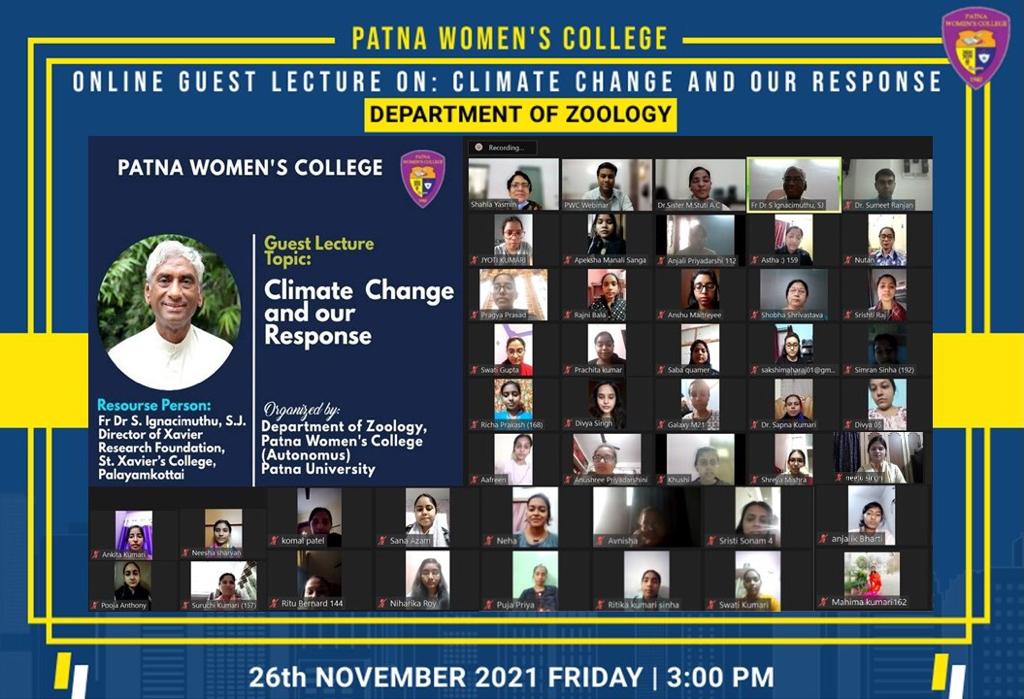
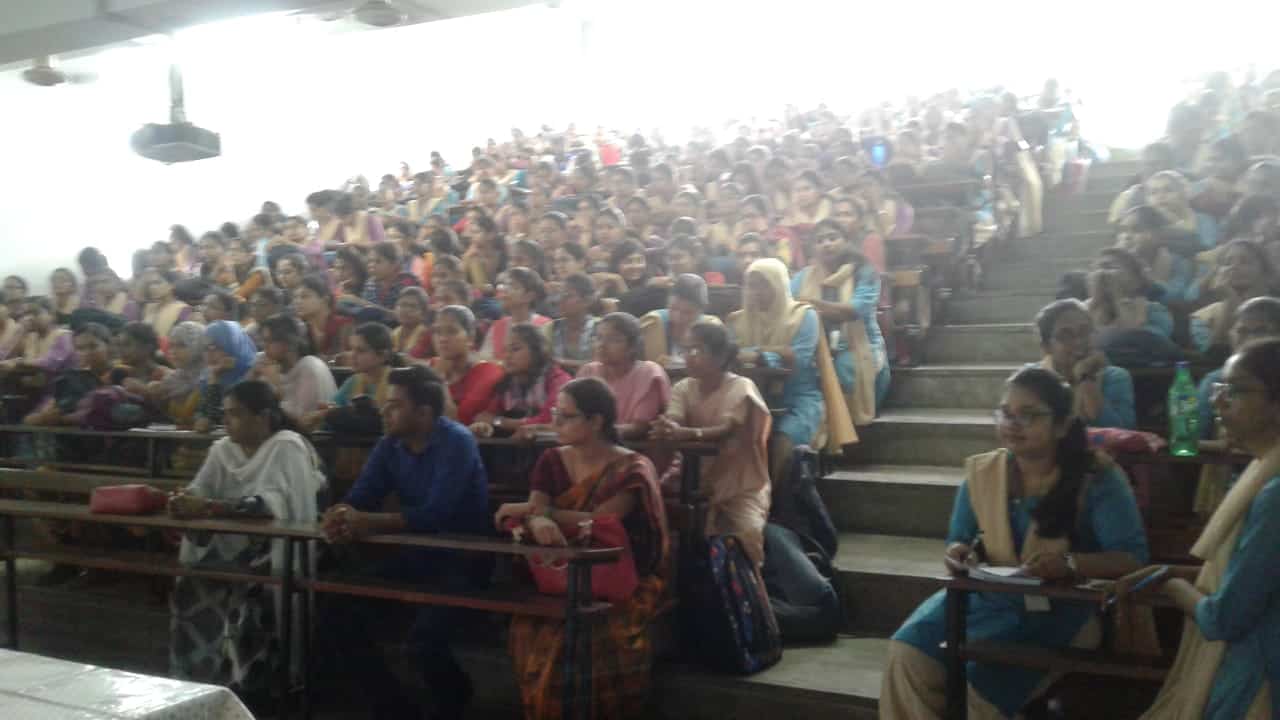
A guest lecture attended by 150 UG and PG students
Date : 26.11.2021
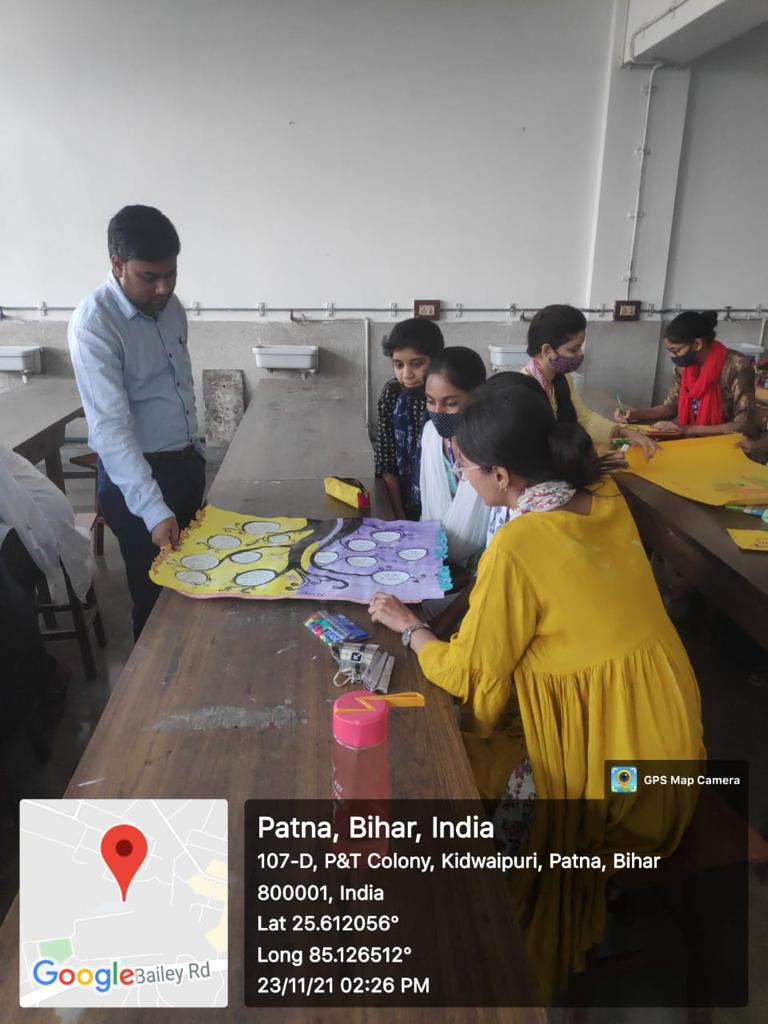
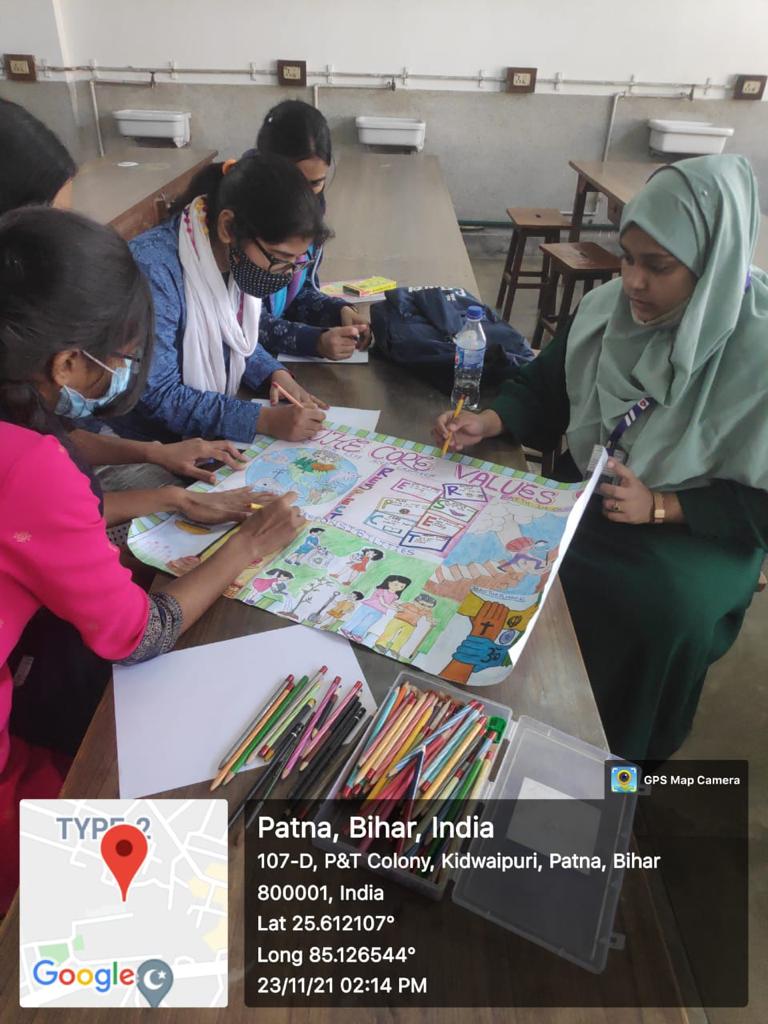

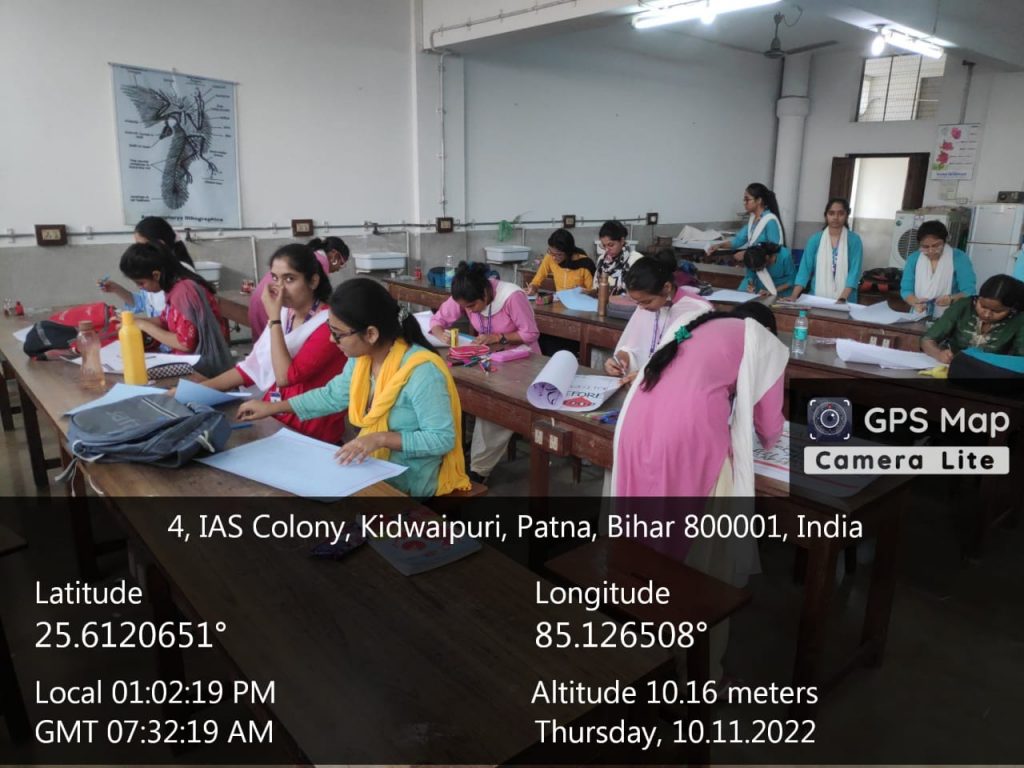
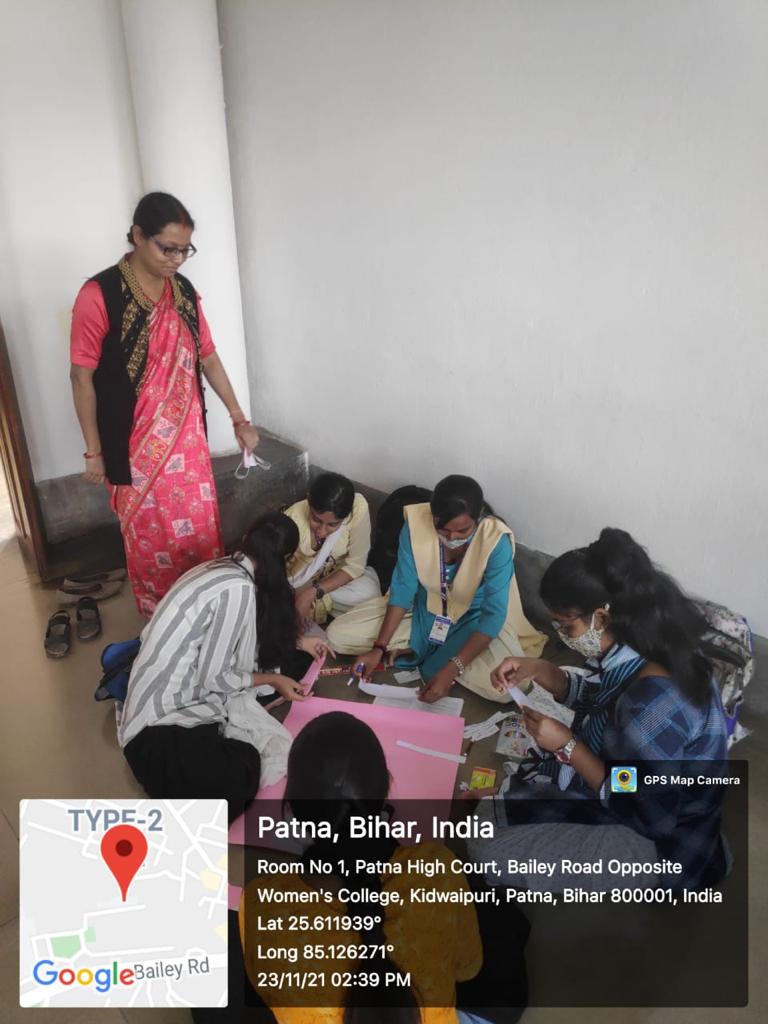
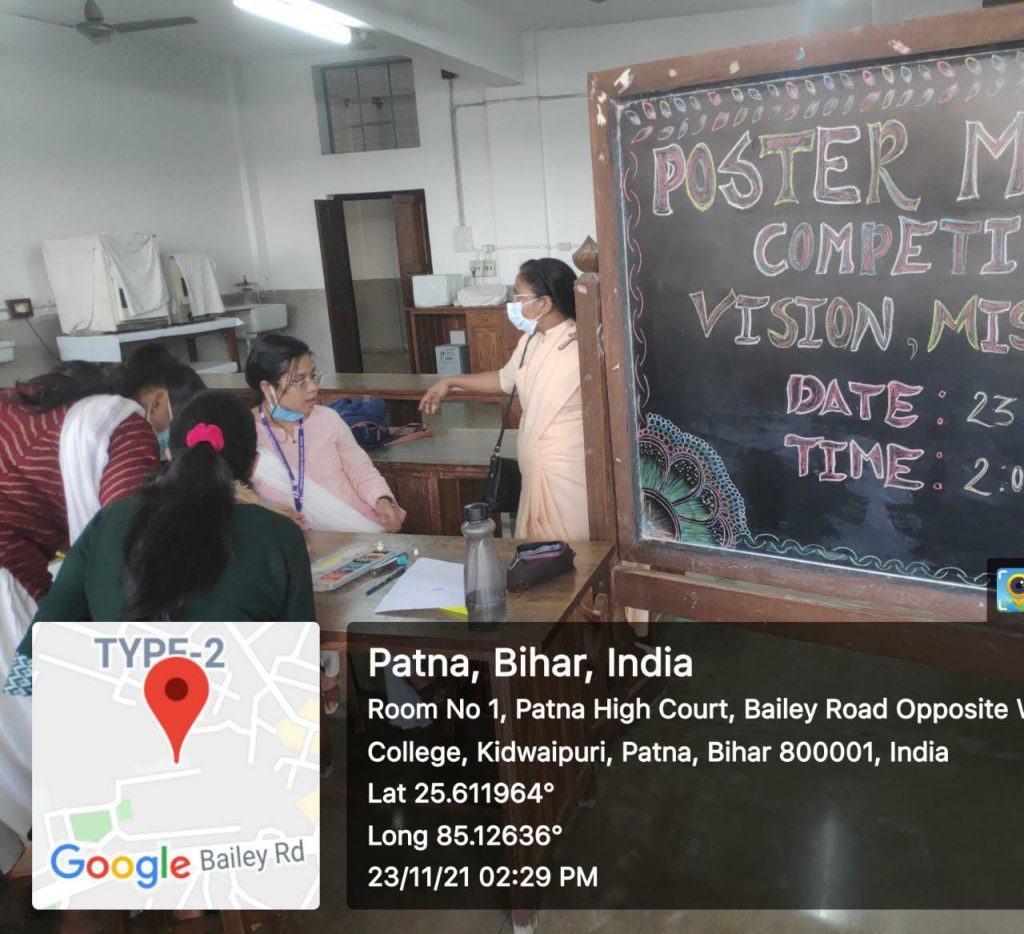
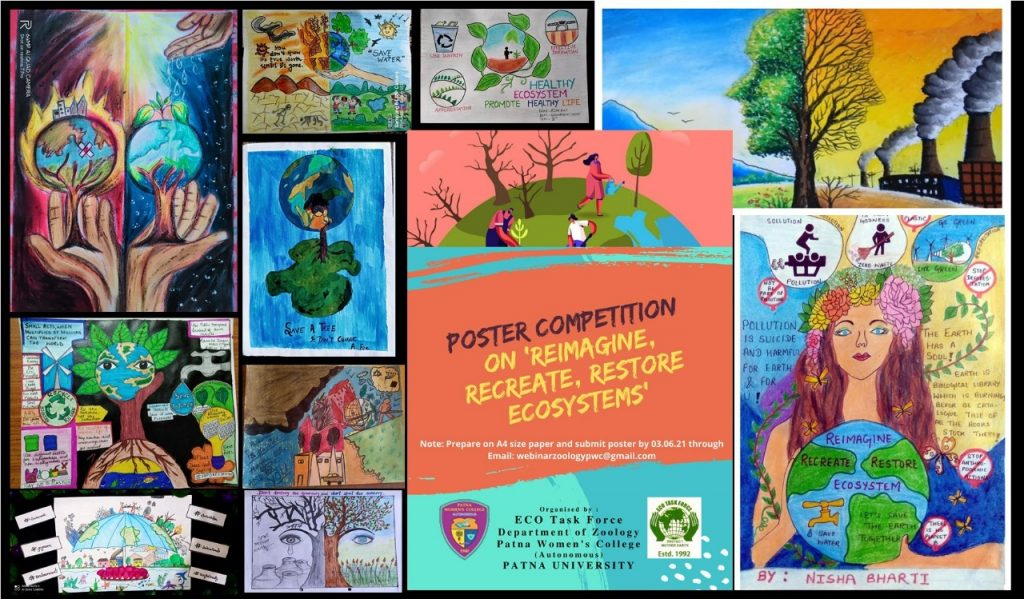
Poster Making Competition on the Vision, Mission and Core Values
Date : 23.11.2021
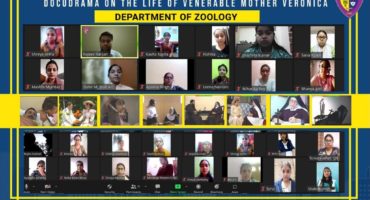
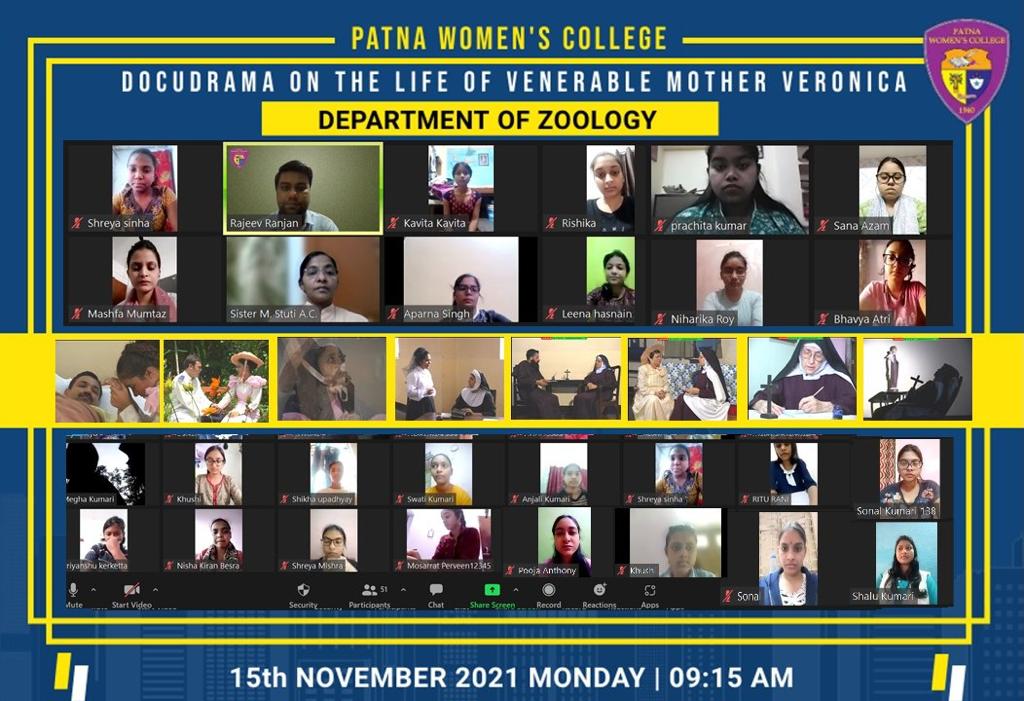
Docudrama on The Life of Venerable Mother Veronica
Date : 15.11.2021
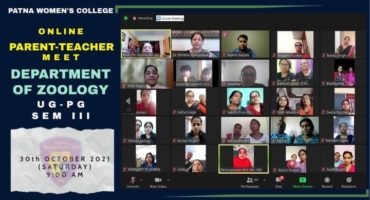
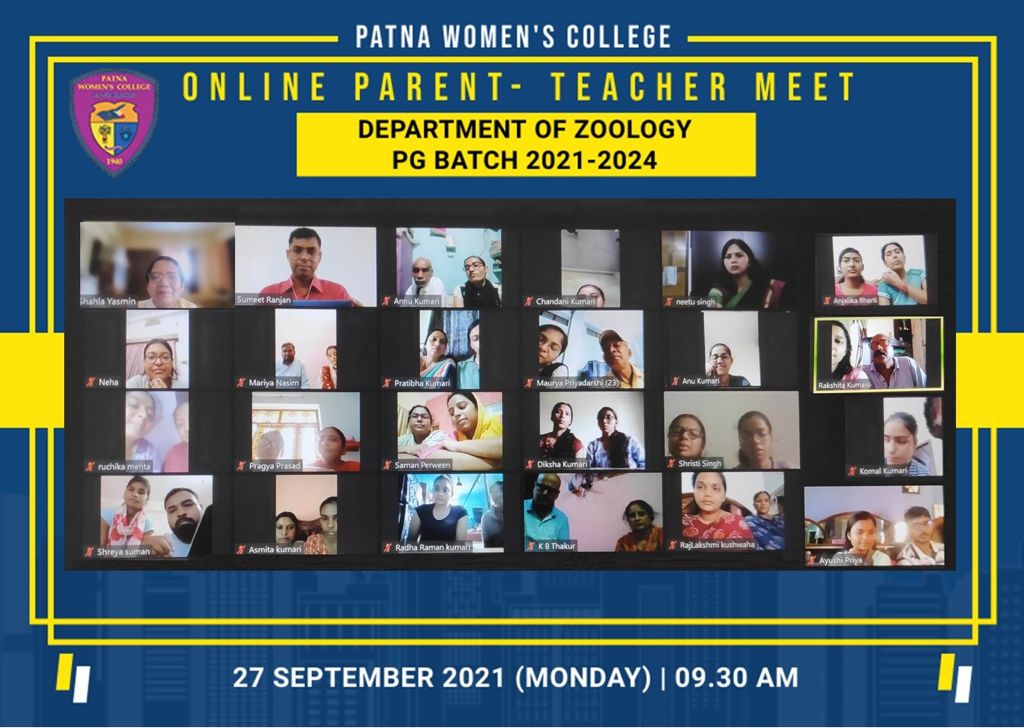
Online Parent's Teacher Meet
Date : 30.10.2021
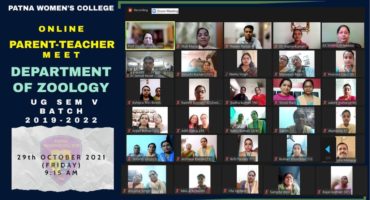
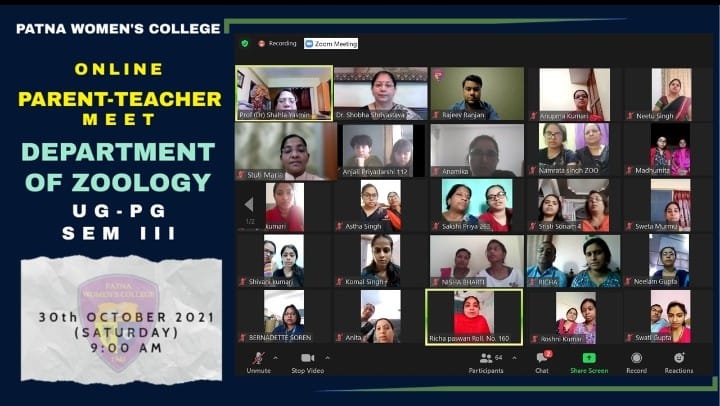
Online Parent's Teacher Meet For The Students of Semester III (UG & PG)
Date : 30.10.2021
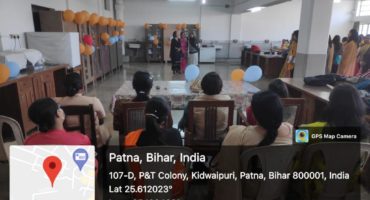
Online Parent's Teacher Meet For The Students of Semester V (UG & PG)
Date : 29.10.2021
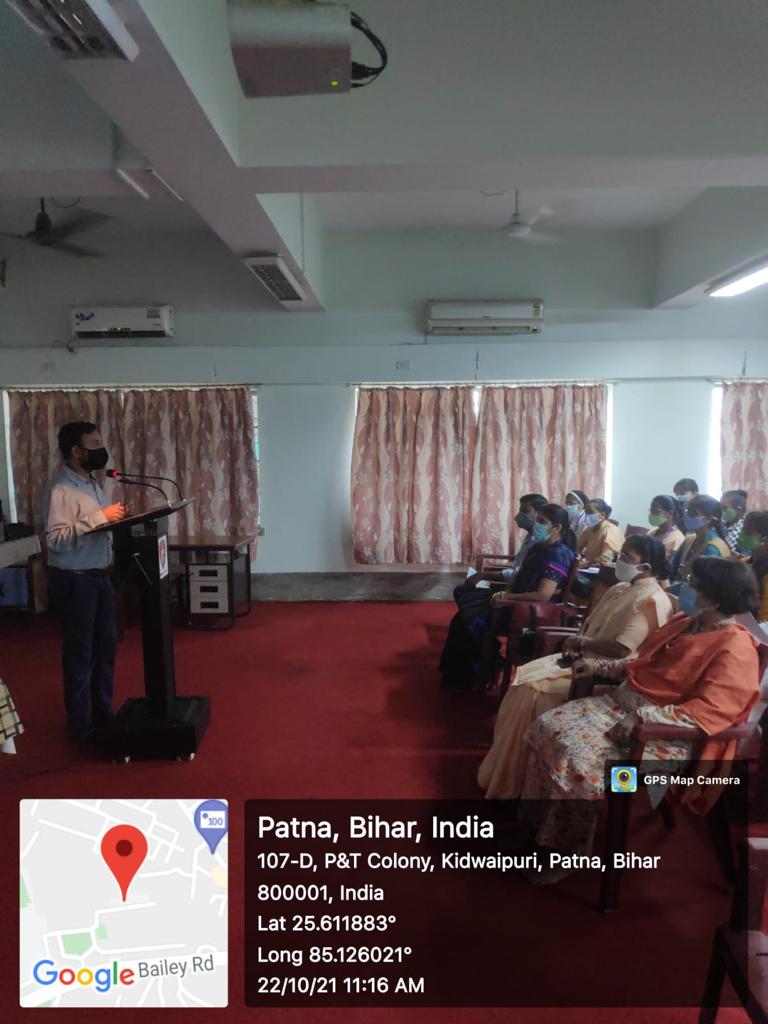
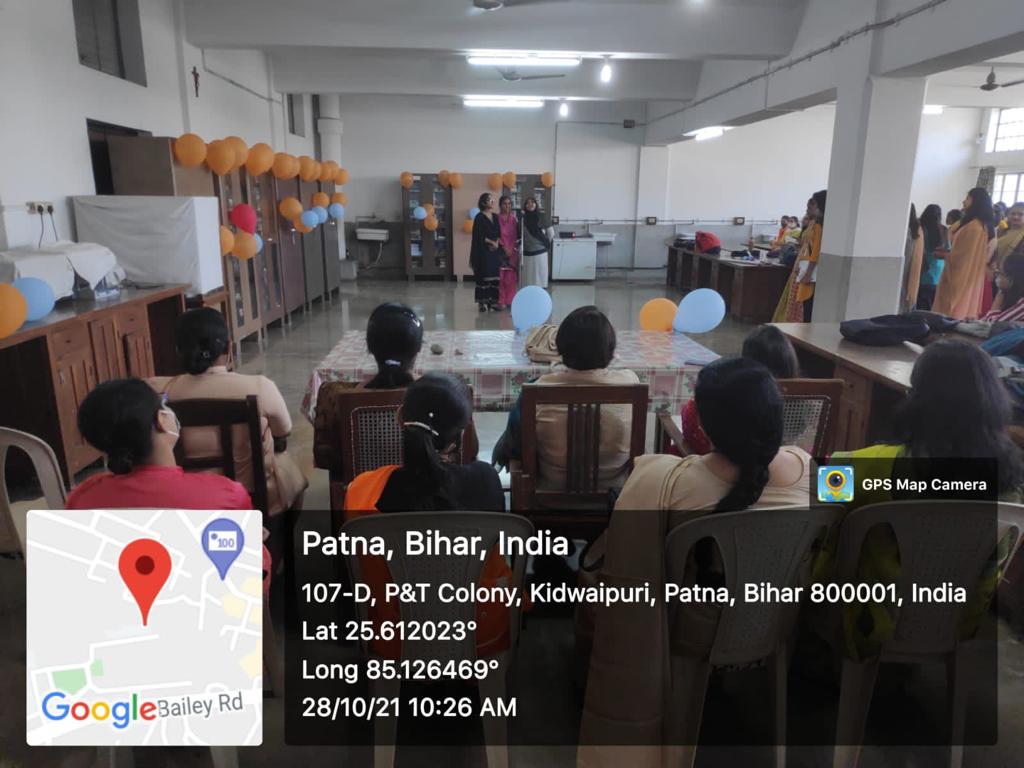
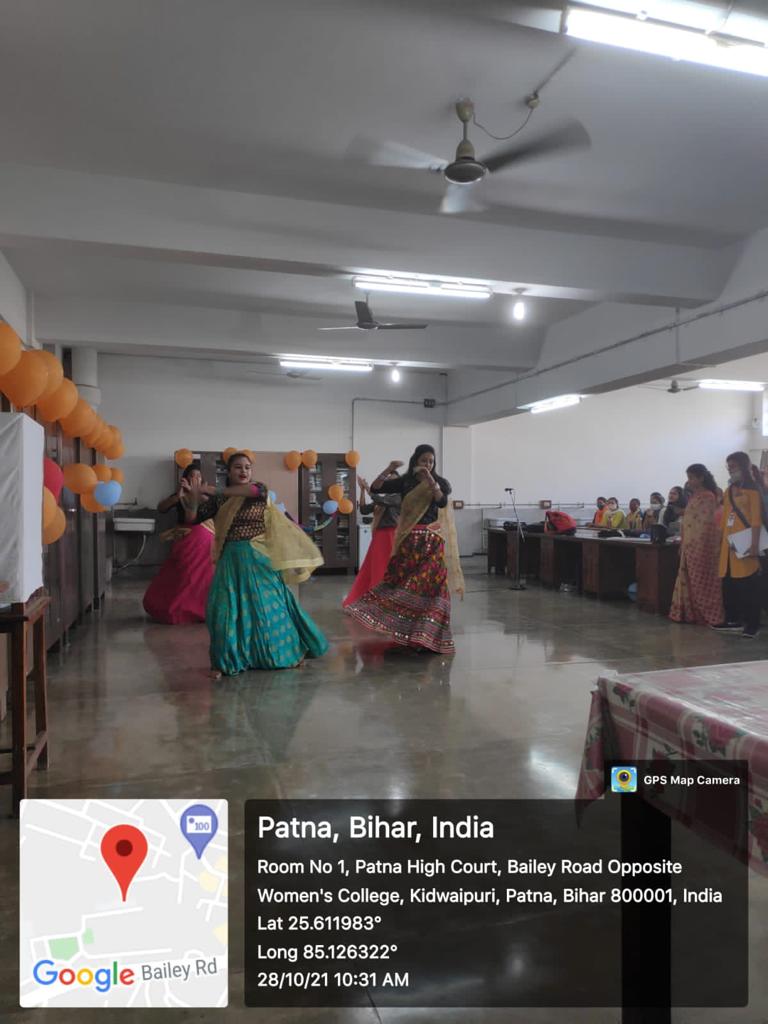
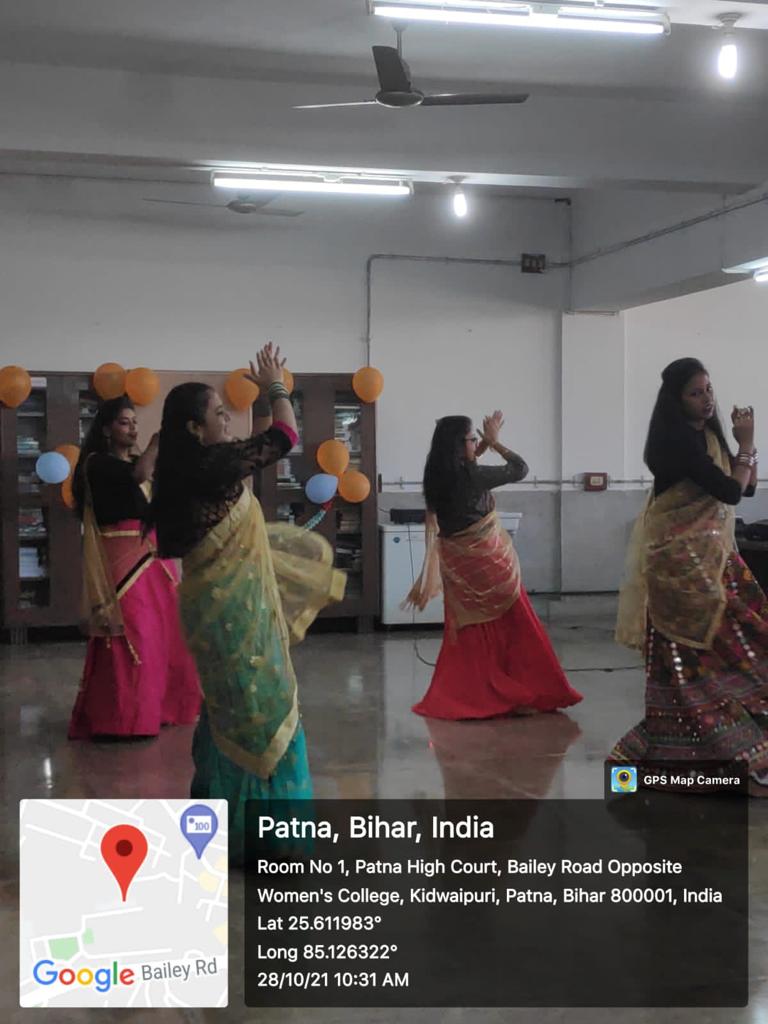
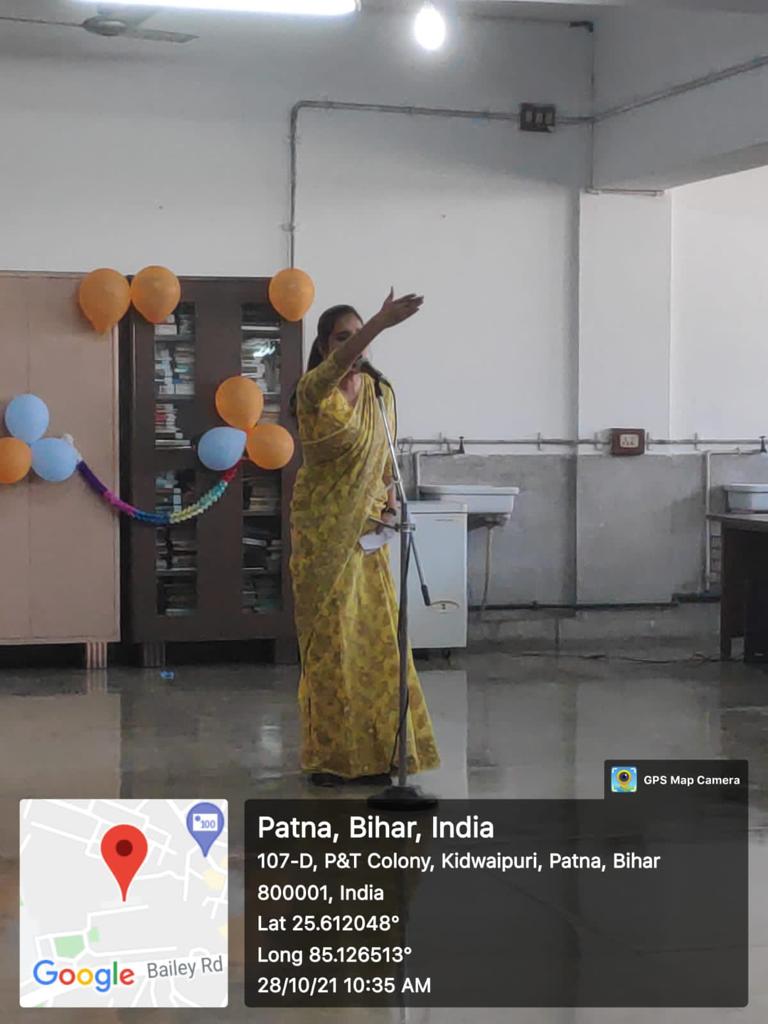
Freshers day programme in Department of Zoology
Date : 28.10.2021
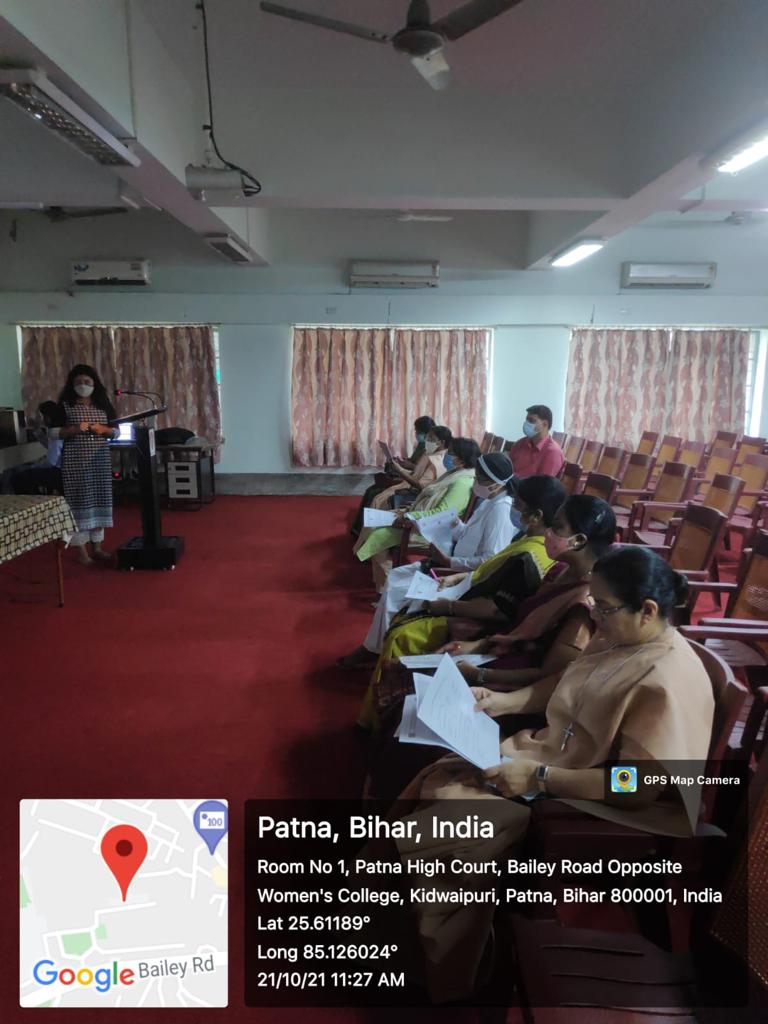
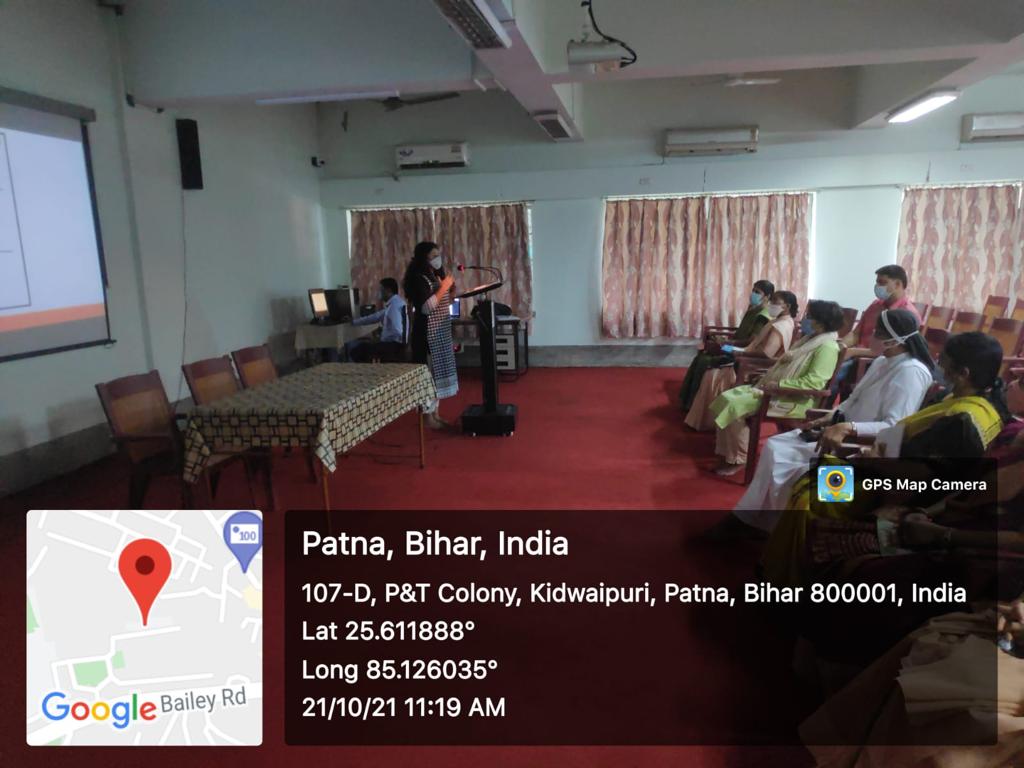
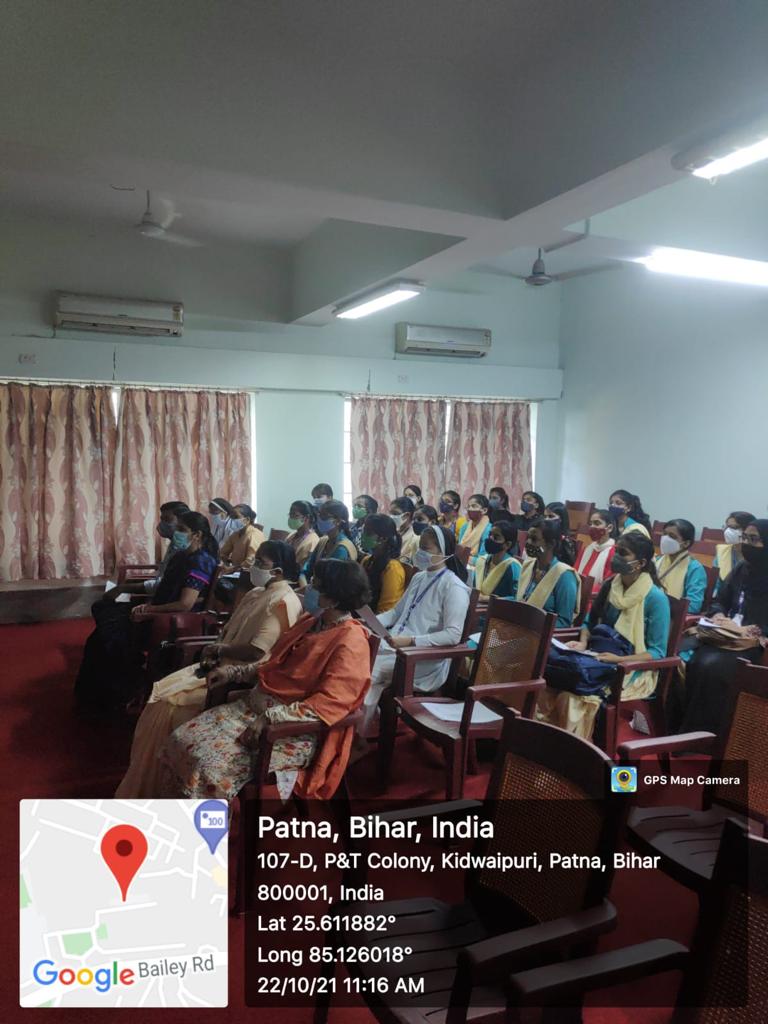
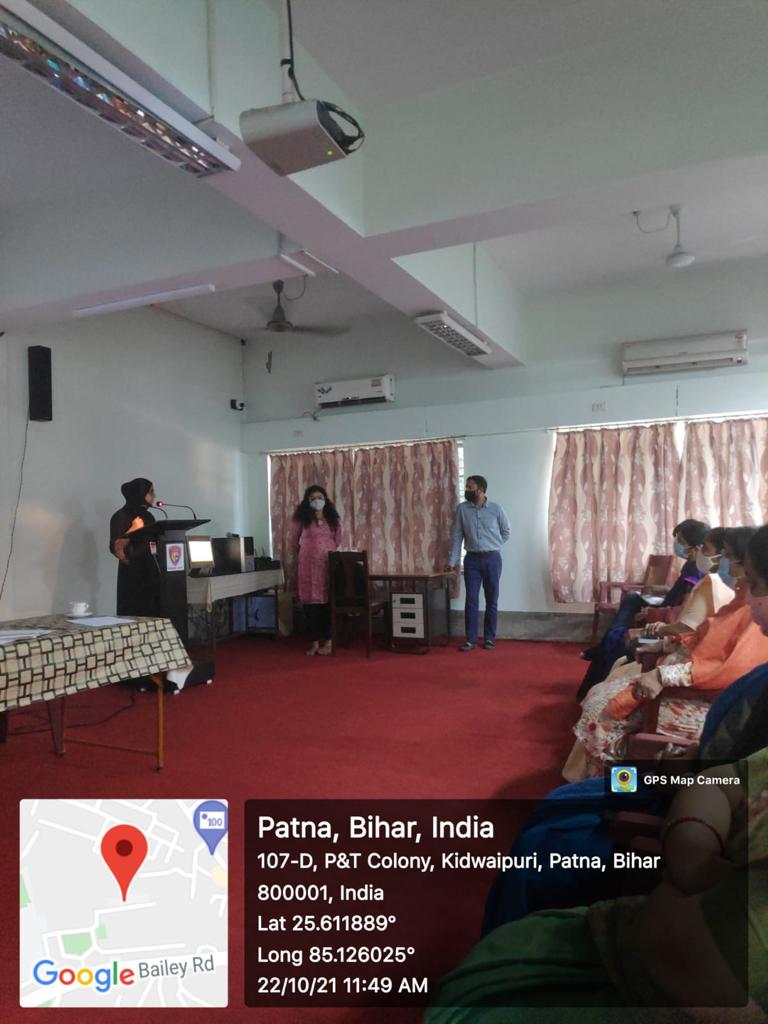
A two day orientation programme was conducted for the Green audit team
Date : 21.10.2021 and 22.10.2021
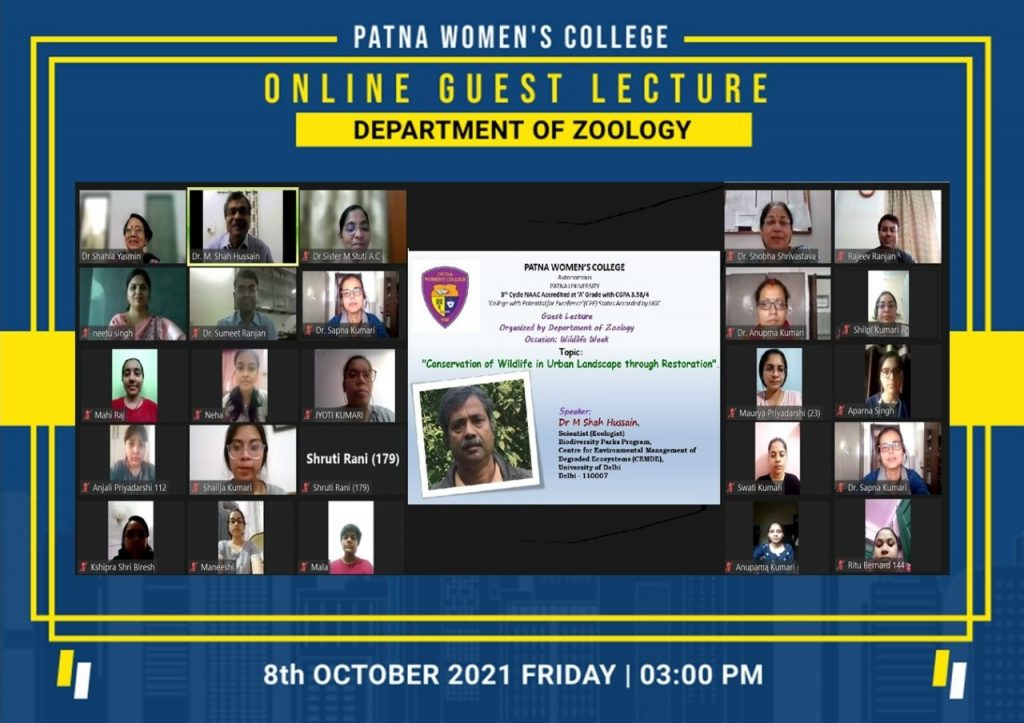
Wildlife Week
Date : 08.10.2021
Wildlife Week
Date : 08.10.2021
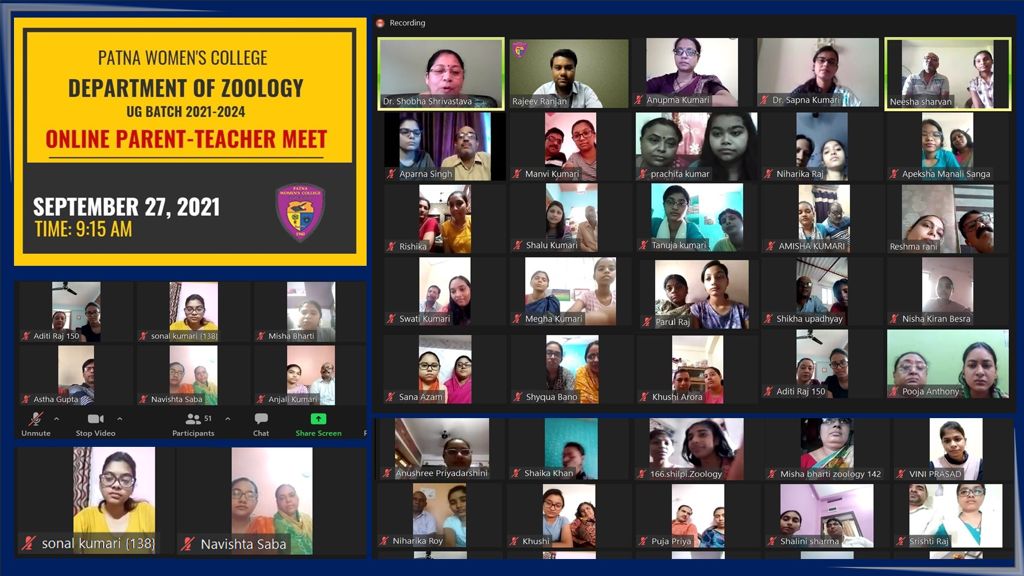
Online Parent's Teacher Meet For The Students of Semester I (UG & PG)
Date : 29.09.2021
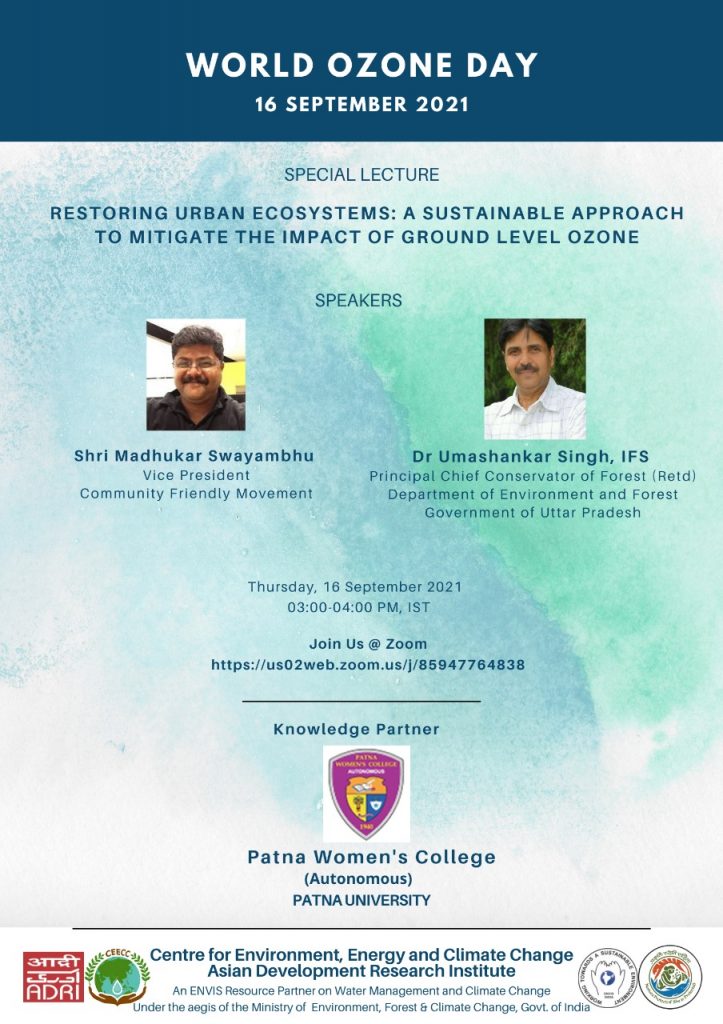
Ozone Day 2021
Date : 16.09.2021
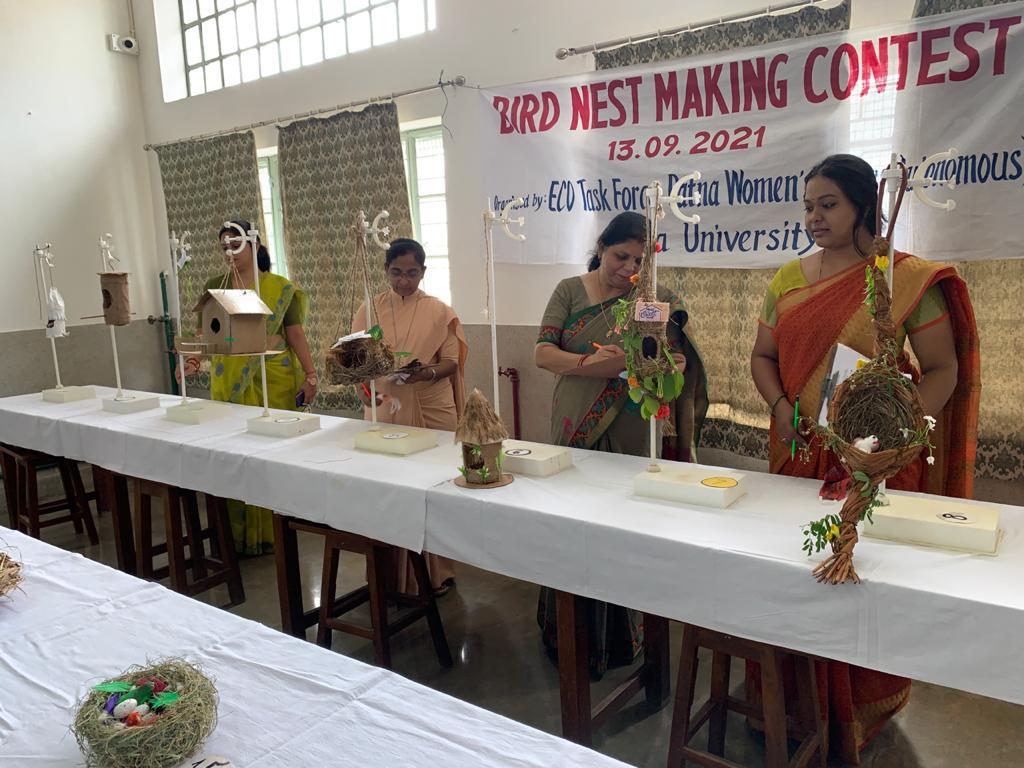
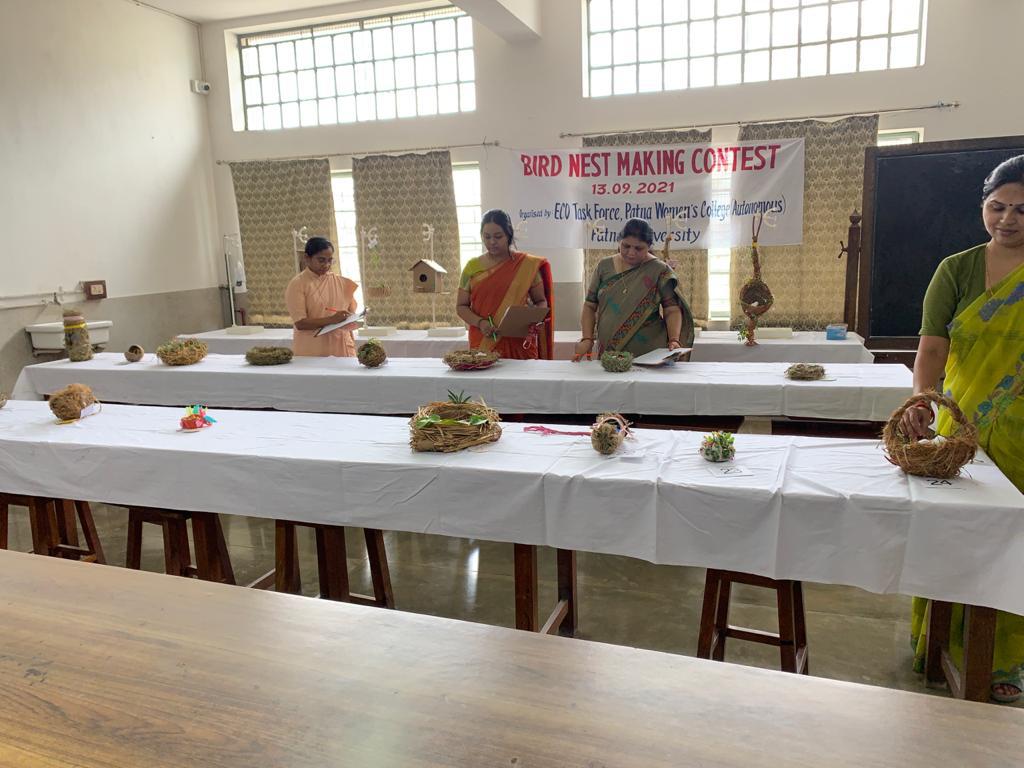
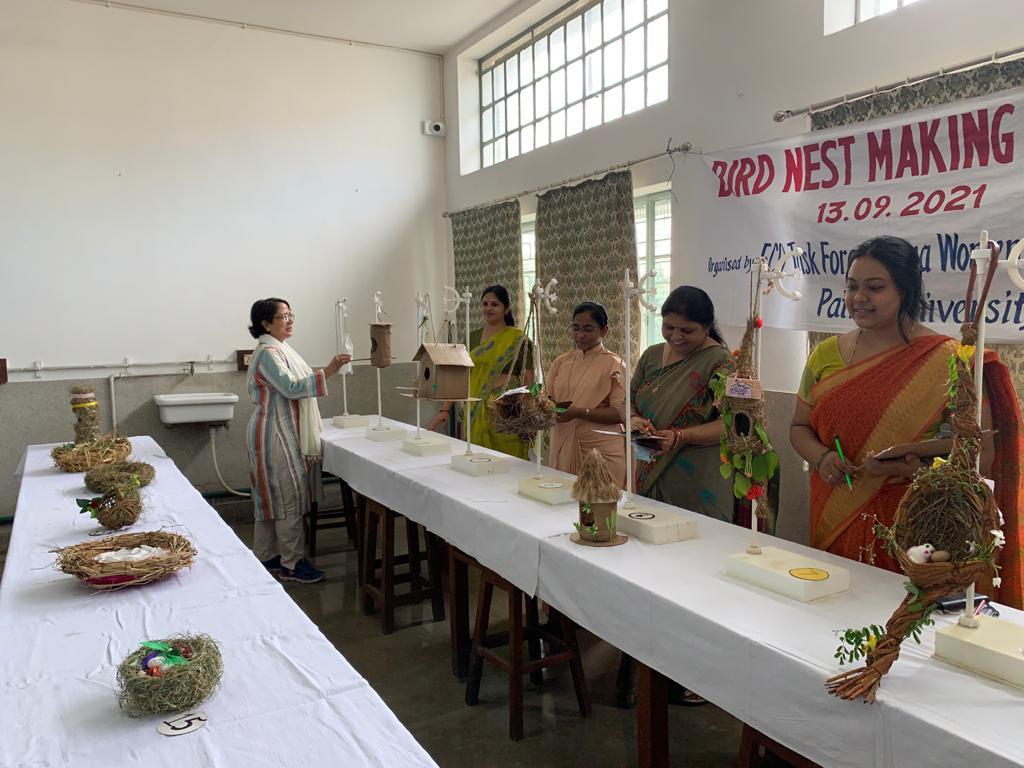
Bird Nest Making Contest
Date : 16.09.2021
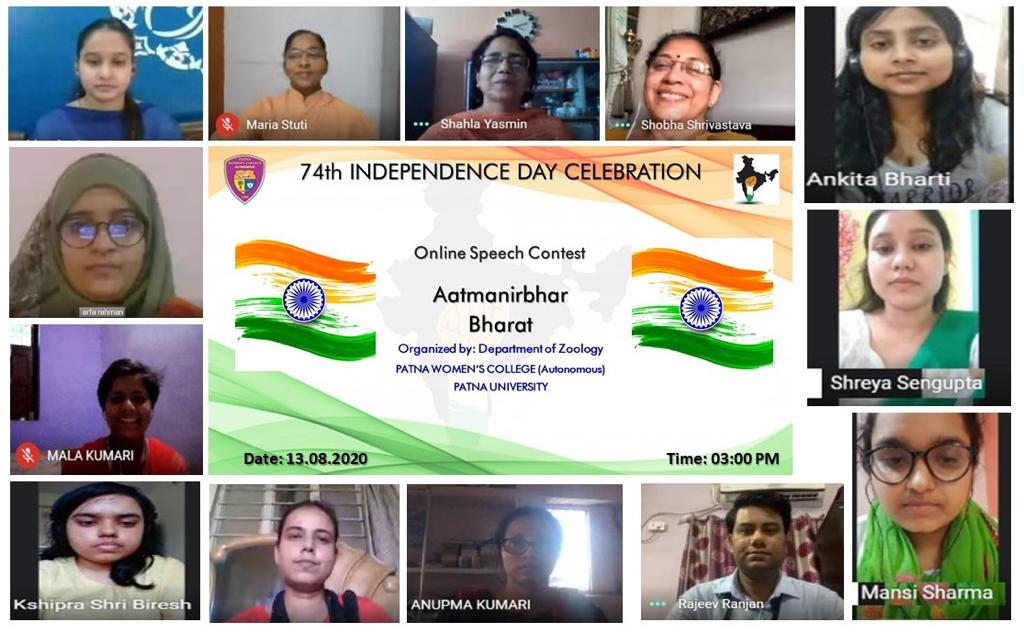
Independence Day
Date : 15.08.2021
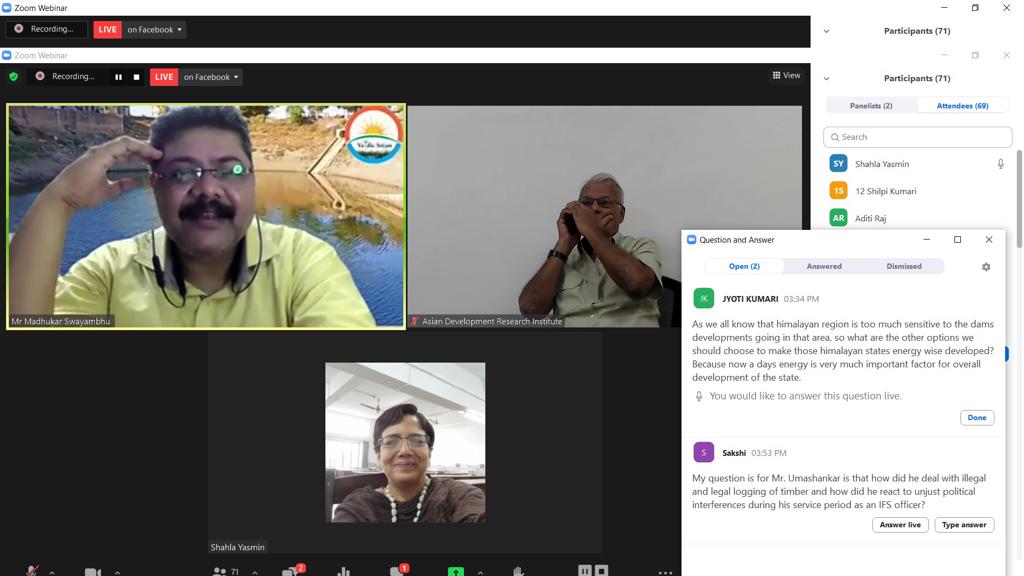
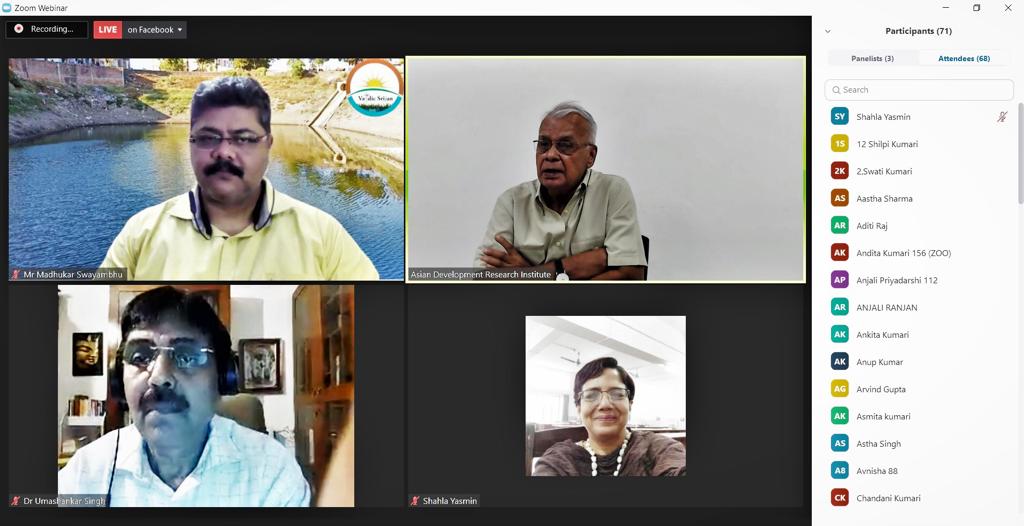
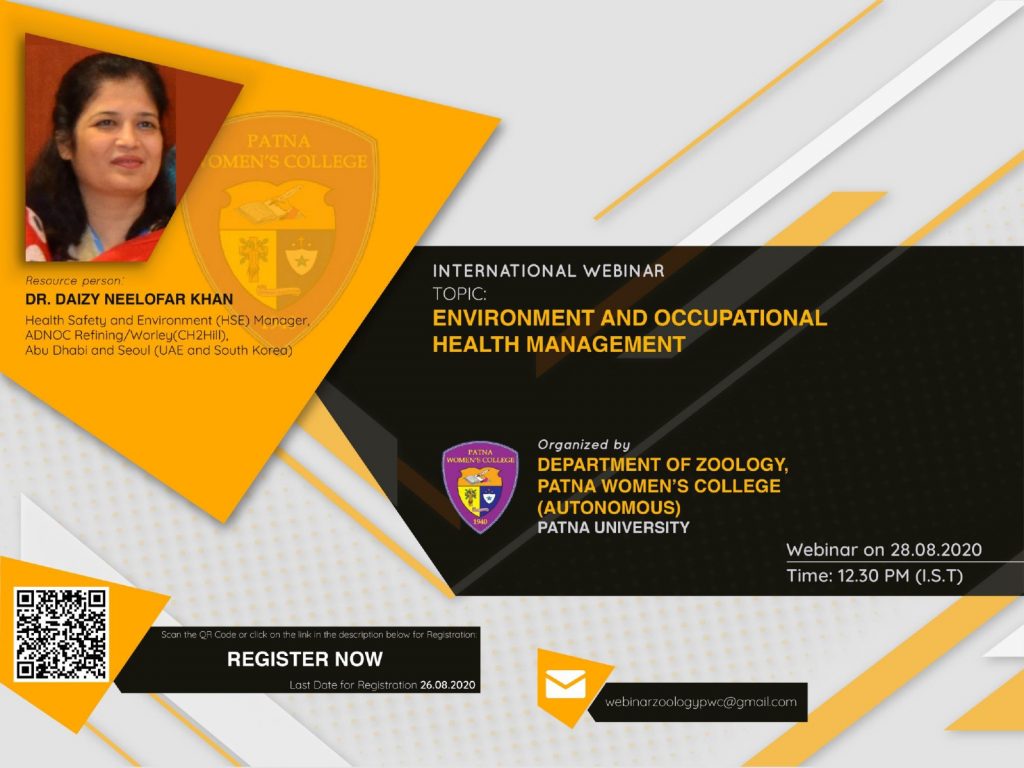
Webinar News
Date : 13.06.2021
2020
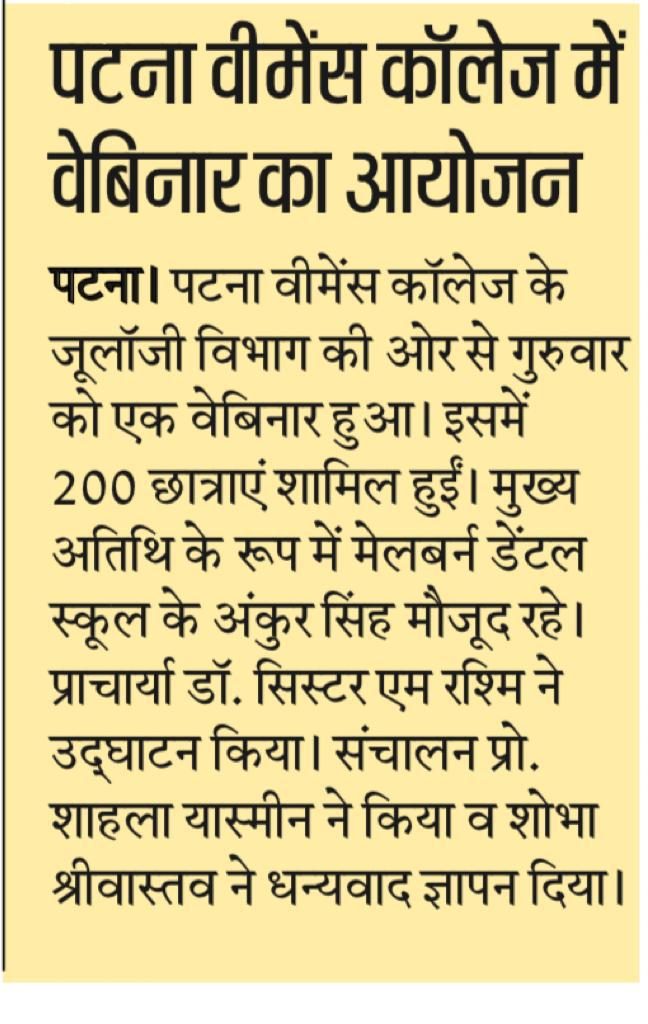
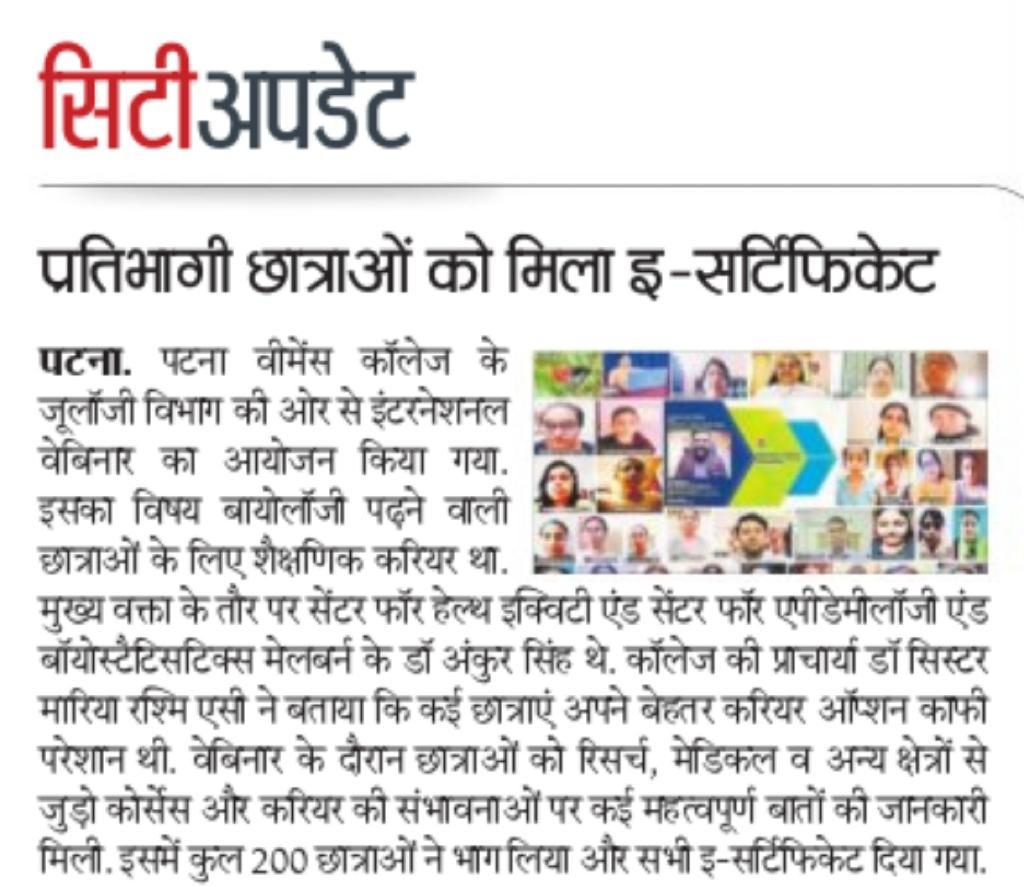
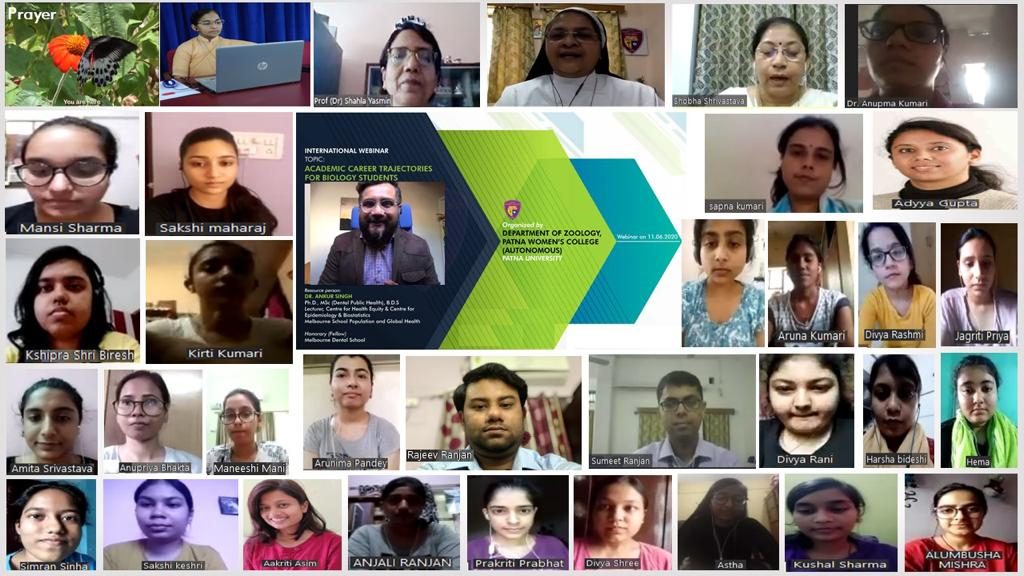
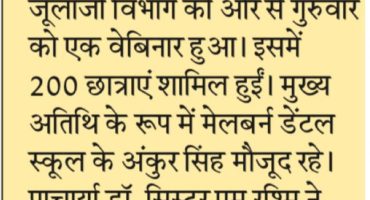
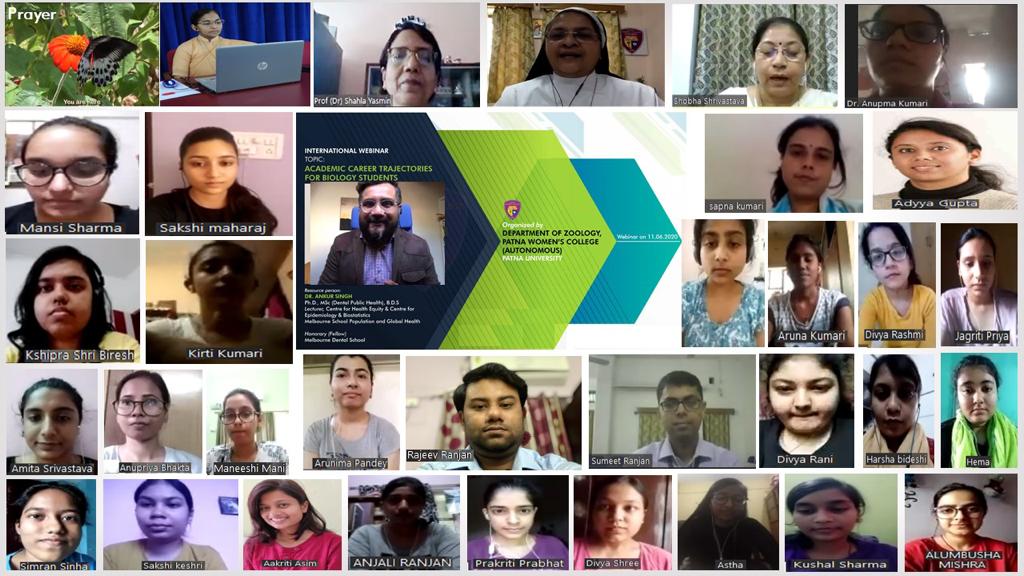
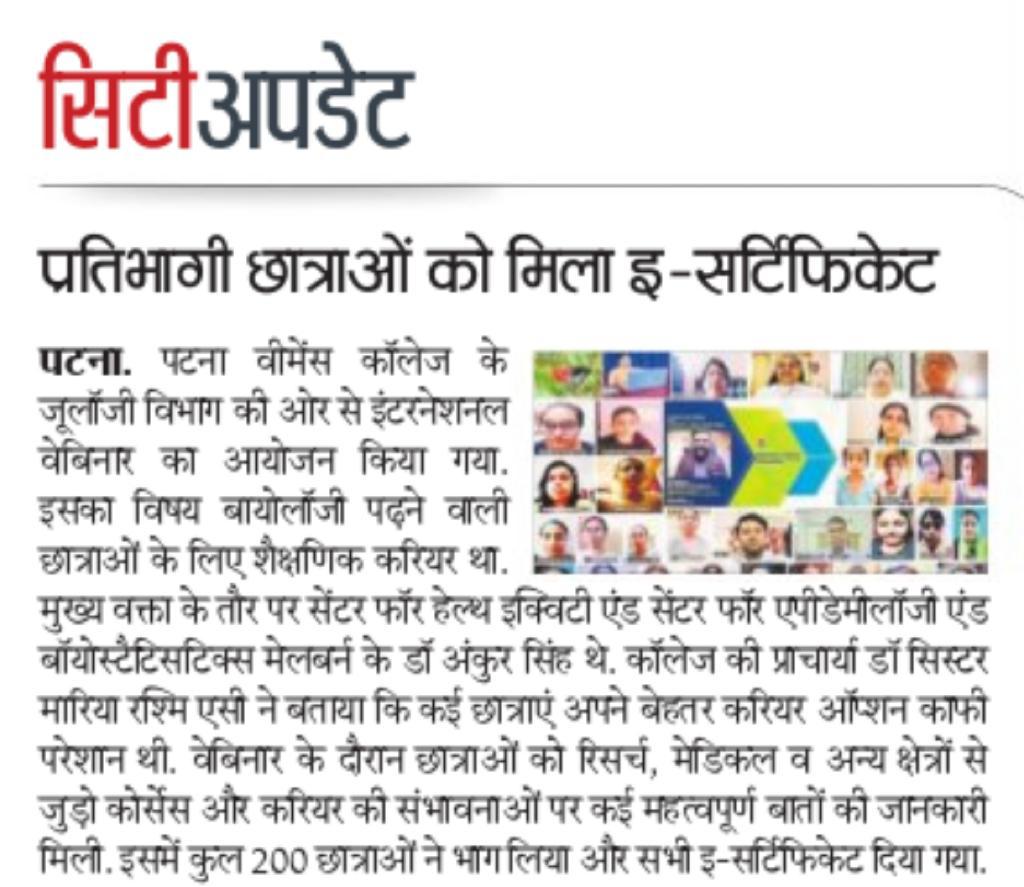
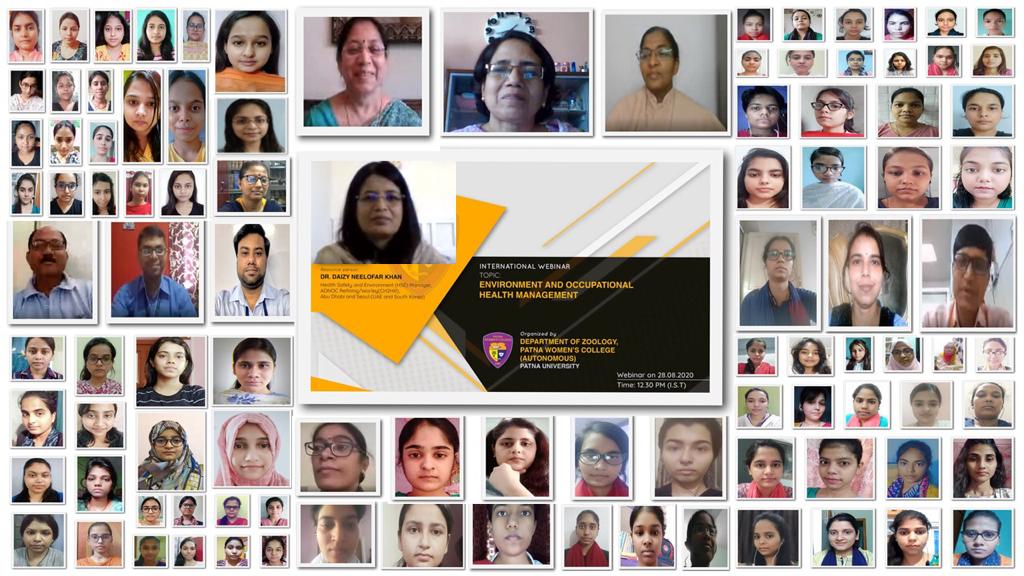
The Department of Zoology, Patna Women’s College, Autonomous, Patna University, Patna organised an International Webinar on the Topic : Academic Career Trajectories for Biology Students on 11.06.20.
The Resource Person was Dr. Ankur Singh, Lecturer, Centre for Health Equity and Centre for Epidemiology and Biostatistics, Melbourne School Population and Global Health, Honorary(Fellow) Melbourne Dental School.
More than 200 students from various states of India actively participated in the Webinar. E-certificates were given to all the participants.
Dr. Sister Rashmi AC, Principal, Patna Women’s College,Autonomous addressed the participants of the Webinar. Prof.(Dr.) Shahla Yasmin, Head, Department of Zoology and Dean, Science Faculty, PWC introduced the Guest Speaker and the topic of the Webinar. Vote of thanks was proposed by Dr. Shobha Shrivastava, Associate Professor, Department of Zoology.

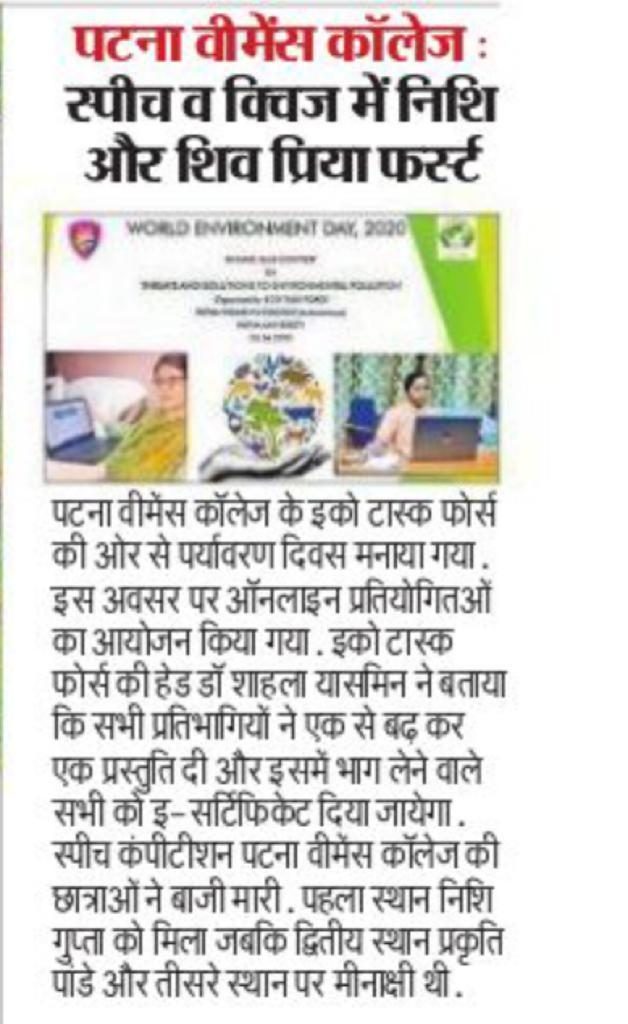
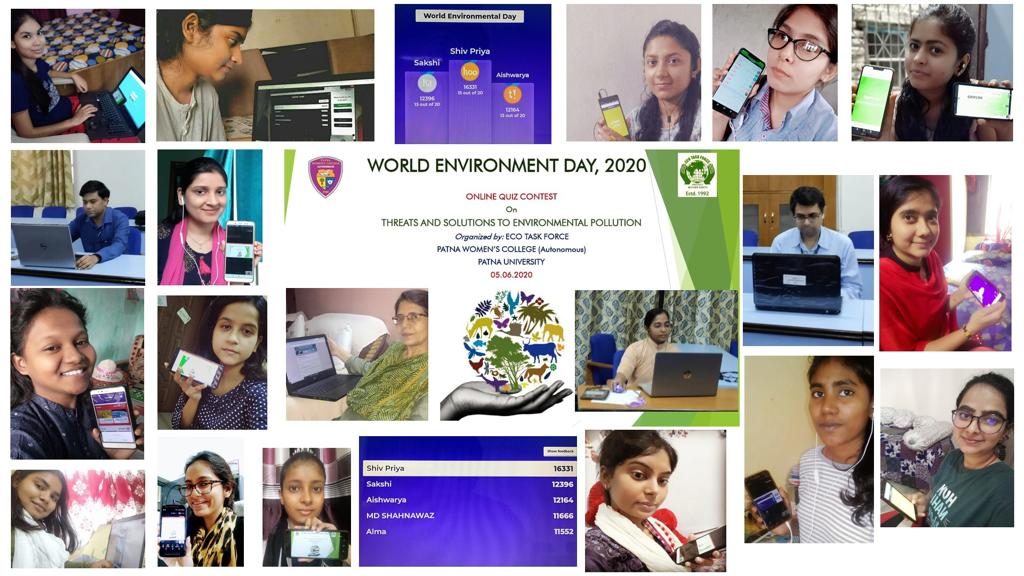
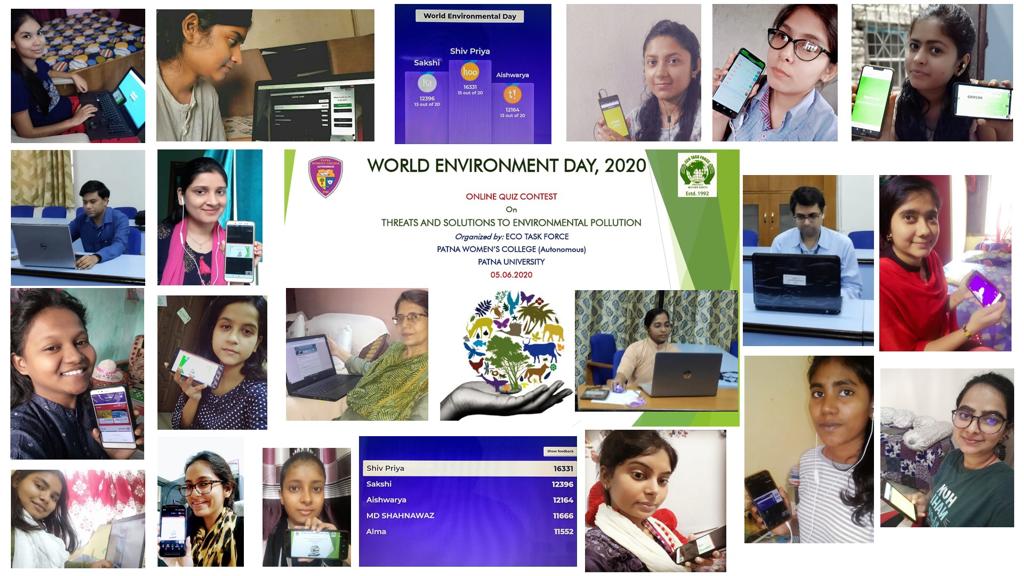
World Environment Day .
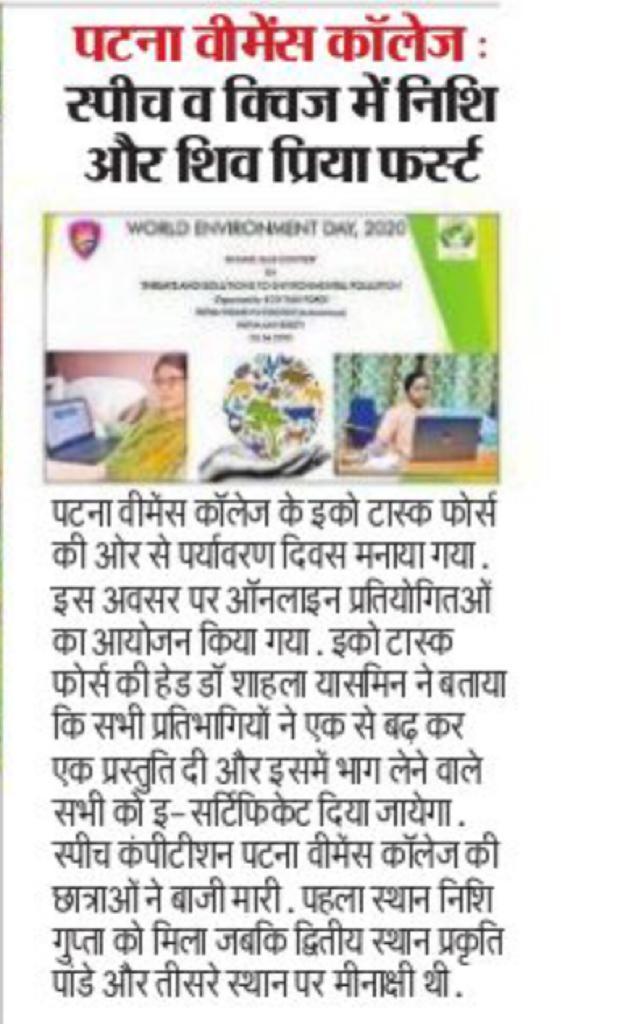
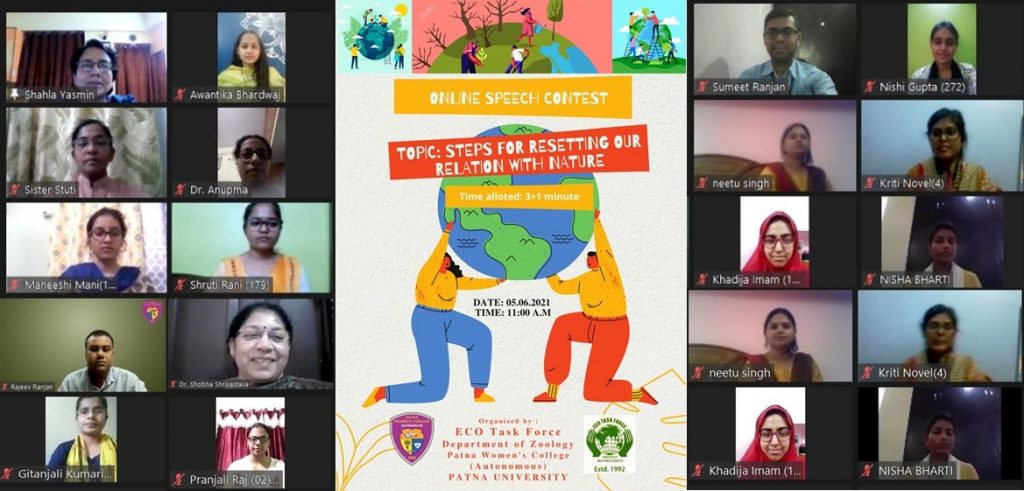
On the occasion of World Environment Day, (05.06.20) the ECO Task Force, Patna Women’s College , Autonomous, Patna University , organised a Speech Contest on the Theme : ‘Positive and Negative Impacts of Lockdown on Environment,The Prize Winners are:
| Position | Name | Department |
|---|---|---|
| First | Nishi Gupta | BA |
| Second | Prakriti Pandey | Economics |
| Third | Maneeshi Mani , Poorvi Gupta, | Zoology , Sociology |
| Consolation | Komal Kumari , Swati Singh | Sociology , Zoology |
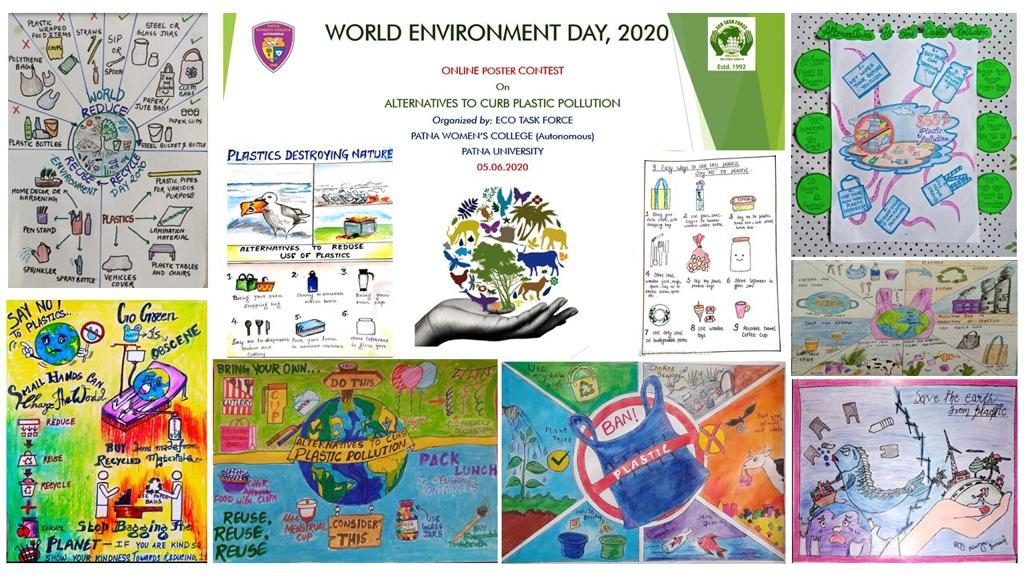
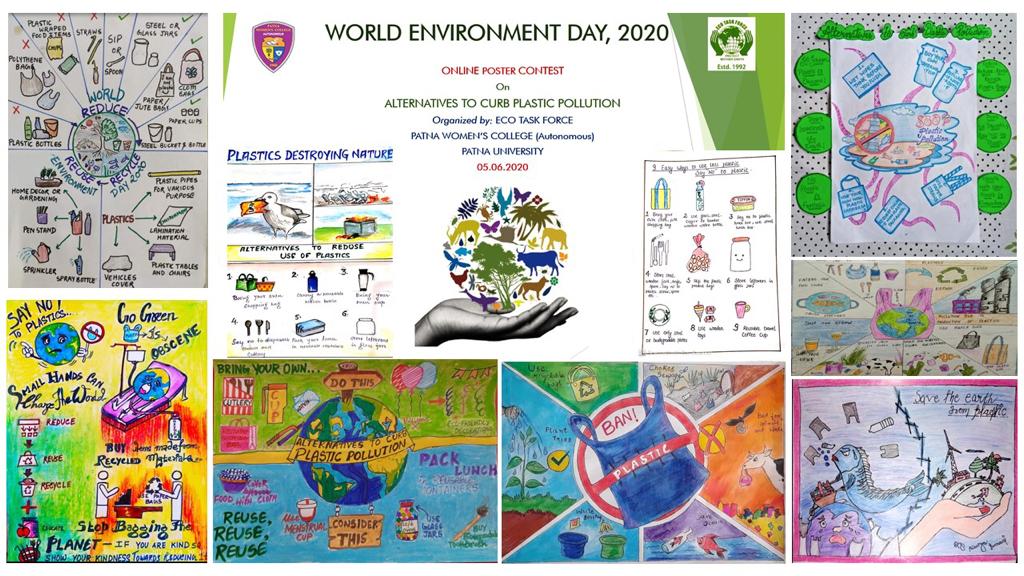
On the occasion of World Environment Day, (05.06.20)the ECO Task Force, Patna Women’s College,Autonomous,Patna University, organised Poster Competition on the Theme : ‘Alternative to curb Plastic Pollution ‘.
86 students of various departments of PWC participated.
The Prize Winners are :
| Position | Name | Department |
|---|---|---|
| First | Tripti Chaurasia | Mathematics |
| Second | Urvi Swami | Zoology |
| Third | Nibha Singh | Botany |
| Consolation | Purnima , Tripti Choudhary | Zoology , Microbiology |
2019
World Environment Day
- Undergraduate students carry out research projects under the CPE and BSR schemes of UGC.
- There are facilities for carrying out research for Ph.D.
- Thrust areas for research are Ecotoxicology, Environment and Human Health and Histopathology.
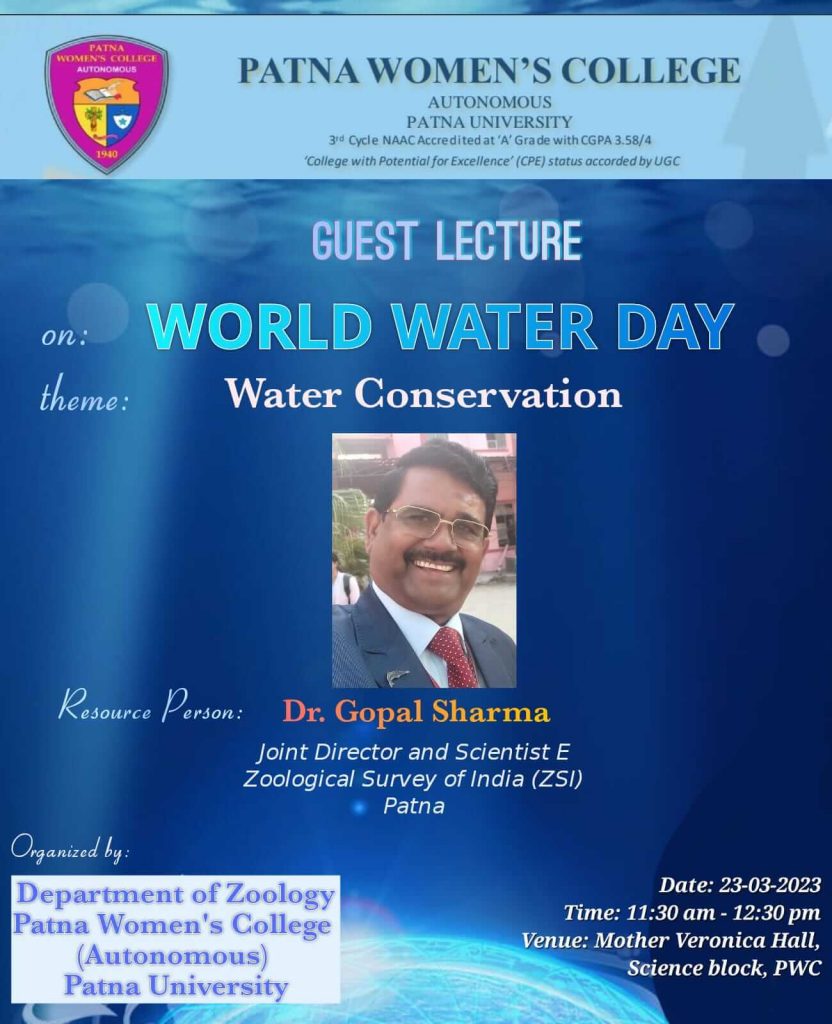
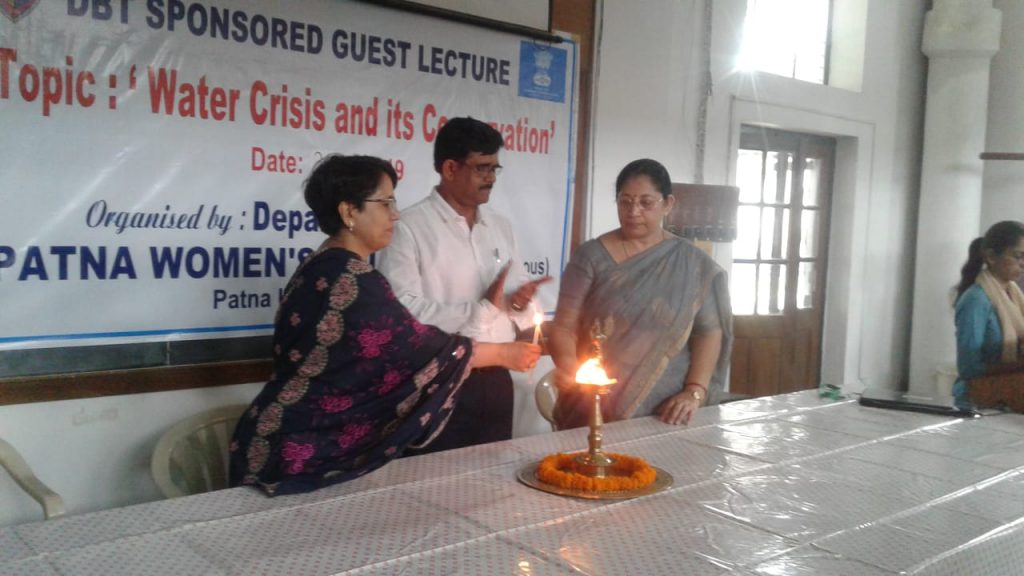
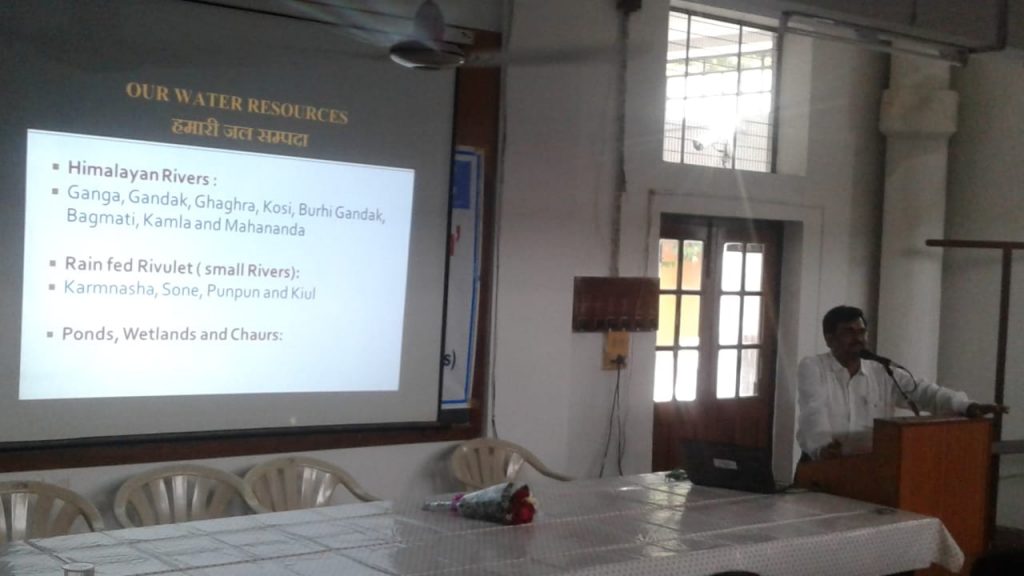
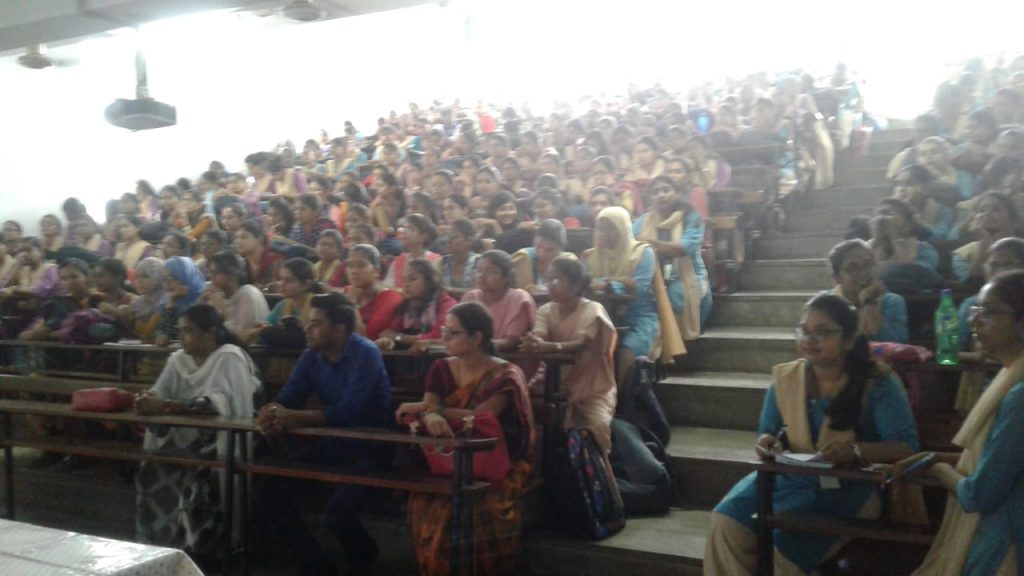
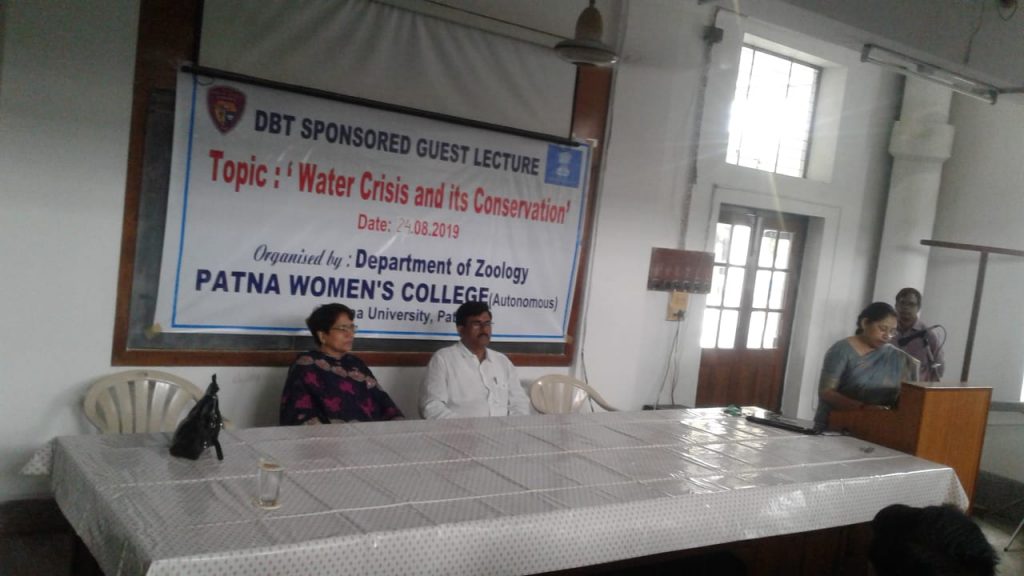
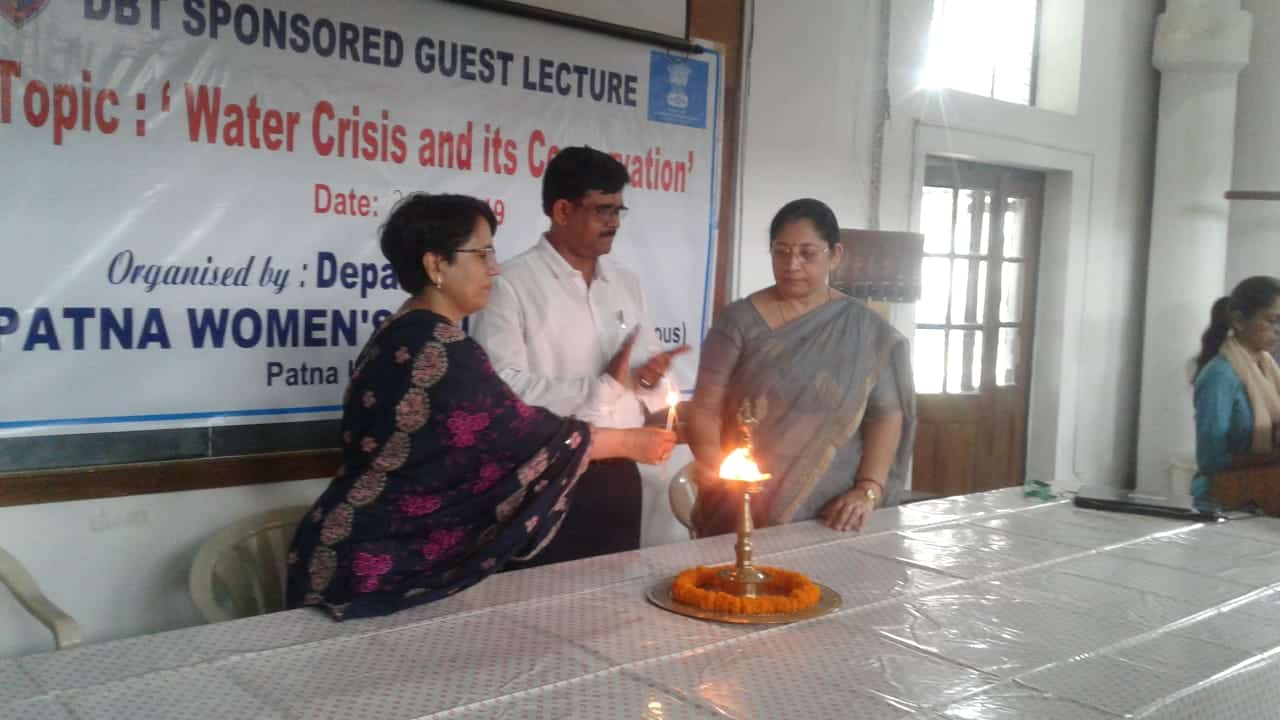
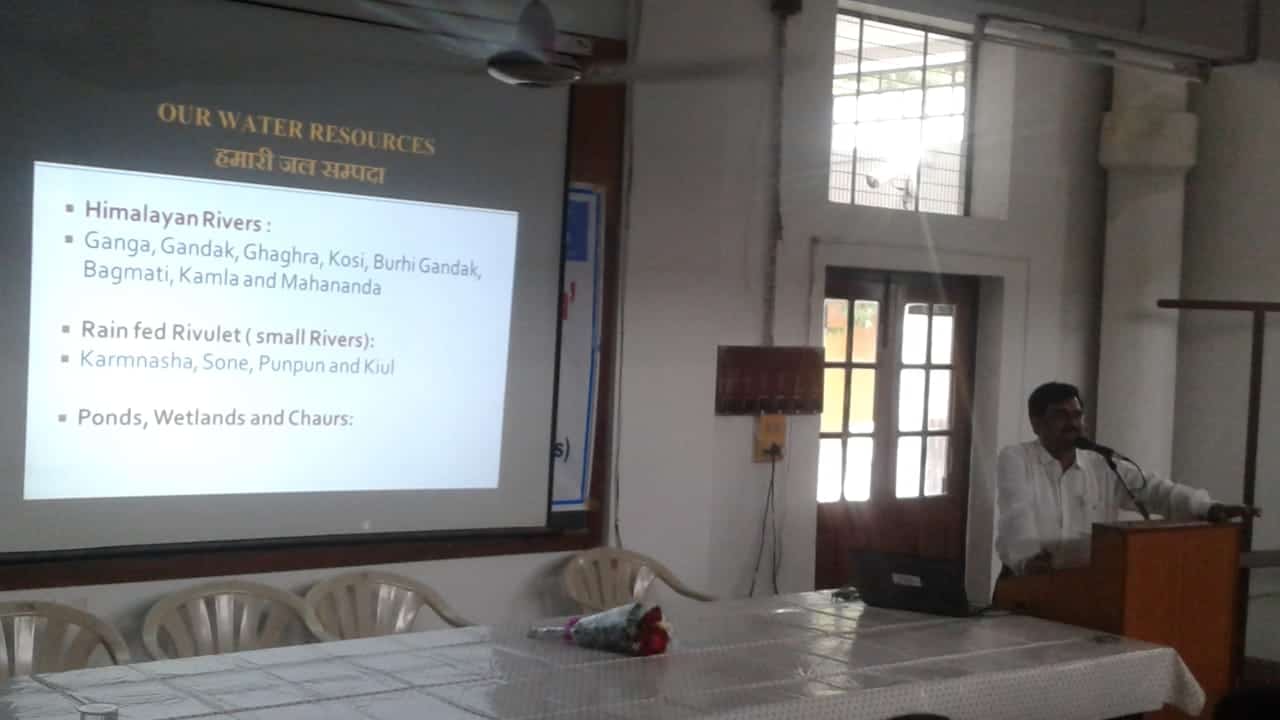
PWC organized a DBT sponsored Guest Lecture on the Topic: ‘Water Crisis and its Conservation’ on 24.08.2019. The Speaker was Dr Gopal Sharma, Dy Director, ZSI, Patna, Bihar and Jharkhand.
Students of Botany, Chemistry, Geography and Zoology attended the Lecture.

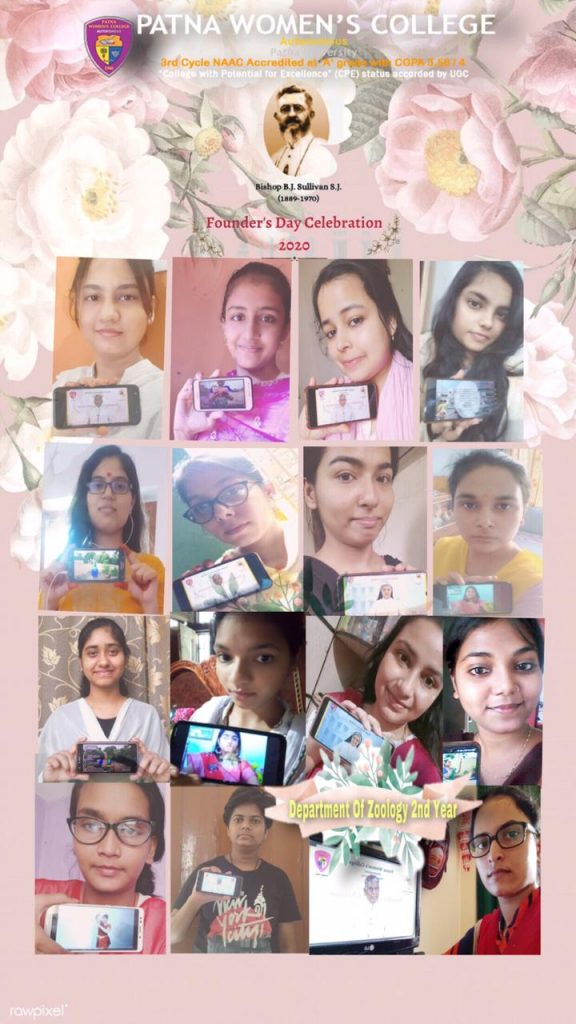
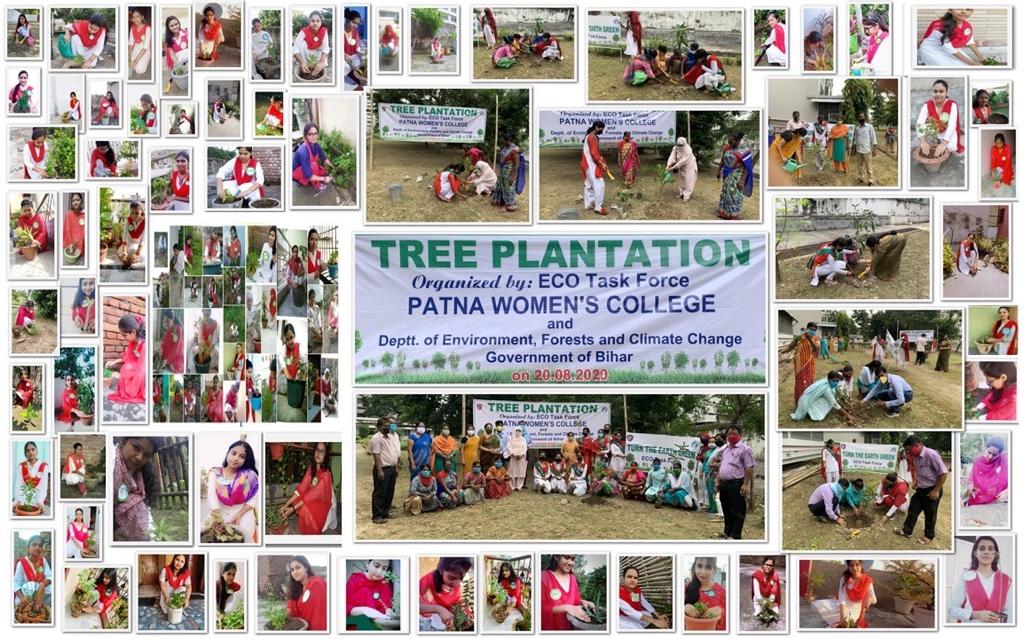
On the occasion of Founders Day of Patna Women’s College, ECO Task Force organised a Tree Plantation Programme in its campus. Saplings of Mango, Jamun, Litchi. Cashew, Chikoo, Lemon, Papaya, Jack fruit, Drumticks, Anar, Hershringar, Mentha etc. were planted by the teachers of Department of Zoology, PWC in the campus.The programme was organised by Dr. Shahla Yasmin, Vice President, ECO Task Force and Dean of Science faculty. The teachers present were Dr. Shobha Shrivastava, Dr. Sister Stuti AC, Dr. Sapna Kumari, Mr. Sumeet Ranjan and Mr. Rajiv Ranjan. Few ECO members and all the non-teaching staff members of Science Departments attended the Tree Plantation Programme.
ECO Task Force
Departmental Club of the Department of Zoology
Patna Women’s College
The ECO Task Force is an active environmental and social awareness club functioning under the Department of Zoology at Patna Women’s College. The club is committed to promoting environmental consciousness, biodiversity conservation, sustainable practices, and community participation among students. It serves as a dynamic platform where students develop ecological sensitivity, leadership qualities, scientific temperament, and social responsibility through various academic and outreach activities.
The club actively encourages students to understand the importance of environmental protection and sustainable living in the context of present-day ecological challenges. Through awareness programmes, field activities, workshops, campaigns, and collaborative initiatives, the ECO Task Force aims to create responsible citizens who contribute positively towards environmental conservation and societal well-being.
Vision
To nurture an environmentally conscious students committed to sustainability and ecological harmony.
Mission
The ECO Task Force of Patna Women’s College strives to instill environmental awareness and responsibility among students by promoting sustainable practices, conservation initiatives, and eco-friendly habits. Through active participation in campaigns, drives, workshops, and green innovations, the Task Force aims to create a culture of care for nature, reduce ecological footprints, and foster a sense of stewardship for the planet. It works to bridge knowledge with action, empowering students to become changemakers for a cleaner, greener, and healthier future.
Objectives
- To organize awareness campaigns, cleanliness drives, and green initiatives to promote environmental sustainability.
- To encourage students to adopt eco-friendly practices in daily life, reducing waste and conserving natural resources.
- To collaborate with academic departments, community groups, and environmental organizations for impactful action.
- To develop leadership and responsibility among students for protecting and preserving the environment.
Major Activities of the Club
The ECO Task Force regularly organizes and participates in activities such as:
- Tree plantation and campus greening drives
- Cleanliness and waste management campaigns
- Awareness rallies on environmental conservation
- Celebration of important environmental days such as World Environment Day, Earth Day, Wildlife Week, and Ozone Day
- Workshops, seminars, webinars, and guest lectures on ecological and environmental issues
- Nature walks, biodiversity surveys, and field visits
- Plastic-free campus initiatives and recycling programmes
- Community outreach and social awareness activities
- Poster making, quiz, debate, and slogan writing competitions on environmental themes
- Collaboration with NGOs and environmental organizations for sustainability programmes
Student Participation
The ECO Task Force encourages active student involvement across various academic programmes. Students are provided opportunities to participate in planning, organizing, and executing club activities, thereby enhancing their communication skills, teamwork, leadership abilities, and environmental ethics.
Learning Outcomes
Through participation in the ECO Task Force, students are expected to:
- Develop awareness regarding environmental and ecological issues.
- Understand the importance of biodiversity conservation and sustainable development.
- Practice eco-friendly habits and responsible citizenship.
- Enhance leadership, teamwork, and organizational skills.
- Build scientific aptitude and community engagement abilities.
- Contribute meaningfully towards environmental sustainability and social welfare.
Motto
“Protect Mother Earth”
Future Goals
The ECO Task Force aspires to strengthen environmental education and sustainability initiatives through innovative programmes, research-oriented activities, green campus practices, and community partnerships that contribute towards a cleaner, healthier, and sustainable future.
Credit Based Certificate Course on Vermibiotechnology (PWCCVBT)
Patna Women’s College (Autonomous), Patna University
The Department of Zoology, Patna Women’s College (Autonomous), offers a Credit Based Certificate Course in Vermibiotechnology (PWCCVBT) with the objective of promoting sustainable agricultural practices, environmental awareness, and skill-based learning among students. The course has been designed in alignment with the vision of the National Education Policy (NEP) to integrate academic knowledge with practical skills and entrepreneurship.
Vermibiotechnology is an emerging interdisciplinary field that utilizes earthworms and microorganisms for the conversion of biodegradable waste into nutrient-rich organic manure. The course focuses on the scientific principles of vermiculture, vermicomposting, vermifiltration, and sustainable organic farming practices. It also highlights the ecological and economic importance of earthworms in soil fertility enhancement, waste management, and environmental conservation.
The programme aims to provide hands-on training to students in vermiculture techniques, organic waste recycling, preparation of vermicompost and vermiwash, and sustainable agricultural applications. Through practical exposure, field visits, assignments, and project work, students gain scientific knowledge, technical competence, and entrepreneurial skills required for self-employment and eco-friendly initiatives.
The course encourages students to develop environmental responsibility and contributes towards sustainable development through scientific and community-oriented approaches.
The course aims to:
1. Develop scientific understanding of vermibiotechnology and sustainable organic farming.
2. Promote awareness regarding environmental conservation and biodegradable waste management.
3. Train students in vermiculture, vermicomposting, and vermifiltration techniques.
4. Enhance practical and entrepreneurial skills in organic farming and eco-friendly technologies.
5. Encourage the utilization of biological resources for sustainable agricultural development.
6. Provide hands-on experience through practical work, projects, and field visits.
7. Develop problem-solving and research-oriented aptitude among students.
8. Foster social responsibility towards environmental sustainability and green practices.
Programme Specific Outcomes (PSOs)
After successful completion of the course, students will be able to:
1. Understand the biology, ecology, and economic importance of earthworms.
2. Explain the principles and applications of vermibiotechnology.
3. Identify suitable species of earthworms used in vermiculture.
4. Prepare and maintain vermiculture and vermicomposting units scientifically.
5. Apply vermifiltration and vermiwash techniques for sustainable agriculture.
6. Evaluate the role of vermicompost in improving soil fertility and crop productivity.
7. Analyze the environmental and economic benefits of organic farming.
8. Develop entrepreneurial competence in vermicompost production and marketing.
9. Conduct basic projects and field-based studies related to vermibiotechnology.
|
Course Code |
Course Title |
Credits |
|
VBT-1 |
Vermibiotechnology – Module I |
2 Credits |
|
VBT-2 |
Vermibiotechnology – Module II |
2 Credits |
|
VBT-3 |
Vermibiotechnology Project/Module III |
2 Credits |
Total Credits: 6
Upon completion of the course, students will be able to:
CO1
Understand the importance of organic farming and sustainable agricultural practices.
CO2
Understand the applications and significance of vermibiotechnology.
CO3
Learn and apply techniques of vermifiltration and vermiculture.
Course Code: VBT-1 (2 Credits)
|
Unit |
Topics |
No. of Hours |
|
Unit I |
Introduction to vermibiotechnology; scope and significance; history and development of vermiculture; classification and biology of earthworms |
7 |
|
Unit II |
Morphology, anatomy, and physiology of earthworms; ecological importance of earthworms in soil ecosystems |
7 |
|
Unit III |
Species of earthworms used in vermiculture; life cycle, reproduction, feeding habits, and maintenance of earthworms |
8 |
|
Unit IV |
Vermiculture techniques; preparation and maintenance of vermibeds; raw materials for vermicomposting; factors affecting vermiculture |
8 |
Total Hours: 30
Course Code: VBT-2 (2 Credits)
|
Unit |
Topics |
No. of Hours |
|
Unit I |
Importance of organic farming in sustainable agriculture; earthworm activities; soil fertility and texture; soil aeration; water percolation; decomposition of moisture; role of earthworms in soil health and food production |
7 |
|
Unit II |
Fertilizers – synthetic and organic; advantages and disadvantages of fertilizers; potentials and constraints of vermiculture in India |
7 |
|
Unit III |
Application of vermibiotechnology; pests, parasites, and pathogens affecting earthworms; uses of earthworms in food and medicine – ayurvedic and Unani systems; recycling of food wastes in vermitechnology |
8 |
|
Unit IV |
Practicals – Vermifiltration, Vermiwash, Vermimeal for poultry and fish; marketing the products of vermiculture; quality control; market research; marketing techniques; awareness generation; packaging and transport; direct marketing; visits to relevant laboratories and field visits |
8 |
Total Hours: 30
Module III / Project Component (VBT-3)
Students will:
· Gain skills in planning a complete vermitechnology unit.
· Acquire hands-on experience in vermiculture.
· Develop presentation and assignment skills.
· Participate in internal assessment and project-based learning.
(Any one topic may be selected)
1. Impact of vermicompost and vermiwash as foliar spray on different plants and crops.
2. Analysis of nutrients like N, P, and K in vermicompost prepared from different types of organic wastes.
3. Bioremediation of heavy metals through vermicomposting and vermifiltration.
The course shall be conducted through:
· Classroom lectures
· Interactive discussions
· Practical demonstrations
· Laboratory training
· Field visits
· Project work and assignments
· Student presentations
|
Component |
Marks |
|
Course I – Theory |
60 |
|
Assignment |
40 |
|
Course II – Theory |
60 |
|
Practicals / Field Trip |
40 |
|
Course III – Project |
60 |
|
Viva-Voce |
40 |
Total Marks: 300
|
Marks |
Level of Performance |
Grade |
|
226 – 300 |
Outstanding |
A+ |
|
181 – 225 |
Excellent |
A |
|
151 – 180 |
Good |
B |
|
135 – 150 |
Fair |
C |
The course is conducted by experienced and qualified teachers and professionals from the fields of Vermibiotechnology, Zoology, Agriculture, and Environmental Science.
The course provides opportunities in:
· Organic farming and sustainable agriculture
· Vermicompost production units
· Waste management and recycling industries
· Environmental consultancy
· NGOs working in sustainable development
· Agricultural entrepreneurship
· Research and extension activities
· Self-employment initiatives
Conclusion
The Credit Based Certificate Course on Vermibiotechnology (PWCCVBT) offered by the Department of Zoology, Patna Women’s College (Autonomous), is a skill-oriented and environmentally significant programme that combines scientific learning with practical applications. The course equips students with knowledge and technical expertise in sustainable agriculture, waste management, and organic farming practices while promoting entrepreneurship and ecological responsibility. Through experiential learning and community-oriented approaches, the programme contributes towards sustainable development and green environmental practices.